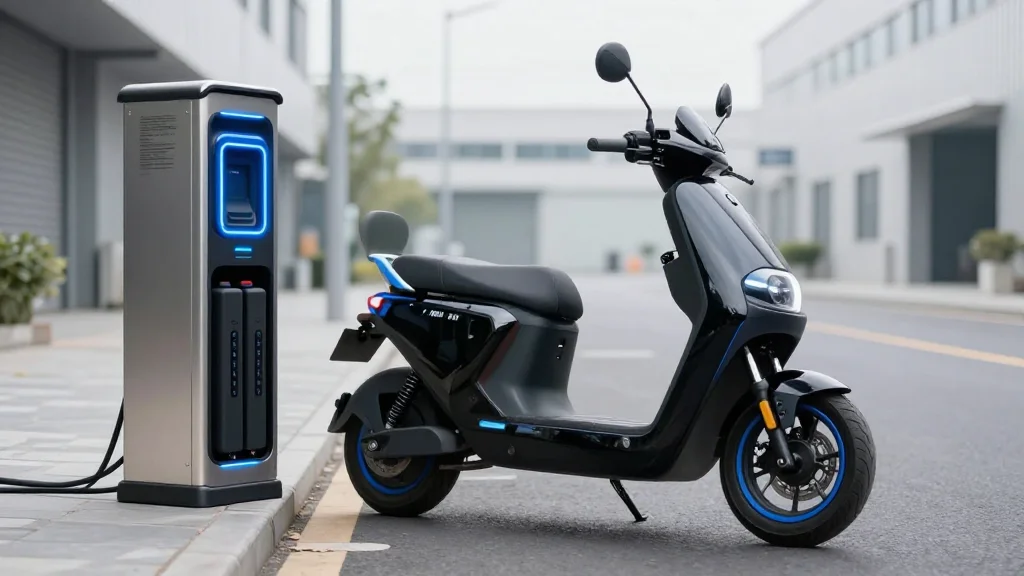
VinFast Adds 14 Distributors to Accelerate Philippine EV Scooter Launch

Why It Matters
VinFast’s distribution expansion illustrates a shift toward decentralized supply chains for electric two‑wheel vehicles in emerging markets. By embedding inventory within local dealer networks, the company reduces lead times and mitigates the risk of stockouts that have plagued earlier EV rollouts. The ambitious 30,000‑station swap network also signals a move away from plug‑in charging, addressing the fast‑turnover usage patterns of urban commuters and setting a template for other OEMs targeting dense, cash‑economy markets. The initiative could reshape logistics for Southeast Asian EV manufacturers, prompting rivals to adopt similar dealer‑centric models and battery‑swap solutions. If successful, VinFast’s approach may accelerate regional electrification, lower emissions, and stimulate ancillary industries such as modular battery‑cabinet production and digital ride‑hailing platforms.
Key Takeaways
- •VinFast adds 14 new motorcycle distributors, bringing total Philippine dealers to 19
- •Manufacturing hub in Vietnam produced over 400,000 e‑scooters in 2025 for the rollout
- •Goal of 30,000 battery‑swap stations, 1.5 times the density of existing fuel stations
- •Swap fee set at ~20 pesos ($0.36), free for driver‑partners through March 31 2029
- •Green SM Platform launches to integrate scooters into ride‑hailing and delivery services
Pulse Analysis
VinFast’s strategy reflects a broader industry trend of marrying localized distribution with scalable energy services. Traditional automotive supply chains rely on centralized depots and long lead times, a model that struggles in fragmented markets like the Philippines where road infrastructure and consumer purchasing power vary widely. By delegating inventory to 19 regional dealers, VinFast reduces the friction between production and point‑of‑sale, a critical advantage when launching a new technology that requires consumer confidence in availability and service.
The battery‑swap focus is equally strategic. Plug‑in charging demands significant dwell time and grid upgrades, both of which are costly in densely populated urban centers. Swapping stations, especially modular units that can be co‑located with existing retail spaces, offer a rapid, low‑capex solution that aligns with the high‑frequency usage patterns of two‑wheel commuters. The pricing—$0.36 per swap—positions the service as a cost‑effective alternative to gasoline, likely accelerating adoption among price‑sensitive riders.
Looking ahead, VinFast’s success will hinge on execution. The company must synchronize dealer inventory, swap‑station rollout, and the digital platform to avoid a fragmented user experience. Competitors may respond by forming similar partnerships or by investing in proprietary charging networks, potentially igniting a race to define the dominant after‑sales model for Southeast Asian e‑mobility. If VinFast can deliver on its promises, it will not only secure a foothold in the Philippines but also set a replicable blueprint for other emerging markets seeking rapid EV two‑wheel penetration.
VinFast Adds 14 Distributors to Accelerate Philippine EV Scooter Launch
Comments
Want to join the conversation?
Loading comments...