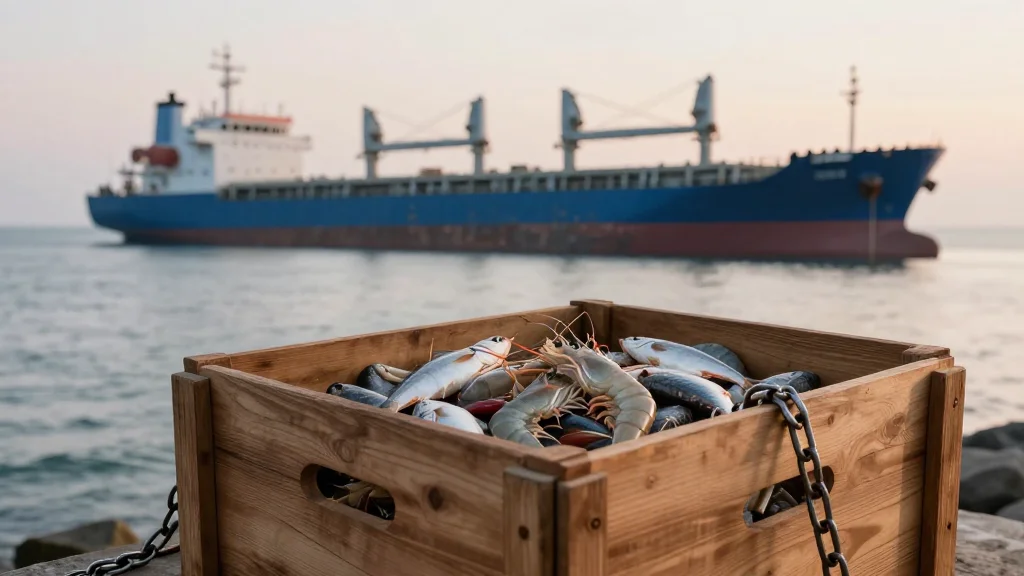
West Asia Conflict Hits India’s Seafood Exports to Gulf Nations
Why It Matters
The stoppage threatens revenue for Indian seafood exporters and could erode market share in the Gulf, prompting a strategic shift toward more resilient trade routes and diversified markets.
Key Takeaways
- •Exports to Gulf nations dropped 90% as shipping routes stalled
- •India's West Asia seafood market worth $240‑$300 million, 3‑4% of total
- •Freight costs surged due to longer routes, higher fuel and war‑risk premiums
- •Insurance premiums and spoilage risk force exporters to delay shipments
- •Alternative routes extend transit times, undermining fresh‑seafood supply chains
Pulse Analysis
The Red Sea‑Suez corridor has long been the lifeline for Indian seafood bound for the Gulf, offering the shortest transit to Europe and the United States. With the recent West Asia hostilities, vessels are either rerouted around the Cape of Good Hope or held in port, inflating shipping times by weeks. This logistical bottleneck hits a market that, while modest in share, commands premium prices for frozen shrimp and finfish, contributing roughly $278 million to India’s export earnings in FY25. The disruption illustrates how geopolitical flashpoints can quickly translate into supply‑chain shocks for perishable goods.
Beyond longer voyages, the cost structure for exporters has ballooned. Freight rates have risen sharply as carriers seek alternative lanes, while fuel price spikes add another layer of expense. War‑risk surcharges and insurance premiums have surged, sometimes exceeding 30% of cargo value, eroding profit margins. For a product with a limited shelf life, the extended turnaround amplifies spoilage risk, prompting many firms to hold inventory or cancel orders altogether. These pressures are forcing exporters to reassess pricing strategies and explore hedging mechanisms to mitigate financial exposure.
The broader implication for India’s seafood sector is a push toward diversification. Companies are accelerating outreach to markets in Southeast Asia, Latin America, and the EU, where trade agreements are already bearing fruit. Domestic policy makers may also consider incentives for cold‑chain infrastructure and subsidies for alternative shipping routes to cushion future disruptions. By strengthening resilience now, India can safeguard its position as a leading global seafood supplier, even as geopolitical uncertainties persist.
West Asia conflict hits India’s seafood exports to Gulf nations
Comments
Want to join the conversation?
Loading comments...