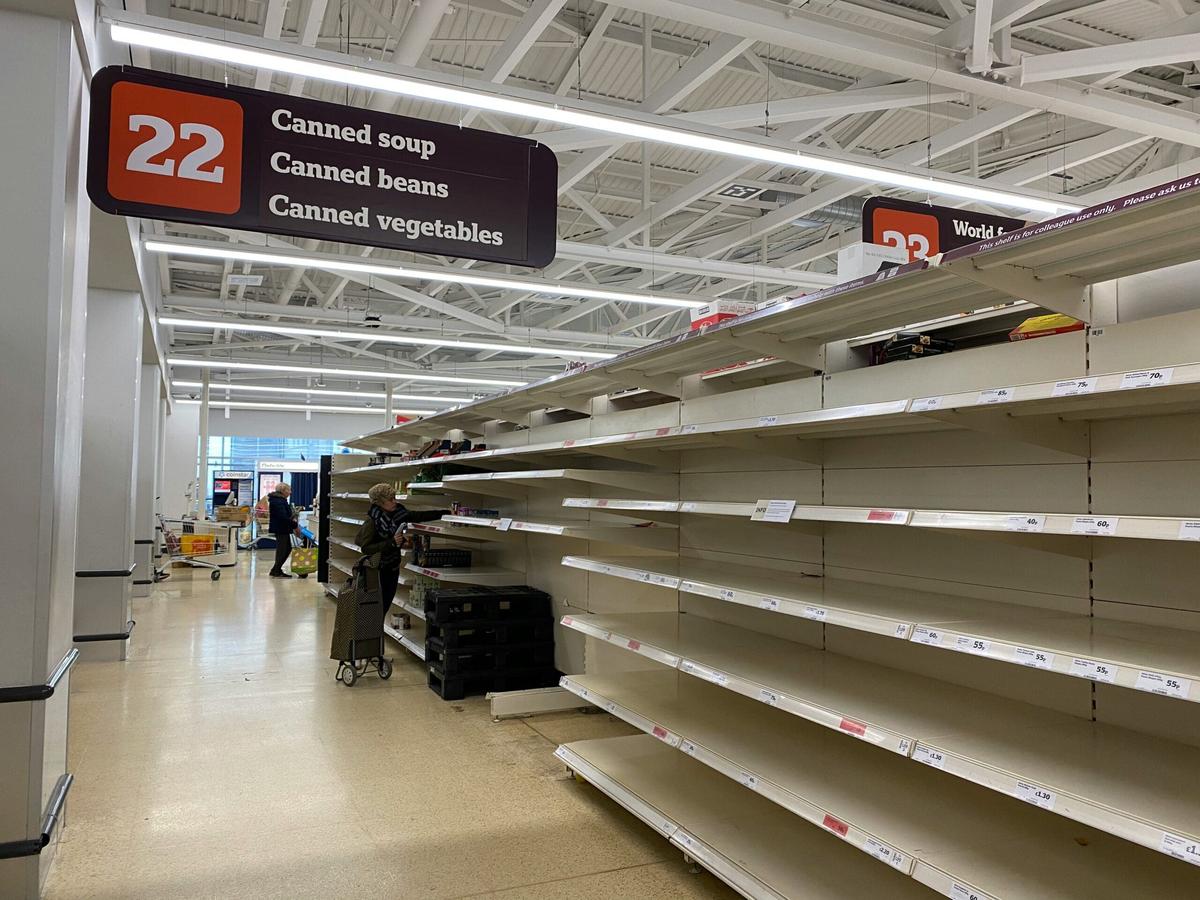
Why Good Supply Chains Still Suffer From Recurring Stockouts
Why It Matters
Persistent stockouts erode service levels, inflate cost‑to‑serve, and undermine supply‑chain resilience, making them a strategic risk for any consumer‑focused business.
Key Takeaways
- •Stockouts stem from compounded small failures across planning, sourcing, transport, and warehousing
- •Lead‑time variability, not average lead time, drives inventory mismatches
- •Out‑of‑date safety‑stock settings amplify disruptions despite adequate total inventory
- •Silos let functional teams improve locally while overall service remains fragile
- •Chronic expediting masks deeper design flaws and inflates cost‑to‑serve
Pulse Analysis
Supply‑chain leaders often treat stockouts as a forecasting problem, but the real culprit is systemic fragility. When demand signals lag, supplier lead times drift, and transportation performance slips, each deviation adds a layer of uncertainty. Companies that rely on average lead‑time data instead of variance‑aware models routinely miscalculate safety‑stock, leaving inventory either stranded in the wrong node or exposed at critical points. Updating inventory policies in lockstep with real‑time network conditions is essential to prevent the cascade that turns modest forecast errors into full‑blown outages.
A deeper look reveals that supplier reliability and transportation execution are hidden accelerants of stockouts. Monthly on‑time metrics can conceal growing volatility on specific SKUs, while tight appointment windows, drayage delays, and yard congestion turn a perfectly timed shipment into unusable stock. When warehouses receive irregular inbound flows, put‑away and replenishment processes falter, further widening the gap between recorded and available inventory. Addressing these issues requires granular performance dashboards that surface lane‑level lead‑time variance and real‑time dock‑door availability, enabling proactive adjustments before a shortage becomes visible to the customer.
Breaking functional silos is the final piece of the puzzle. Planning, procurement, logistics, and warehousing must share a unified service‑reliability KPI rather than isolated cost or compliance targets. Integrated visibility platforms can synchronize demand, supply, and execution data, allowing the organization to detect early signs of drift—such as rising expediting rates—and intervene with network‑wide solutions instead of ad‑hoc fixes. By treating recurring stockouts as a structural signal rather than an isolated incident, firms can redesign inventory placement, tighten supplier contracts, and build a more resilient, cost‑effective supply chain that consistently meets service expectations.
Why Good Supply Chains Still Suffer from Recurring Stockouts
Comments
Want to join the conversation?
Loading comments...