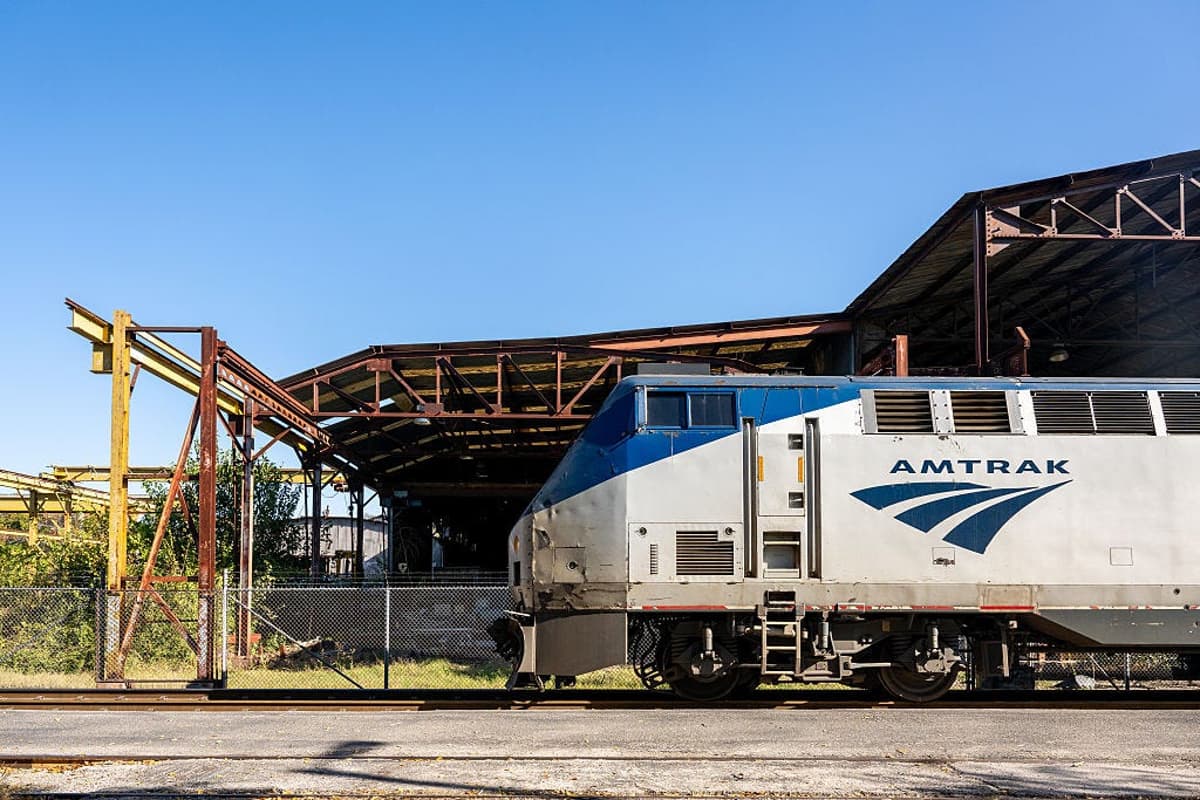
Amtrak Is Trying to Attract Riders by Mimicking Car Commercials
Companies Mentioned
Why It Matters
By shifting consumer perception, Amtrak seeks to capture a larger share of intercity travel, challenging the entrenched car‑first mindset and diversifying the U.S. transportation mix.
Key Takeaways
- •Amtrak's ads mimic luxury car commercials to boost rail appeal
- •2025 ridership hit 34.4 million trips, a record high
- •$36 million 2025 ad spend is modest vs airlines and automakers
- •Holds 80% market share NYC‑DC, 65% NYC‑Boston rail trips
- •Targets 66 million trips by 2040, funded by $26.7 billion
Pulse Analysis
Amtrak’s latest marketing pivot leans heavily on the visual language of high‑end automotive ads, swapping sleek leather seats and revving engines for the sleek silhouette of its next‑generation Acela train. By echoing the aspirational tone of luxury‑car spots, the railroad hopes to reframe train travel as a status‑driven, time‑saving choice rather than a fallback option. Chief commercial officer Eliot Hamlisch says the "Retrain Travel" campaign is designed to cut through the noise of traditional transport advertising, leveraging a modest $36 million budget to punch above its weight against airline and auto industry spend.
The strategy arrives amid a surge in rail usage: Amtrak logged 34.4 million trips in 2025, the highest figure on record, and is backed by $26.7 billion in federal funding earmarked for track, station, and rolling‑stock upgrades through 2026. On the Northeast Corridor, the carrier commands an 80% share of New York‑Washington journeys and 65% of New York‑Boston trips, underscoring the potency of targeted messaging in high‑density markets. Compared with the multi‑billion‑dollar advertising warrooms of airlines and automakers, Amtrak’s lean spend highlights a focus on perception‑shifting rather than sheer volume.
Looking ahead, Amtrak faces a dual challenge: extending its competitive edge beyond the Northeast while improving reliability on longer routes. The goal of 66 million annual trips by 2040 hinges on delivering consistent on‑time performance and expanding service frequency, especially in the West where market share remains modest. Success would not only diversify America’s intercity travel portfolio but also reduce road congestion and emissions, positioning rail as a cornerstone of a more sustainable transportation ecosystem.
Amtrak Is Trying to Attract Riders by Mimicking Car Commercials
Comments
Want to join the conversation?
Loading comments...