BNSF Wins Local Approval for New $4B California Rail Intermodal Project
Companies Mentioned
Why It Matters
The hub could dramatically cut highway congestion and emissions while bolstering Southern California’s supply‑chain capacity, positioning BNSF as a key player in a reshaped freight landscape.
Key Takeaways
- •Barstow City Council approves BNSF's $4 billion Barstow International Gateway.
- •Project will handle 60 trains on 4,500 acres, shifting freight off highways.
- •BNSF expects to cut 205 M truck miles by 2028, 312 M by 2048.
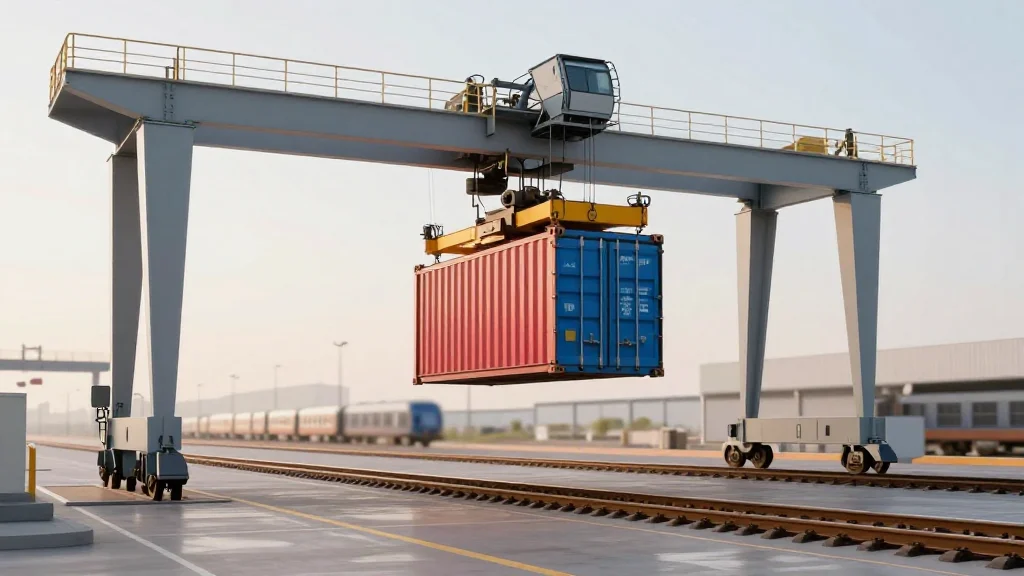
- •Zero‑emission gantry cranes, forklifts and Tier 4 locomotives planned for the hub.
- •Opponents cite pollution, infrastructure strain, and uncertain empty‑container flows.
Pulse Analysis
The Barstow International Gateway (BIG) represents BNSF’s most ambitious private investment in U.S. intermodal infrastructure. Spanning 4,500 acres east of Los Angeles, the hub will accommodate up to 60 daily trains, creating a direct rail conduit from the LA‑Long Beach ports to the national network. By moving freight off congested freeways, BIG promises to shave hundreds of millions of truck miles, translating into lower fuel consumption, reduced road wear, and measurable greenhouse‑gas cuts—an increasingly vital metric as California tightens its emissions standards.
Beyond the logistical upside, BIG’s technology stack underscores a shift toward cleaner rail operations. BNSF plans to deploy zero‑emission rail‑mounted gantry cranes, hybrid rubber‑tired gantries, electric forklifts, and plug‑in refrigerated units, while replacing local diesel switchers with Tier 4 engines. These investments aim to mitigate the environmental objections that have long dogged large‑scale rail projects in the state, positioning the hub as a showcase for sustainable freight handling. However, critics warn that increased rail activity could still elevate local air pollutants and strain existing road and utility infrastructure, especially if the anticipated flow of empty containers fails to materialize.
The approval arrives at a pivotal moment for the U.S. rail sector, as regulators scrutinize the $85 billion Union Pacific‑Norfolk Southern merger that would create the nation’s first all‑freight transcontinental railroad. BIG could serve as a strategic asset for BNSF, offering customers faster, more reliable inland access and reinforcing the competitive dynamics among Class I carriers. If the hub delivers on its promised capacity and emissions benefits, it may set a new benchmark for private‑funded intermodal development, influencing future investments across the country’s freight corridors.
BNSF wins local approval for new $4B California rail intermodal project
Comments
Want to join the conversation?
Loading comments...