Delta Has Trained Its Passengers to Pay Premium Prices. Here’s How It Plans to Get Even More From Them
Why It Matters
Delta’s shift from ticket‑price competition to premium and ancillary revenue reshapes airline profitability and forces rivals to rethink their own revenue mix.
Key Takeaways
- •Delta earns 20% more revenue per seat than U.S. rivals.
- •Premium revenue grew 14% YoY, nearly matching main‑cabin growth.
- •Engine‑maintenance unit targets $1 billion this year, high‑margin.
- •Diversified revenue rose to 62% of total, up from 57%.
- •New partnerships (Amazon, Uber, Starbucks) aim to retail on‑board.
Pulse Analysis
Delta’s premium‑first strategy reflects a broader industry move away from commoditized ticket pricing toward experience‑driven revenue. By charging higher fares for first‑class and Delta One seats, the carrier now extracts roughly one‑fifth more revenue per seat than United or American. This premium premiumization is bolstered by a loyalty ecosystem—120 million SkyMiles members—that locks in high‑spending travelers and fuels ancillary sales, from upgraded meals to exclusive lounge access. The result is a profit margin that outpaces traditional carriers and sets a new benchmark for U.S. airlines.
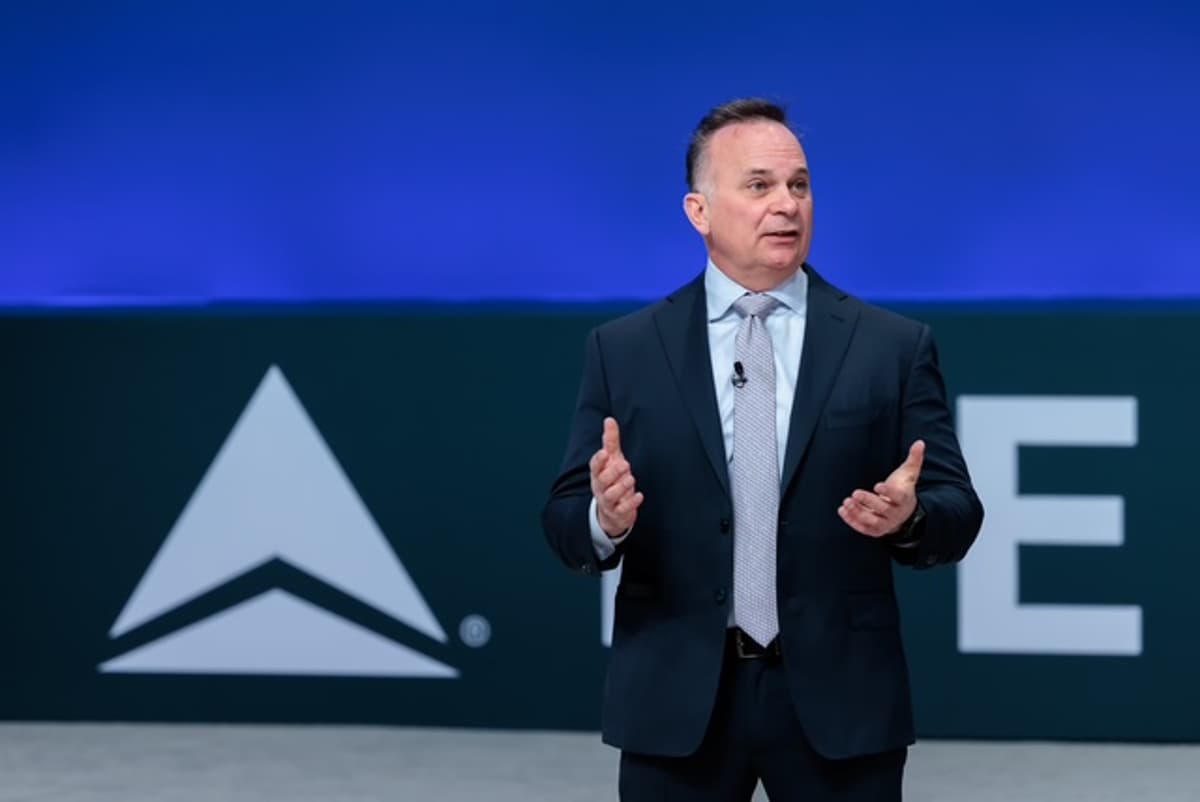
Joe Esposito, Delta’s chief commercial officer, is pushing the model further. The airline is testing a domestic aircraft with 44 first‑class seats—almost double the industry average—and revamping in‑flight catering to a gourmet level. Simultaneously, Delta is turning its non‑flight assets into growth engines: its TechOps division is projected to hit $1 billion in revenue this year, while partnerships with Amazon, Uber, Starbucks and Paramount create on‑board retail opportunities and cross‑selling channels. These initiatives diversify earnings, pushing non‑ticket revenue from 57% to 62% of total in just two years.
The strategy carries both opportunity and risk. While premium‑focused growth drives record profitability, it can alienate price‑sensitive travelers who still represent roughly half of Delta’s revenue. Maintaining free Wi‑Fi, video screens and low‑cost fare options is essential to keep the broader market funnel feeding the premium tier. If competitors replicate Delta’s retail‑centric, high‑margin playbook, the airline’s first‑mover advantage may erode, but its early investments in technology, partnerships and ancillary services give it a defensible lead in the evolving landscape of air travel economics.
Delta has trained its passengers to pay premium prices. Here’s how it plans to get even more from them
Comments
Want to join the conversation?
Loading comments...