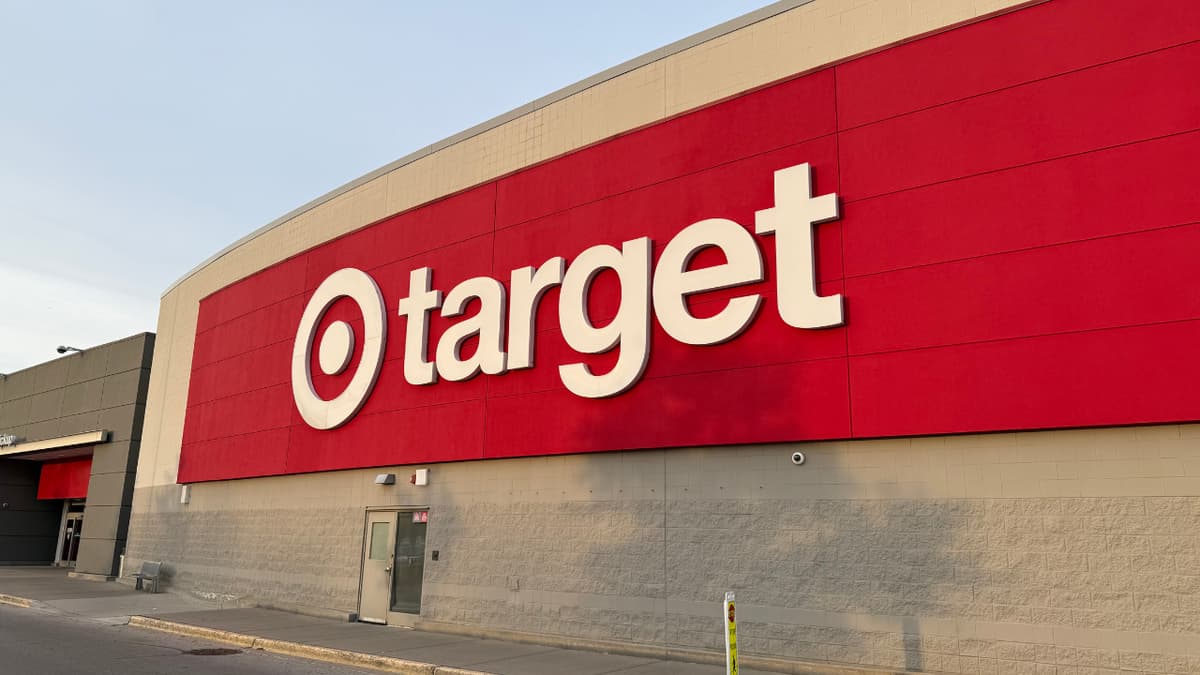
Target’s Focus Is on the Supply Chain
Companies Mentioned
Why It Matters
Target’s supply‑chain overhaul is critical to improving in‑stock rates, reducing markdowns, and delivering faster omnichannel service, which are essential for its broader turnaround and competitive positioning.
Key Takeaways
- •England joins Target from Walmart after two years as senior VP
- •Target allocated $6 billion to upgrade supply‑chain and store operations
- •New Houston Receive Center adds $265 million capacity for inventory flexibility
- •Improved in‑stock rates and faster same‑day delivery are key performance targets
Pulse Analysis
Target’s supply‑chain woes have become a headline after the pandemic, with forecasting errors and inventory bottlenecks eroding margins. Competitors such as Walmart and Amazon have accelerated automation and real‑time inventory visibility, raising shopper expectations for rapid, omnichannel fulfillment. By recruiting Jeff England—who spent more than two decades steering Walmart’s logistics empire—Target signals a willingness to import proven operational playbooks rather than rely solely on internal talent. England’s track record in warehouse automation, AI‑driven replenishment, and large‑scale distribution networks positions him to address the systemic gaps that have limited Target’s in‑stock performance.
England’s Walmart tenure included leading the rollout of advanced robotics, cross‑docking efficiencies, and data‑centric inventory controls that cut lead times and lowered out‑of‑stock incidents. Translating those capabilities to Target’s nearly 2,000 stores could sharpen same‑day delivery, improve inventory visibility across brick‑and‑mortar and e‑commerce channels, and reduce costly markdowns. The retailer’s recent $265 million Receive Center in Houston expands its buffer stock and provides a flexible hub for rapid redistribution, a critical asset for any automation agenda. Coupled with the broader $6 billion capital plan, England’s expertise may accelerate the integration of AI‑driven demand forecasting and automated fulfillment pathways.
The real test will be execution over the next 12‑18 months. If England can convert Target’s existing technology investments into measurable gains—higher in‑stock percentages, lower markdowns, and faster delivery—this appointment could become a defining moment in the company’s turnaround strategy. Conversely, cultural resistance and legacy systems could blunt the impact. Investors and analysts will be watching key metrics such as inventory turn, same‑day order fulfillment rates, and supply‑chain cost per unit to gauge whether the strategic shift delivers the promised competitive advantage.
Target’s focus is on the supply chain
Comments
Want to join the conversation?
Loading comments...