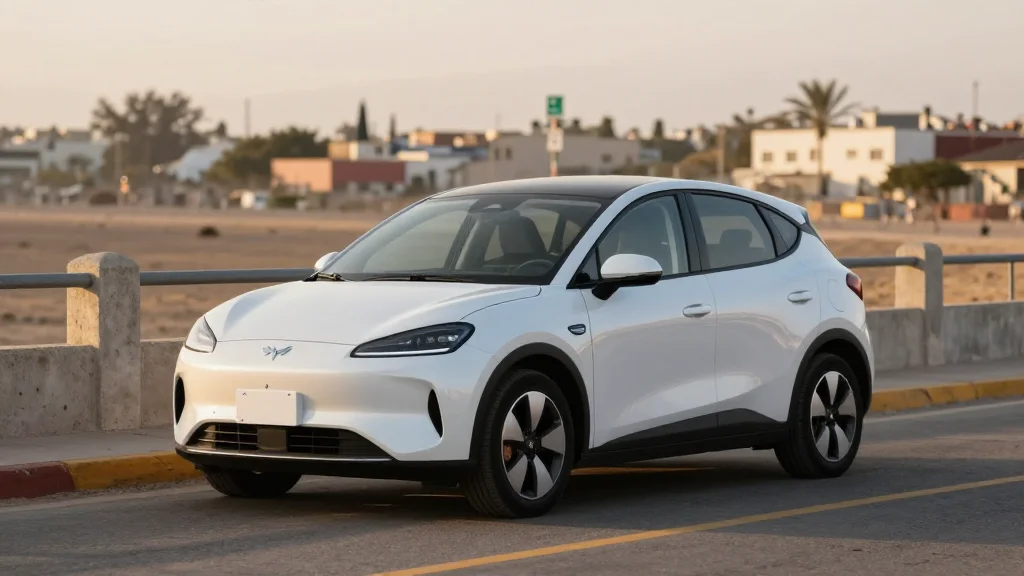
The U.S. Wants to Ban China’s High-Tech Cars, but They’re Already Here in El Paso
Companies Mentioned
Why It Matters
The situation exposes a regulatory gap that lets U.S. buyers access prohibited Chinese cars, threatening domestic manufacturers and prompting a reassessment of trade and safety policies.
Key Takeaways
- •Geely EX2 priced around $20,000 sold in Ciudad Juárez
- •BYD hybrid pickup and Great Wall SUVs also on Mexican strip
- •U.S. auto sector valued at $1.3 trillion faces cheap Chinese competition
- •Cross‑border shoppers can acquire Chinese cars despite U.S. ban efforts
- •Dealers claim Chinese models could “destroy” U.S. market if allowed
Pulse Analysis
The United States has signaled a hardening stance toward Chinese‑origin vehicles, proposing legislation that would effectively bar high‑tech models from entering the domestic market. The move reflects broader geopolitical friction, concerns over intellectual‑property theft, and a desire to protect a $1.3 trillion automotive industry. Yet the ban targets formal imports, leaving a loophole for vehicles that cross the border informally. In the border city of Ciudad Juárez, Mexican dealers are already showcasing Geely, BYD, and Great Wall models that combine electric powertrains with price points far below comparable U.S. offerings. This reality tests the practical reach of any U.S. prohibition.
Price is the primary driver of cross‑border demand. The Geely EX2, a compact EV listed at roughly $20,000, undercuts the entry‑level Tesla Model 3 by several thousand dollars, while the Emgrand sedan starts near $17,000. For American shoppers living in El Paso, a short drive to Juárez provides access to these bargains without navigating tariffs or compliance paperwork. Local dealers report a surge in inquiries from U.S. residents, especially younger buyers attracted to the blend of technology and affordability. Traditional U.S. dealerships, meanwhile, struggle to match these margins, prompting concerns about eroding market share.
The spillover effect could reshape industry dynamics beyond the border. If Chinese manufacturers gain a foothold among U.S. consumers, they may pressure American automakers to accelerate cost reductions, invest more heavily in electric platforms, or reconsider pricing strategies. Policymakers will also need to address enforcement challenges, such as customs inspections and the legal status of vehicles imported for personal use. Moreover, the situation highlights the growing interdependence of North American automotive supply chains, where a ban in one jurisdiction may be circumvented by neighboring markets. Stakeholders should monitor consumer sentiment and regulatory responses as this cross‑border experiment unfolds.
The U.S. Wants to Ban China’s High-Tech Cars, but They’re Already Here in El Paso
Comments
Want to join the conversation?
Loading comments...