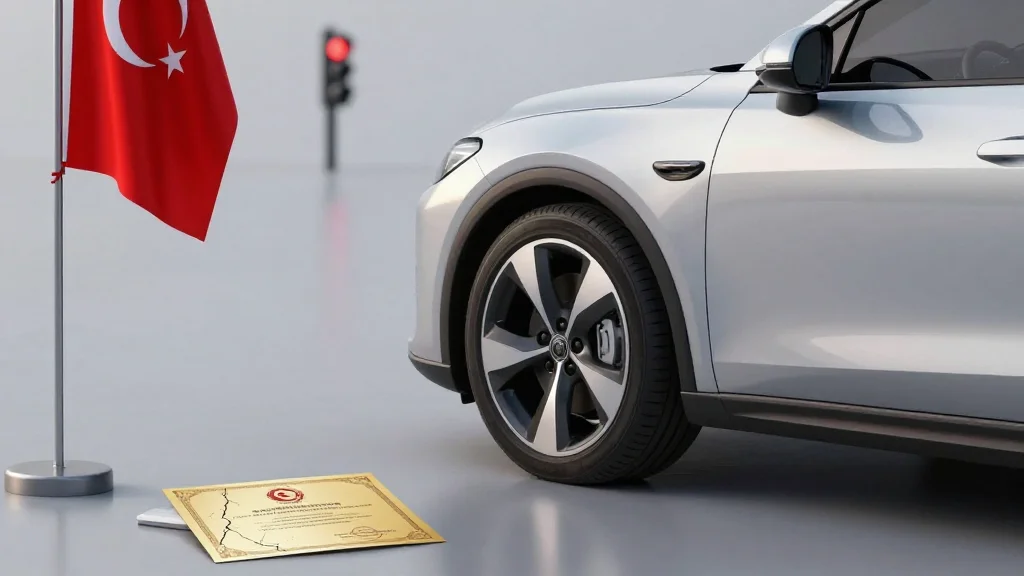
Turkey Suspends BYD Tax Break, Warns of Repayment Risk – Report
Companies Mentioned
Why It Matters
The decision signals Turkey’s stricter enforcement of investment commitments, protecting fiscal incentives and signaling to other foreign investors that benefits are contingent on delivery. It also highlights the challenges Chinese EV firms face in expanding beyond China’s domestic market.
Key Takeaways
- •Turkey suspended BYD's import tax break starting 2026
- •BYD's sales fell from 3,866 in Jan to 152 in May
- •$1 bn investment and 5,000 jobs delayed; factory not started
- •Incentives may be reclaimed if BYD fails to meet commitments
- •BYD prioritizes Hungary plant, leaving Turkey project on hold
Pulse Analysis
Turkey’s ambition to become a hub for electric‑vehicle production has relied on generous fiscal incentives to attract foreign automakers. In July 2024, the government offered BYD a tax exemption and waived a requirement for 20 service centers in exchange for a $1 bn commitment to build a 150,000‑unit annual capacity plant in Manisa, promising 5,000 jobs and a gateway to the European market. The policy reflected Ankara’s broader strategy to leverage its customs union with the EU, positioning the country as a low‑cost manufacturing base for EVs destined for Europe.
However, BYD’s momentum in Turkey has stalled. Sales dropped dramatically, and construction of the Manisa facility has not begun, prompting the Industry and Technology Ministry to suspend the tax break at the start of 2026. The ministry warned that the incentives could be clawed back if the investment is not realized, a rare move that underscores the government’s growing impatience with delayed projects. BYD’s executive vice‑president Stella Li confirmed that the company’s priority is its Hungary plant, slated for a fourth‑quarter 2026 launch, leaving the Turkish project on indefinite hold. The sales slump—from 3,866 units in January to just 152 in May—illustrates the market’s tepid response without the promised local production.
The broader implication for foreign investors is clear: Turkey will enforce stricter compliance on incentive‑linked projects, especially in strategic sectors like automotive. While other Chinese manufacturers such as Chery are also in talks, the lack of progress mirrors a regional shift where automakers prioritize sites with clearer timelines and stronger supply‑chain ecosystems. For Turkey, reclaiming the tax benefits protects public finances but may also deter future entrants if perceived as punitive. The outcome will shape how the country balances incentive attraction with accountability, influencing the pace of its EV industry development and its role in Europe’s green‑mobility transition.
Turkey suspends BYD tax break, warns of repayment risk – report
Comments
Want to join the conversation?
Loading comments...