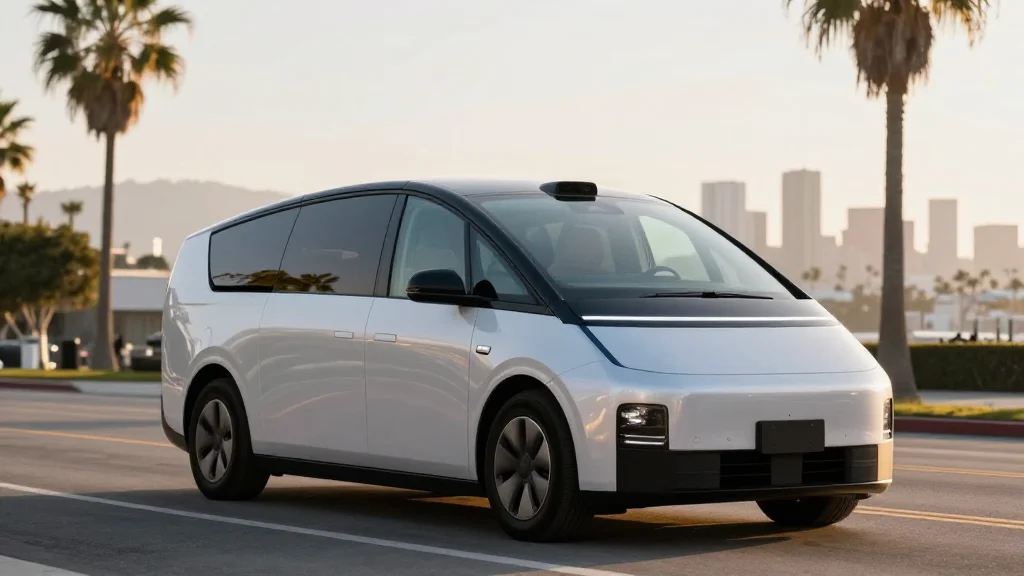
Uber and Volkswagen Launch On‑road Testing of Autonomous ID. Buzz Vans in Los Angeles

Companies Mentioned
Why It Matters
The LA pilot is the first large‑scale, on‑road test of a purpose‑built electric van for robotaxi service in the United States, signaling that autonomous ride‑hailing is moving from pilot projects to commercial deployment. Success could accelerate regulatory frameworks, encourage other OEMs to develop AV‑ready versions of existing models, and pressure competitors like Waymo to expand capacity. For Uber, the partnership diversifies its AV supply chain, reducing reliance on any single technology partner and positioning the company to meet growing rider demand for shared, low‑cost mobility. Beyond the immediate market, the rollout showcases how legacy automakers can leverage iconic designs—such as Volkswagen’s ID. Buzz—to create brand‑recognizable autonomous fleets, potentially reshaping consumer perception of driverless vehicles from futuristic prototypes to everyday transport options.
Key Takeaways
- •Uber and MOIA America begin on‑road testing of ~10 driver‑assisted ID. Buzz vans in Los Angeles.
- •Initial fleet will expand to >100 vehicles during validation, with plans for thousands over the next decade.
- •Rider‑facing service with safety drivers targeted for late 2026; fully driverless rides expected in 2027.
- •Partnership aims to secure California DMV and CPUC permits, a prerequisite for commercial robotaxi operations.
- •Uber simultaneously invests $300 million in Rivian and operates Waymo rides, underscoring a multi‑partner AV strategy.
Pulse Analysis
Uber’s decision to pair Volkswagen’s iconic ID. Buzz platform with its own global ride‑hailing network reflects a pragmatic shift from building proprietary hardware to curating a portfolio of ready‑made AV solutions. This approach reduces development risk and accelerates time‑to‑market, but it also creates a dependency on OEMs for vehicle supply and software updates. Volkswagen, for its part, gains a direct conduit to millions of Uber riders, turning a niche autonomous prototype into a mass‑market product.
Regulatory approval will be the decisive factor. California’s stringent testing regime has slowed other AV pilots, yet Uber’s early engagement with the DMV and CPUC suggests a coordinated lobbying effort. If the companies secure permits, the LA rollout could set a de‑facto standard for how autonomous vans are certified, potentially streamlining approvals in other states. Competitors will need to match this regulatory playbook or risk falling behind in the race for the first commercially viable robotaxi fleet.
Long‑term, the partnership could reshape the economics of shared mobility. By using a vehicle that seats up to seven, Uber can increase per‑trip revenue while offering lower fares through shared rides, addressing the twin challenges of congestion and profitability that have plagued autonomous services. If the pilot proves safe and cost‑effective, it may trigger a cascade of similar collaborations between ride‑hailing platforms and legacy automakers, accelerating the industry’s transition from experimental pilots to everyday autonomous transport.
Uber and Volkswagen launch on‑road testing of autonomous ID. Buzz vans in Los Angeles
Comments
Want to join the conversation?
Loading comments...