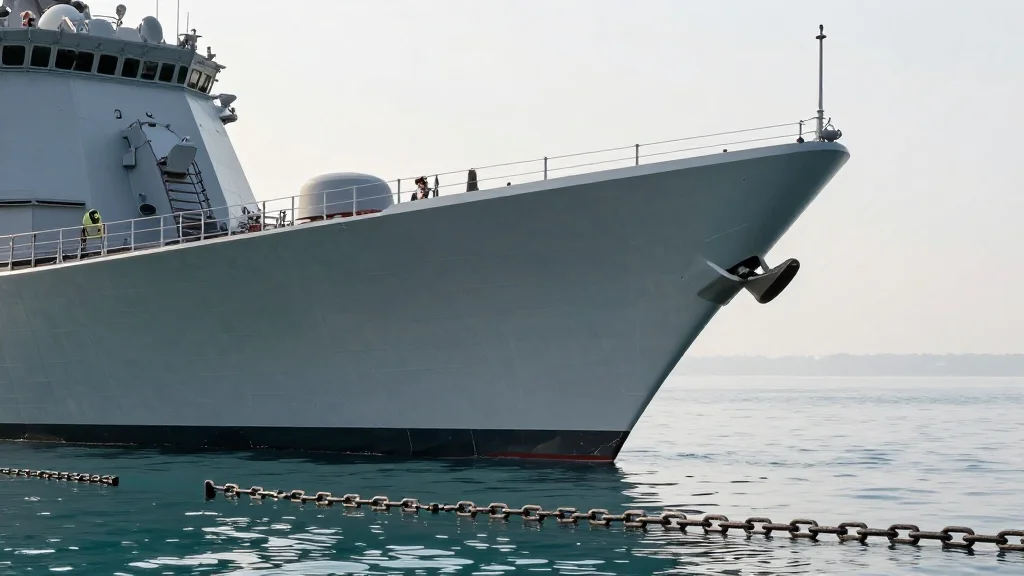
U.S. Navy Enforces Blockade of Iranian Ports, Raising Oil Prices and Threatening Gulf Shipping

Why It Matters
The blockade directly targets one of the world’s most critical maritime chokepoints, threatening to disrupt the flow of roughly 20% of global oil and a significant share of fertilizer shipments. A sustained reduction in traffic could push energy prices higher, inflating transportation costs across all sectors and exacerbating food‑price volatility in import‑dependent economies. Moreover, the move signals a shift toward economic warfare in the Middle East, raising the risk of broader naval confrontations that could further destabilize global supply chains. For the transportation industry, the immediate impact is twofold: shipping firms must reroute vessels around the Arabian Sea, incurring longer transit times and higher fuel consumption, while airlines and over‑land freight operators face rising jet fuel and diesel costs. The uncertainty also hampers investment decisions in port infrastructure and logistics services throughout the region, as companies weigh the risk of operating in a theater where military actions can abruptly alter trade routes.
Key Takeaways
- •U.S. Central Command began a naval blockade of all Iranian ports and coastal areas at 10 a.m. EDT Monday.
- •Iran’s Revolutionary Guard warned that “NO PORT in the region will be safe” and pledged retaliation.
- •Commercial traffic through the Strait of Hormuz fell to ~40 ships per day, down from 100‑135 pre‑war.
- •U.S. crude rose 8% to $104.24/barrel; Brent crude jumped 7% to $102.29/barrel.
- •British Prime Minister Keir Starmer said the UK will not join the U.S. blockade.
Pulse Analysis
The decision to impose a maritime blockade marks a rare use of naval power to coerce an adversary’s economy in the 21st‑century Middle East. Historically, blockades have been most effective when the target lacks alternative trade routes; Iran, however, can still channel oil through clandestine “dark” transits and has already begun charging fees for limited passage. This duality weakens the blockade’s leverage while simultaneously inflating global oil prices, a trade‑off that could erode domestic political support for the policy in Washington.
From a logistics perspective, the abrupt contraction of Strait traffic forces carriers to divert around the Cape of Good Hope or the longer Arabian Sea corridor, adding 10‑15 days to voyages and increasing fuel burn by an estimated 15‑20%. The cost shock will cascade to end‑users, raising freight rates and compressing margins for shippers already grappling with post‑pandemic supply‑chain volatility. In the longer term, sustained high freight costs could accelerate a shift toward near‑shoring and diversification of supply routes, reshaping global trade patterns.
Strategically, the blockade tests the limits of U.S. naval endurance and the willingness of allies to share the burden. While the United Kingdom has signaled a reluctance to participate, other regional partners may be compelled to provide mine‑clearing or escort services, exposing them to escalation risks. If Iran escalates with asymmetric attacks on commercial vessels or expands its control over the Bab el‑Mandeb Strait, the conflict could widen, threatening Red Sea shipping and further inflating global energy and food prices. The coming days will reveal whether the blockade can compel Tehran to negotiate or whether it will simply deepen the economic shockwaves already reverberating through the transportation sector.
U.S. Navy Enforces Blockade of Iranian Ports, Raising Oil Prices and Threatening Gulf Shipping
Comments
Want to join the conversation?
Loading comments...