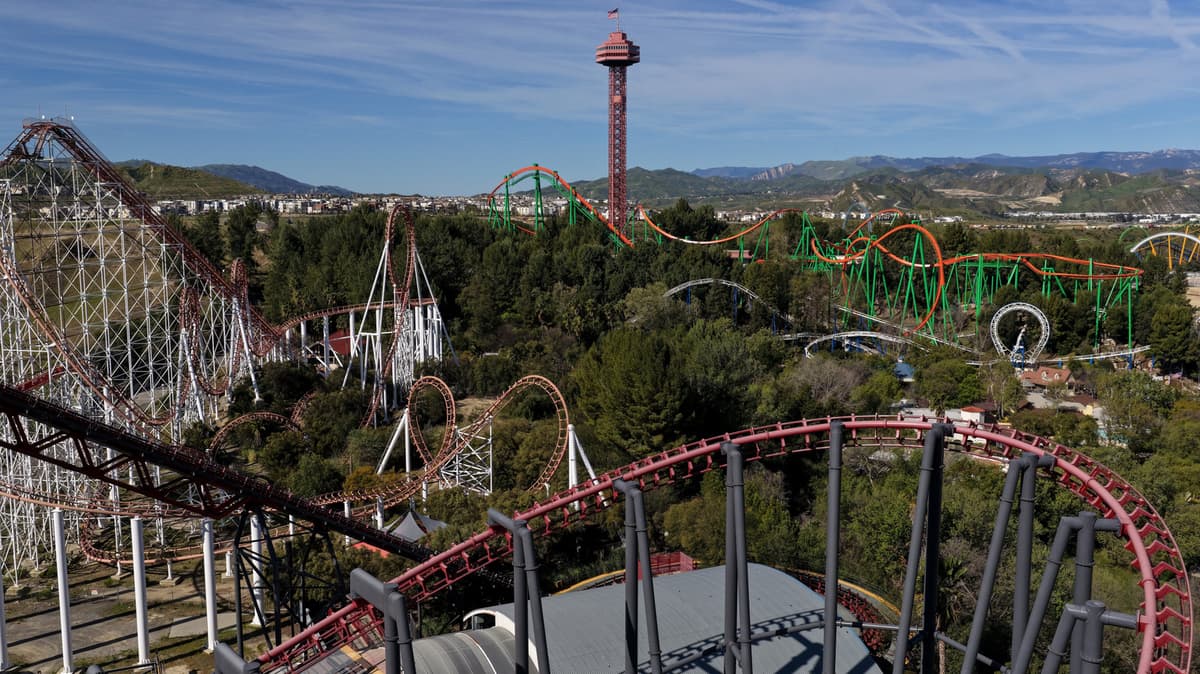
California's Biggest Amusement Park Isn't Disney Or Universal - It's The 'Thrill Capital Of The World'
Companies Mentioned
Why It Matters
Magic Mountain’s scale and coaster inventory give Six Flags a unique competitive edge in California’s theme‑park market, attracting high‑spending thrill‑seekers and diversifying regional tourism beyond Disney and Universal. Its seasonal schedule also influences attendance patterns and revenue streams for the operator.
Key Takeaways
- •Magic Mountain spans 260 acres, larger than Disney's parks
- •Park features 17 roller coasters, the most in one U.S. park
- •Open daily May‑July; limited days Aug‑April reduce seasonal revenue
- •Riddler's Revenge holds Guinness records for longest stand‑up coaster
- •Twisted Colossus blends wooden classic design with modern launch technology
Pulse Analysis
California’s amusement‑park landscape is dominated by Disney and Universal, yet Six Flags Magic Mountain quietly commands the title of the state’s biggest park by land area. At 260 acres, it dwarfs the footprint of Disneyland’s 500 acres when considering usable ride space, and its 17 roller coasters outnumber any single competitor in the nation. This concentration of high‑intensity attractions creates a distinct market niche: visitors who prioritize thrill over narrative experiences. By focusing on record‑breaking coasters like Riddler's Revenge and the hybrid Twisted Colossus, Magic Mountain leverages engineering feats to attract coaster enthusiasts worldwide, reinforcing its "Thrill Capital" brand.
From a business perspective, Magic Mountain’s operating calendar shapes its financial performance. The park runs daily during the summer peak (May‑July), capitalizing on school vacations and favorable weather, while limiting days from August through April to manage staffing costs and maintenance windows. This seasonal cadence compresses attendance into a high‑density window, driving per‑guest spend on premium experiences such as Fast Lane passes and exclusive events like Fright Fest. Moreover, the park’s proximity to Los Angeles fuels day‑trip traffic, supporting ancillary revenue for nearby hospitality and retail sectors, and bolstering Six Flags’ overall earnings in a competitive California market.
Looking ahead, Six Flags continues to invest in next‑generation coaster technology to sustain its thrill‑leadership. Plans for hybrid steel‑wood hybrids and launch‑coaster upgrades aim to refresh the ride portfolio without expanding the park’s footprint, a strategic move given limited available land. As consumer preferences shift toward immersive, high‑adrenaline experiences, Magic Mountain’s focus on record‑setting attractions positions it to capture a growing segment of the amusement‑park audience that seeks intensity over storytelling. This differentiation not only safeguards its market share against Disney’s narrative‑driven model but also enhances Six Flags’ brand equity as the premier destination for extreme rides in the West Coast.
California's Biggest Amusement Park Isn't Disney Or Universal - It's The 'Thrill Capital Of The World'
Comments
Want to join the conversation?
Loading comments...