Guatemala Highlights Community‑Led Maya Tourism Model as Sustainable Travel Gains Momentum

Why It Matters
The rise of community‑led tourism in Guatemala signals a shift in how emerging destinations can balance economic growth with cultural preservation. By channeling visitor spending into Indigenous‑run enterprises, the model not only safeguards Maya heritage but also creates resilient local economies less vulnerable to the boom‑bust cycles of mass tourism. For the broader travel industry, Guatemala’s experiment offers a proof point that authentic, low‑impact experiences can attract high‑spending travelers. Replicating this approach across Latin America could mitigate the environmental and social costs of overtourism while meeting the growing demand for meaningful, responsible travel.
Key Takeaways
- •Guatemala welcomed >3 M international visitors in 2025, up 11% YoY.
- •Tourism generated an estimated $1.39 billion in revenue for the country.
- •Chinimital involves 20 processing families and 82 producing families across Maya groups.
- •Project founders Jessica Chuj Vásquez and Jericó Saq’ik Gutierrez frame tourism as a cultural preservation revolution.
- •Guatemala plans a network of ‘cultural corridors’ to expand community‑driven tourism beyond Chinimital.
Pulse Analysis
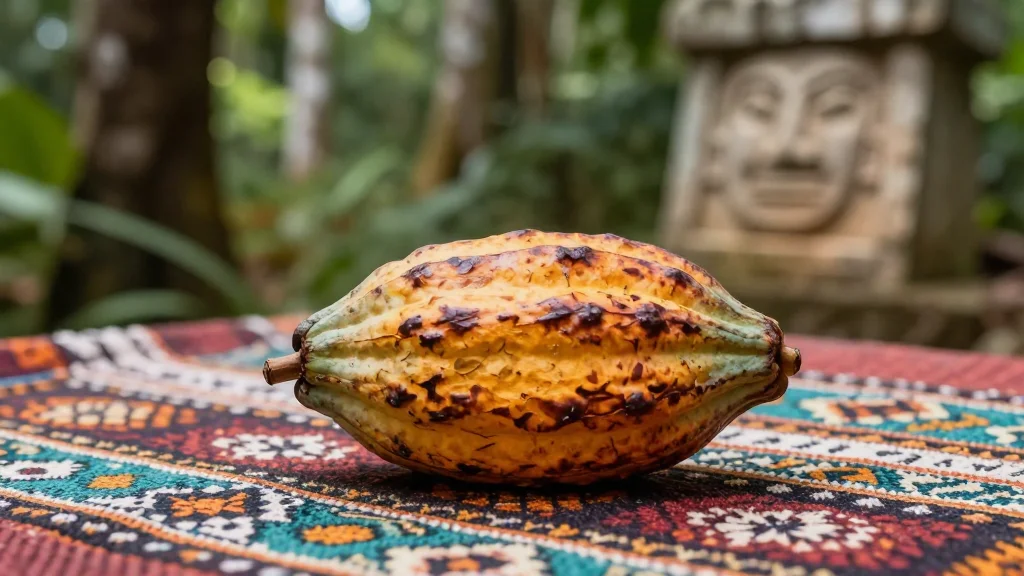
Guatemala’s pivot toward community‑centric tourism arrives at a moment when travelers are increasingly seeking purpose over price. The Chinimital case illustrates how heritage can be monetized without commodifying it, leveraging the deep spiritual connection Maya people have with cacao to create a differentiated product. This contrasts sharply with the mass‑market model that has plagued destinations like Antigua, where unchecked visitor growth has spurred gentrification and eroded local character.
From a market perspective, the $1.39 billion revenue figure underscores the financial upside of sustainable tourism. However, scaling such initiatives requires careful curation; too much exposure could dilute authenticity, while too little limits impact. The upcoming “cultural corridors” strategy could strike that balance by dispersing tourist flows across a broader geographic area, reducing pressure on single sites and fostering a more equitable distribution of income.
In the longer term, Guatemala’s experiment may influence regional policy frameworks, encouraging governments to embed Indigenous stewardship into tourism licensing and marketing. If other Latin American nations adopt similar models, the continent could collectively reposition itself as a leader in responsible travel, attracting a new class of eco‑conscious travelers and setting a benchmark for global tourism sustainability.
Guatemala Highlights Community‑Led Maya Tourism Model as Sustainable Travel Gains Momentum
Comments
Want to join the conversation?
Loading comments...