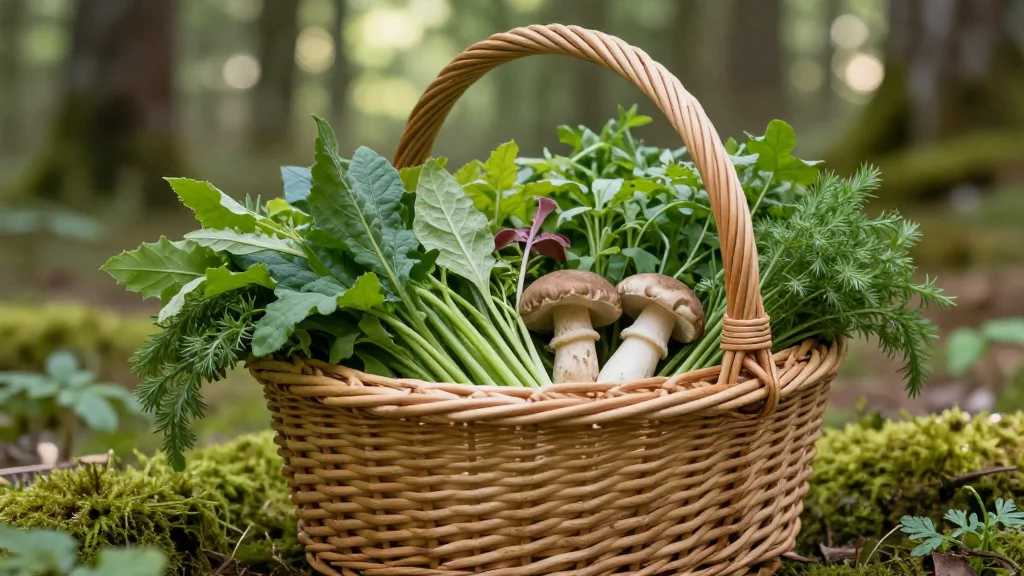
Guided Foraging Tour in Spicheren Forest Offers Wild Salads and Herbal Teas

Why It Matters
The Spicheren foraging tour highlights a rising consumer appetite for travel experiences that blend gastronomy, health and sustainability. As travelers prioritize low‑impact activities, destinations that can safely monetize natural assets stand to benefit economically while fostering conservation awareness. Moreover, the model demonstrates how local NGOs can partner with tourism boards to create curated experiences that protect ecosystems and generate revenue for rural communities. If replicated widely, such tours could reshape regional tourism strategies, shifting focus from mass‑market attractions to curated, education‑driven outings. This could help mitigate overtourism in popular sites while diversifying income streams for lesser‑known locales, reinforcing the broader shift toward responsible travel.
Key Takeaways
- •Unis pour la Terre launches a guided foraging tour in Spicheren forest for adults only
- •Reservations close on April 17, 2026, with tours running throughout spring
- •Participants learn to identify edible wild plants, prepare salads and brew herbal teas
- •Tour aligns with growing demand for sustainable, nature‑based travel experiences
- •Limited group sizes and educational focus aim to protect forest biodiversity
Pulse Analysis
The Spicheren foraging tour is a micro‑example of a larger trend: travelers are gravitating toward activities that offer tangible learning outcomes and a sense of contribution to environmental stewardship. This shift is driven by a post‑pandemic desire for authentic, health‑focused experiences that also satisfy a growing eco‑conscious mindset. By packaging botanical education with culinary practice, Unis pour la Terre creates a differentiated product that can command premium pricing and attract a niche yet affluent demographic.
Historically, foraging was a subsistence practice, but its modern incarnation as a tourism product leverages nostalgia and the wellness boom. The key to scalability lies in maintaining ecological integrity; overharvesting or insufficient guide training could quickly erode the very assets that make the experience valuable. Therefore, the association’s emphasis on small groups and toxic‑plant awareness is not just a safety measure but a strategic safeguard for long‑term viability.
Looking ahead, we can expect regional tourism boards to incorporate similar programs into their portfolios, especially in areas with rich but under‑exploited flora. Partnerships with local chefs, herbalists and conservation groups could deepen the offering, turning a single‑day walk into a multi‑day immersive retreat. If the Spicheren model proves profitable and environmentally sound, it may set a template for sustainable tourism that balances economic development with biodiversity preservation.
Guided Foraging Tour in Spicheren Forest Offers Wild Salads and Herbal Teas
Comments
Want to join the conversation?
Loading comments...