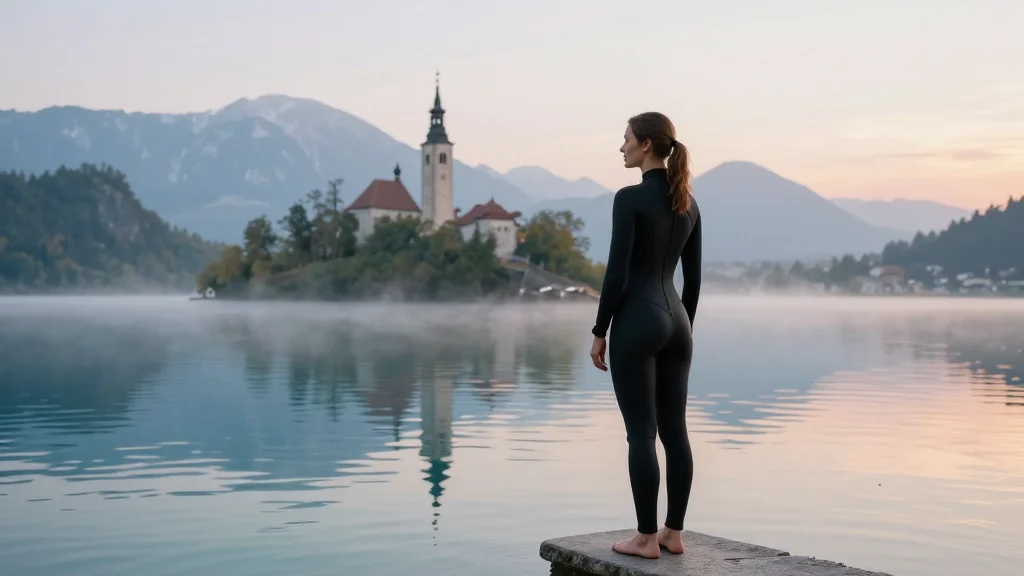
Lake Bled Tops New Global Cold‑Water Swimming Ranking, Highlighting Icy Wellness Trend

Why It Matters
Cold‑water swimming is more than a fleeting fad; it taps into a growing wellness paradigm that values physiological stressors as pathways to mental clarity and physical resilience. For the travel industry, the trend offers a new product category that can differentiate destinations, extend seasonality in colder climates and attract high‑spending adventure tourists. The ranking also signals a shift in consumer expectations: travelers now prioritize authentic, nature‑immersive experiences over curated luxury. This evolution forces traditional spa operators to adapt, either by integrating cold‑water elements into their offerings or by partnering with local outdoor providers to capture a share of the emerging market.
Key Takeaways
- •Lake Bled (Slovenia) leads with 76.8% positive reviews
- •Moraine Lake (Canada) and Cairngorms National Park (Scotland) tie at 72%
- •Banff National Park scores 71.2% positive, highlighting broader Canadian appeal
- •Icewear analyzed 54,000 Google reviews across 60 locations
- •Trend reflects rising demand for extreme wellness and nature‑based travel
Pulse Analysis
The Hot and Cold Therapy Index arrives at a moment when wellness tourism is diversifying beyond yoga retreats and thermal baths. Historically, cold‑water immersion has been a niche practice, but the data‑driven ranking legitimizes it as a mainstream travel product. Destinations that can safely manage cold‑water access stand to benefit from higher average spend per visitor, as participants often purchase specialized gear, guided tours and post‑dip recovery services.
From a competitive standpoint, the ranking creates a de‑facto leaderboard that can be leveraged in marketing campaigns, similar to Michelin’s star system for restaurants. Early adopters—like Slovenia’s tourism board—are already highlighting the accolade in promotional materials, likely driving incremental bookings. Conversely, regions lacking infrastructure may face pressure to invest quickly or risk being eclipsed by better‑prepared rivals.
Looking ahead, the sustainability of the trend will hinge on balancing visitor growth with environmental stewardship. Cold‑water sites are often ecologically sensitive; increased foot traffic could threaten water quality and surrounding habitats. Operators that embed conservation measures into their cold‑water offerings will not only protect the natural assets that make these spots attractive but also appeal to the eco‑conscious segment of wellness travelers.
Lake Bled Tops New Global Cold‑Water Swimming Ranking, Highlighting Icy Wellness Trend
Comments
Want to join the conversation?
Loading comments...