Meteorites, Micronations, and ‘Dead Songs’: Is This Europe’s Most Mysterious Archipelago?
Companies Mentioned
Why It Matters
Reviving lost cultural expressions strengthens regional identity and fuels niche tourism, while the archipelago’s unique heritage showcases how small communities can shape national narratives.
Key Takeaways
- •Saaremaa's “dead songs” revived in first dialect album after 15 years
- •Kaali meteorite crater, 7,500‑year‑old impact, shaped Baltic mythologies
- •UNESCO biosphere status protects 900 islands of Estonia’s Baltic archipelago
- •Torgu micronation emerged from 1990s admin typo, now has its own king
- •Post‑war depopulation erased many traditions, prompting heritage societies’ work
Pulse Analysis
The West Estonian Archipelago’s designation as a UNESCO Biosphere Reserve protects a fragile mosaic of pine forests, limestone cliffs and post‑glacial rebound‑shaped shorelines. Beyond its ecological value, the archipelago sits at a geographic crossroads that has historically attracted competing powers, from Teutonic knights to Soviet forces. This layered past creates a fertile ground for stories that intertwine nature and culture, making the region a compelling case study for sustainable tourism that leverages both biodiversity and heritage.
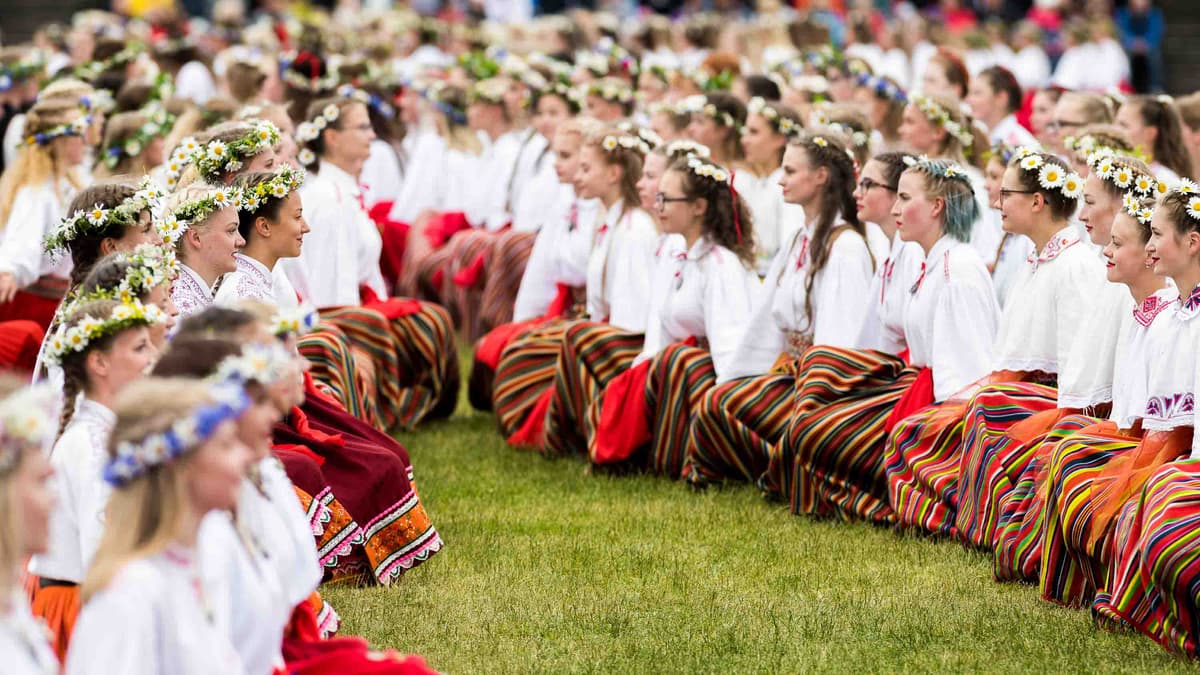
Cultural revival is at the heart of Saaremaa’s contemporary narrative. After decades of war‑induced disruption, the Sõrve Peninsula’s community groups have painstakingly collected and recorded Runos—traditional folk songs that vanished from daily life. Their recent album not only preserves a dialect spoken by a handful of families but also echoes the spirit of Estonia’s 1988‑1991 Singing Revolution, where music became a peaceful weapon for independence. Such grassroots efforts underscore the power of oral tradition to rebuild communal memory and reinforce national identity.
The archipelago’s mystique is amplified by the Kaali crater, a meteorite impact that exploded with the force of a tactical nuclear device 7,500 years ago. The crater’s lake and surrounding legends have woven themselves into the Finnish Kalevala and Estonian Kalevipoeg epics, illustrating how geological events can shape cultural mythos. Meanwhile, the micronation of Torgu—born from a bureaucratic oversight—embodies local agency, with its self‑appointed king and symbolic vodka‑tied currency attracting curious travelers. Together, these elements highlight how even the most remote corners of Europe can generate global interest through a blend of natural wonder, historical intrigue, and inventive self‑determination.
Meteorites, micronations, and ‘dead songs’: Is this Europe’s most mysterious archipelago?
Comments
Want to join the conversation?
Loading comments...