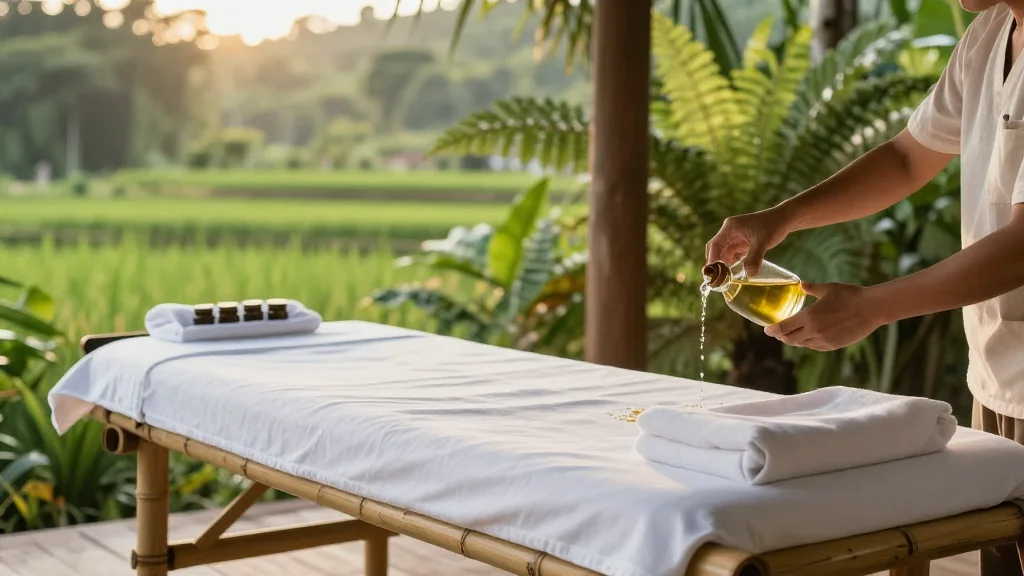
Philippines Pushes Wellness Tourism, Taps Nature and Traditional Healing

Why It Matters
Positioning wellness tourism as a growth engine could diversify the Philippines’ revenue streams, reducing reliance on traditional beach tourism that is vulnerable to climate events and seasonal fluctuations. By leveraging hilot and other indigenous practices, the country differentiates itself in a crowded market, potentially attracting higher‑spending travelers who stay longer and spend more on health‑focused services. If successful, the strategy may also stimulate rural economies, as wellness corridors spread visitor traffic to provinces beyond Manila and Cebu. The emphasis on community‑based experiences could create jobs, preserve cultural heritage and encourage sustainable land use, aligning economic development with environmental stewardship.
Key Takeaways
- •Tourism Promotions Board names health and wellness a flagship priority for 2025‑2026.
- •Provincial "Nurturing Bohol" program promotes integrated wellness, nature and culture retreats.
- •Hilot, a traditional Filipino healing practice, is being professionalized and featured in upscale resorts.
- •Analysts view wellness tourism as a higher‑yield, shock‑resilient segment for the Philippines.
- •Pilot wellness corridors slated for launch in Bohol, Palawan and Siquijor by late 2026.
Pulse Analysis
The Philippines’ wellness pivot arrives at a moment when global travelers are redefining leisure as a health‑centric pursuit. Post‑pandemic demand for longer stays, remote‑work flexibility and holistic wellbeing has propelled destinations like Bali and Costa Rica to the forefront of the market. By embedding wellness into its national tourism strategy, the Philippines is attempting to capture a slice of this premium segment before competitors solidify their own offerings.
Historically, the country’s tourism narrative has been dominated by sun‑sand‑sea imagery. The new focus on nature‑immersive retreats and indigenous healing practices represents a strategic rebranding that could elevate average spend per visitor. Hilot’s elevation from village tradition to resort menu item mirrors a broader trend of commodifying cultural assets, raising questions about authenticity versus commercialization. The government's move to standardize training and regulation may mitigate concerns, but the balance between preserving cultural integrity and meeting luxury market expectations will be delicate.
Looking ahead, the success of the pilot wellness corridors will hinge on infrastructure readiness, marketing reach and the ability to deliver consistent, high‑quality experiences across disparate islands. If the Philippines can demonstrate a scalable model that blends ecological stewardship, community benefit and premium service, it could set a template for other emerging destinations seeking to transition from mass tourism to purpose‑driven travel.
Philippines Pushes Wellness Tourism, Taps Nature and Traditional Healing
Comments
Want to join the conversation?
Loading comments...