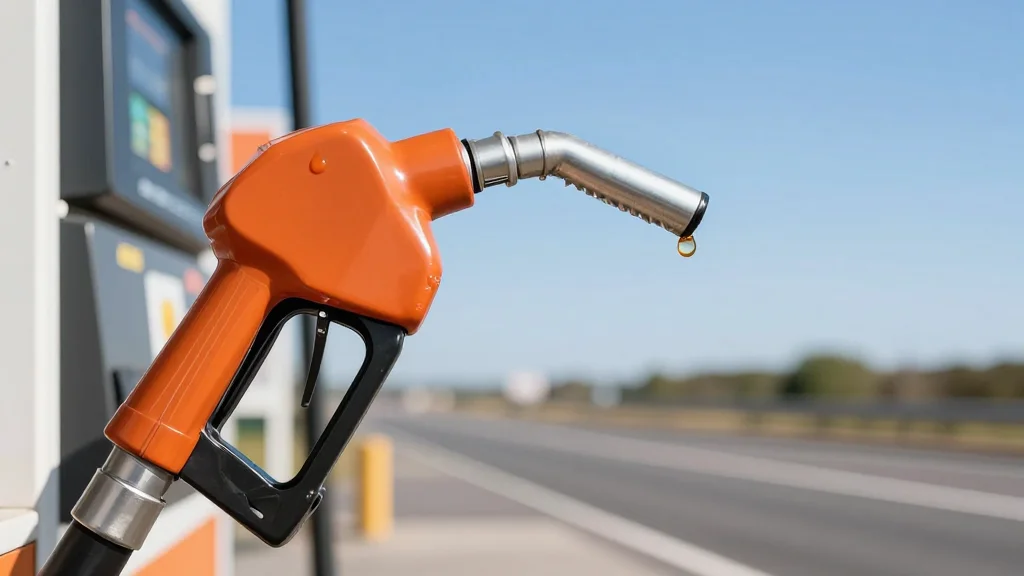
Record‑Breaking Memorial Day Travel Amid 40% Fuel Price Surge

Companies Mentioned
Why It Matters
The AAA forecast underscores a paradox in the travel industry: strong consumer desire for summer trips coexists with sharp cost pressures that could widen the gap between affluent and price‑sensitive travelers. If higher‑income households continue to dominate bookings, destinations that cater to luxury and premium experiences may see outsized gains, while budget‑oriented markets could face slower recovery. Moreover, sustained fuel price inflation may accelerate longer‑term shifts toward more sustainable travel modes, such as rail or electric‑vehicle rentals, reshaping the competitive landscape for airlines, car‑rental firms, and hospitality providers. Policymakers and industry leaders will need to monitor these dynamics to ensure infrastructure and pricing strategies keep pace with evolving traveler behavior.
Key Takeaways
- •AAA forecasts 200,000 more Memorial Day travelers than 2025, the highest on record.
- •Car travel expected to reach 39.1 million trips, a 0.4 % rise despite $4.50‑plus gasoline.
- •Fuel prices have risen roughly 40 % year‑over‑year, pressuring travel budgets.
- •Higher‑income households are maintaining strong travel spend, according to Bank of America.
- •Emerging regional destinations see modest growth as travelers seek cost‑effective alternatives.
Pulse Analysis
The record‑setting Memorial Day forecast signals that demand elasticity in the U.S. travel market remains robust among wealthier consumers, but the 40 % fuel price surge introduces a new friction point. Historically, spikes in gasoline costs have prompted short‑term dips in road travel, yet the current data suggest a muted impact on overall trip volume. This resilience likely reflects a combination of pent‑up demand post‑pandemic and the cultural importance of the Memorial Day holiday as the unofficial start of summer vacations.
From a competitive standpoint, airlines may benefit from a modest shift toward air travel for longer hauls, especially if they can bundle fuel‑surcharge‑free fares or offer loyalty incentives. Conversely, car‑rental firms that invest in fuel‑efficient or electric fleets could capture a growing segment of cost‑conscious travelers seeking to mitigate fuel expenses. Hotel operators in emerging secondary markets should position themselves as value‑driven alternatives, leveraging local experiences to attract the “staycation” crowd.
Looking forward, the travel industry must grapple with the dual forces of strong consumer intent and rising operational costs. Strategic pricing, flexible booking policies, and investments in alternative transport modes will be critical to sustaining growth through the summer. Stakeholders that can adapt quickly to these cost dynamics are likely to emerge as the winners in an otherwise uneven travel season.
Record‑Breaking Memorial Day Travel Amid 40% Fuel Price Surge
Comments
Want to join the conversation?
Loading comments...