Sleep Tourism Booms as Travelers Prioritize Rest, $690B Market Grows

Why It Matters
Sleep tourism reflects a fundamental shift in consumer priorities: health and recovery now outweigh traditional sightseeing. By turning rest into a marketable product, the travel industry is tapping into a $690 billion opportunity that could redefine hotel design, staffing, and technology investment. The trend also signals broader societal concerns about chronic sleep deprivation, suggesting that travel may increasingly serve as a preventive health service rather than mere leisure. For policymakers and insurers, the rise of sleep‑focused travel could influence public health strategies and coverage models. If sleep tourism proves effective in improving sleep quality, it may be incorporated into wellness incentives, employer benefits, and even Medicare‑approved programs, blurring the line between tourism and medical care.
Key Takeaways
- •Travelers are booking sleep‑focused vacations, making sleep tourism a top 2026 trend.
- •Global sleep tourism market valued at >$690 billion, projected to add $400 billion by 2028.
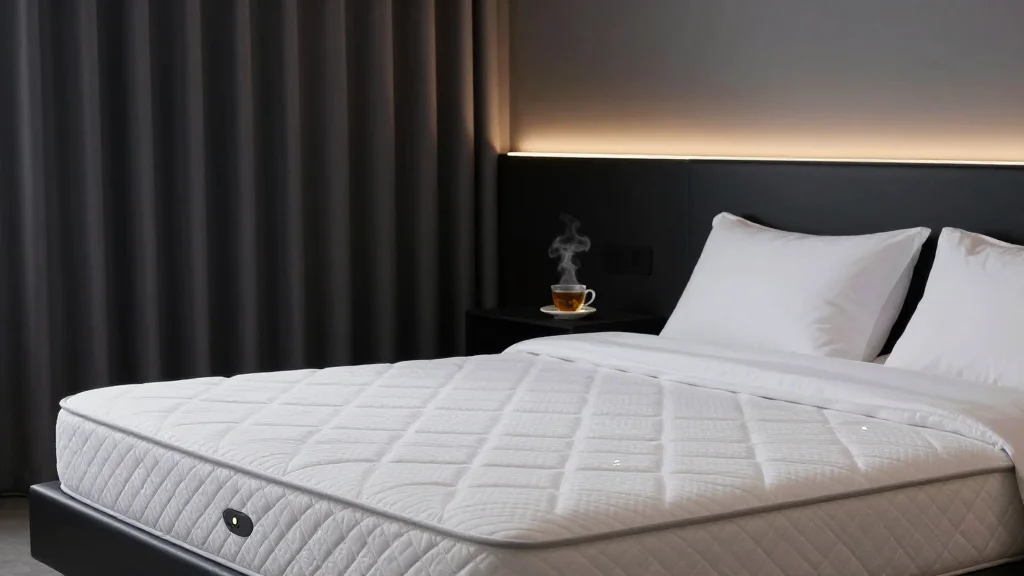
- •Hotels are installing smart beds, blackout rooms, and hiring sleep specialists.
- •Charlie Morley, sleep expert, highlights the rise of sleep gamification and data‑backed claims.
- •Industry forecasts suggest travel agencies will add sleep‑filter options and insurers may cover sleep retreats.
Pulse Analysis
The acceleration of sleep tourism is less a fad than a structural realignment of travel demand toward wellness. Historically, the hospitality sector has responded to health trends—first fitness, then mindfulness—by retrofitting existing assets. Sleep tourism, however, demands a deeper integration of technology and medical expertise, forcing hotels to become data custodians. This creates a new competitive moat: properties that can reliably demonstrate measurable sleep improvements will command premium rates and loyalty.
From a market perspective, the $690 billion valuation is anchored in both consumer spend and the ancillary ecosystem of tech vendors, sleep clinics, and wellness brands. Early adopters like Nômade and Kimpton Fitzroy have set a benchmark, but scaling the model will require standardization—perhaps an industry‑wide certification for sleep‑optimized rooms. Such a framework could lower entry barriers for mid‑tier hotels while preserving differentiation for luxury players.
Looking ahead, the convergence of sleep tourism with broader health insurance and employer wellness programs could unlock a new revenue stream. If insurers begin to reimburse sleep‑focused stays as preventive care, demand could shift from discretionary to essential travel. This would not only stabilize occupancy rates year‑round but also embed travel deeper into the healthcare continuum, reshaping the very definition of a vacation.
Sleep Tourism Booms as Travelers Prioritize Rest, $690B Market Grows
Comments
Want to join the conversation?
Loading comments...