Sweden’s West Coast Pushes Sustainable ‘Blue Foods’ to Attract Eco‑Travelers

Why It Matters
Sustainable blue‑food tourism offers a tangible pathway for travelers to support climate‑friendly food systems while enjoying unique culinary experiences. By spotlighting low‑impact marine harvests, Sweden demonstrates how tourism can reinforce, rather than undermine, environmental goals. The model also provides a blueprint for other coastal economies seeking to diversify revenue streams without sacrificing ecological integrity. If the balance between visitor demand and ecosystem health is managed well, blue‑food tourism could become a catalyst for broader adoption of sustainable aquaculture, contributing to global food security and reducing reliance on land‑based protein sources that carry higher greenhouse‑gas footprints.
Key Takeaways
- •Lars Marstone runs a 15‑year‑old oyster and mussel tour on the Bohuslän coast.
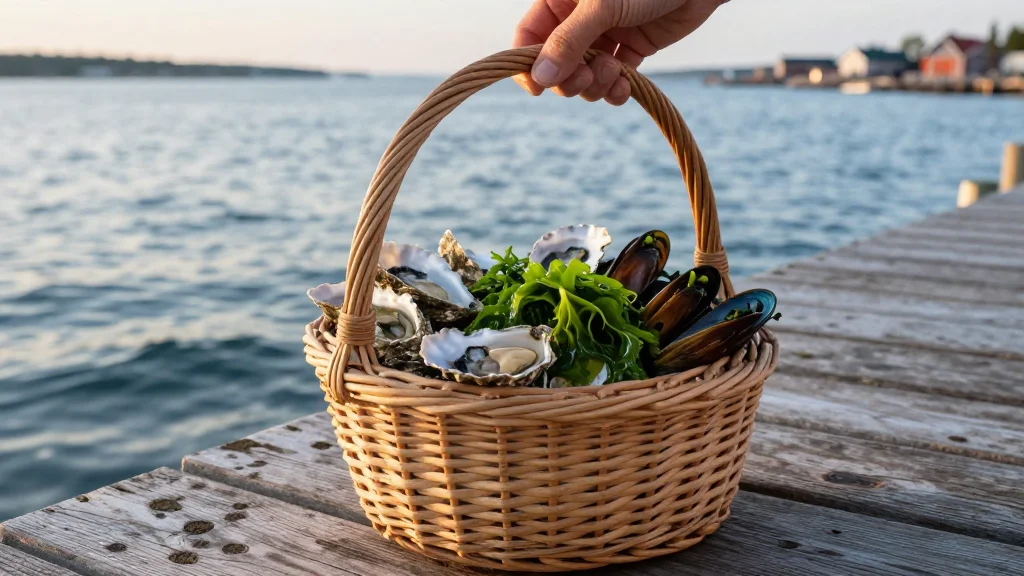
- •Blue foods include oysters, mussels and seaweed harvested with minimal ecological impact.
- •UN reports label blue foods as crucial for food security and climate‑positive systems.
- •Tourism officials warn that increased visitor numbers could stress marine habitats.
- •Swedish tourism board to feature blue‑food itineraries in a national campaign later this year.
Pulse Analysis
The rise of blue‑food tourism reflects a convergence of two powerful trends: experiential travel and climate‑aware consumption. Historically, food tourism has focused on land‑based specialties—wine regions, farm‑to‑table restaurants, and heritage dishes. By shifting the lens to the ocean, Sweden is tapping into a relatively untapped market segment that values provenance, sustainability, and novelty.
Economically, the model offers a high‑margin product: fresh shellfish fetched directly from the water can command premium prices, especially when paired with storytelling about low‑impact farming. For local economies, this translates into new revenue streams without the heavy infrastructure costs associated with traditional resorts. However, the scalability of such tours is constrained by the carrying capacity of fjords and the need to preserve water quality. Over‑tourism could trigger eutrophication, undermining both the ecosystem and the very product that draws visitors.
Strategically, destinations that can certify their blue‑food supply chains—through third‑party audits or government standards—will gain a competitive edge. As travelers increasingly demand transparency, Sweden’s early adoption of clear guidelines could set a benchmark. The upcoming regulatory framework, which aims to cap daily tour numbers, will be a litmus test for balancing growth with stewardship. If successful, the blue‑food blueprint could be exported to other coastal regions, reshaping the global travel landscape toward more ocean‑centric, sustainable experiences.
Sweden’s West Coast Pushes Sustainable ‘Blue Foods’ to Attract Eco‑Travelers
Comments
Want to join the conversation?
Loading comments...