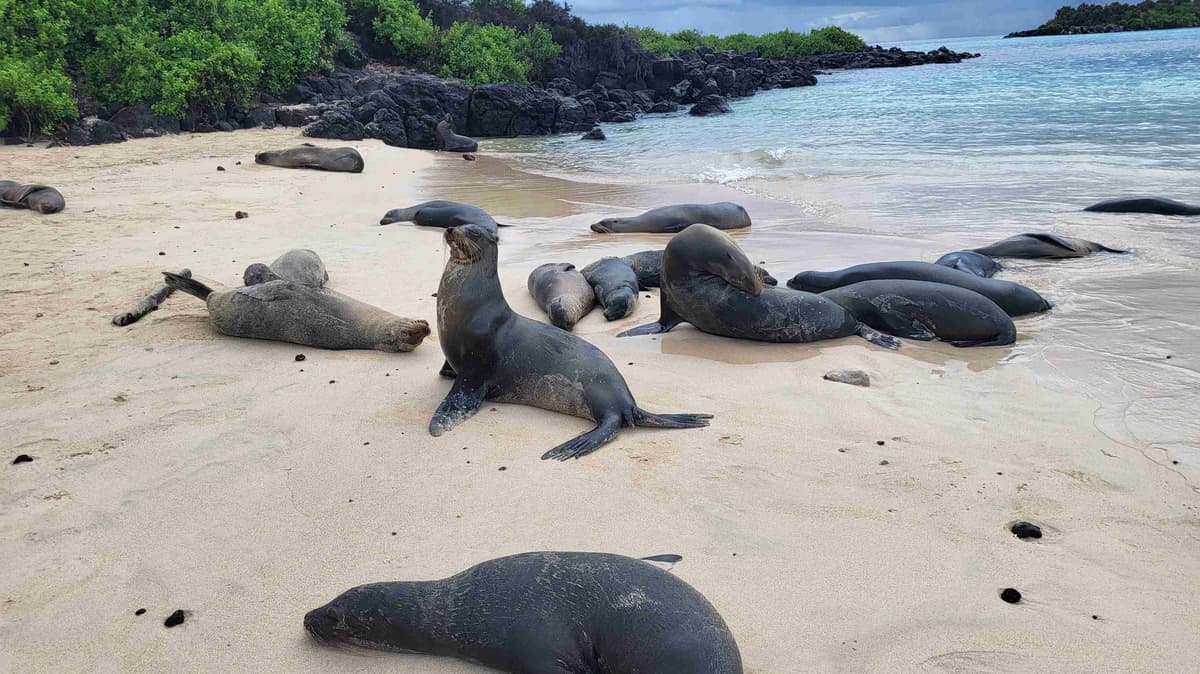
The Voice of Sir David Attenborough Defined My Youth. And in the Galápagos, I Heard Him Even Louder
Companies Mentioned
Why It Matters
The narrative links personal travel to broader environmental challenges, illustrating how media‑driven awareness can drive sustainable tourism and policy action in fragile ecosystems like the Galápagos.
Key Takeaways
- •Sir David Attenborough’s documentaries inspire multigenerational environmental stewardship
- •Galápagos sea‑temperature rise threatens marine food chains
- •Controlled ecotourism supplies income while protecting fragile habitats
- •Freshwater scarcity drives unique wildlife adaptations and human impact
Pulse Analysis
Sir David Attenborough’s voice has become a cultural touchstone for nature lovers, and his evolution from pure natural‑history storytelling to urgent climate advocacy reflects a broader shift in public consciousness. As his documentaries reach new audiences through streaming platforms, they serve as a catalyst for experiential travel, prompting visitors like Meira Dattani to seek out the very ecosystems that inspired his early work. This feedback loop—media sparking curiosity, leading to on‑the‑ground experiences, which then reinforce conservation narratives—strengthens the global environmental movement and creates a market for responsible ecotourism.
The Galápagos Islands epitomize the paradox of tourism‑driven economies in fragile habitats. While visitor spending funds local infrastructure and conservation programs, unchecked footfall can exacerbate plastic pollution, disturb nesting sites, and strain limited freshwater resources. Recent climate data show sea‑surface temperatures around the archipelago climbing by 0.5 °C over the past decade, disrupting nutrient upwelling that sustains fish populations and, by extension, the entire food web. Sustainable operators, such as Intrepid Travel, are adopting low‑impact practices—smaller vessels, carbon offsets, and strict waste protocols—to mitigate these pressures, illustrating a viable model for other destinations.
Beyond the immediate ecological concerns, the Galápagos narrative underscores a strategic lesson for policymakers: conservation succeeds when local communities benefit economically. Attenborough’s own commentary highlights that without tourism revenue, many protected areas would lack the funding needed for enforcement and research. By aligning economic incentives with environmental outcomes, governments can foster resilient ecosystems while supporting livelihoods. As climate change intensifies, the integration of media influence, responsible travel, and community‑based stewardship will be essential to preserving biodiversity hotspots worldwide.
The voice of Sir David Attenborough defined my youth. And in the Galápagos, I heard him even louder
Comments
Want to join the conversation?
Loading comments...