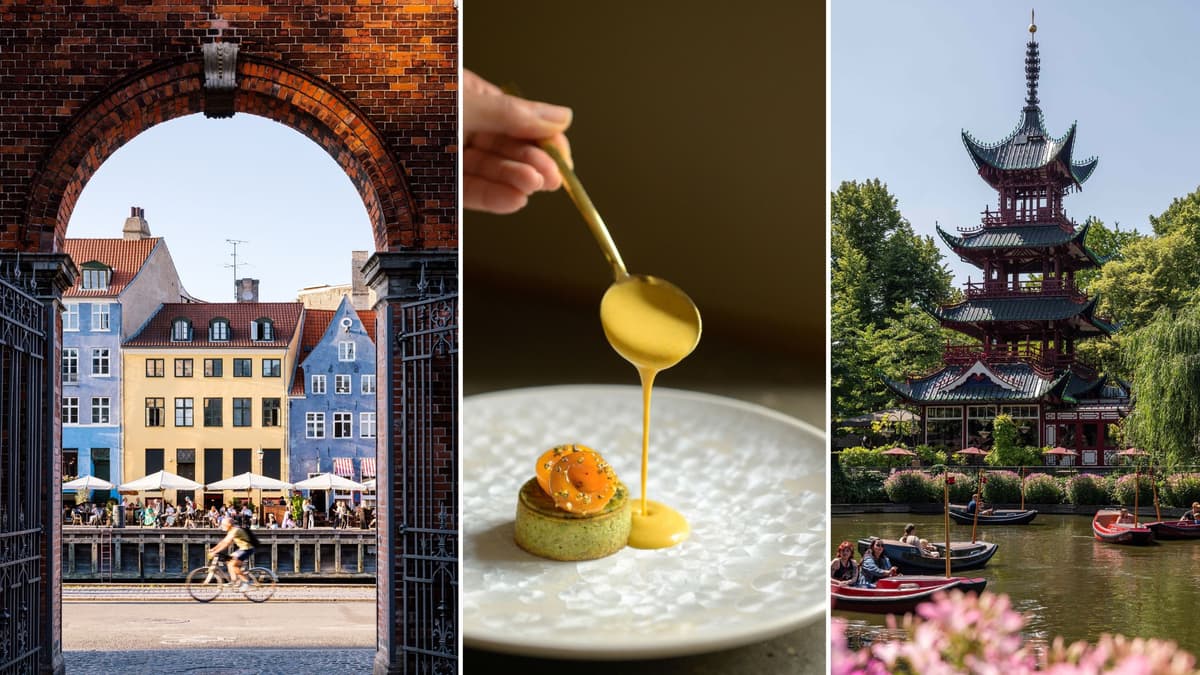
This Year, Copenhagen’s Best Dining Experience Is Inside an Amusement Park
Why It Matters
The pop‑up model transforms a traditional amusement park into a high‑margin, destination‑driven culinary hub, driving tourism spend and reinforcing Copenhagen’s reputation as a global food capital.
Key Takeaways
- •Japanese Pagoda hosts seven global pop‑up restaurants in 2026
- •Michelin‑starred chefs create seasonal menus with Danish ingredients
- •Pop‑up concept boosts Tivoli’s tourism revenue and brand prestige
- •Combines historic park ambiance with modern Danish design experience
Pulse Analysis
The rise of pop‑up restaurants has reshaped how cities leverage existing attractions for culinary tourism, and Copenhagen’s Tivoli Gardens is a textbook example. The Japanese Pagoda, a century‑old tower within the park, now serves as a rotating stage for elite chefs, turning a classic amusement‑park setting into a high‑end dining destination. By inviting Michelin‑starred talent from Paris, Switzerland, Berlin and beyond, Tivoli creates exclusive, time‑limited experiences that attract both locals and international visitors seeking novelty and prestige.
From a business perspective, the Pagoda’s program generates incremental revenue streams far beyond traditional ride tickets and concessions. Seasonal menus built on locally sourced Danish produce command premium price points, while the limited‑run nature of each pop‑up drives urgency and higher occupancy rates. Moreover, the collaboration with renowned chefs amplifies media coverage, social‑media buzz, and word‑of‑mouth referrals, positioning Tivoli as a cultural hotspot rather than merely an amusement venue. This diversification aligns with broader trends where hospitality operators repurpose heritage sites to capture higher‑value segments of the tourism market.
Looking ahead, the success of Tivoli’s pop‑up model suggests a replicable blueprint for other legacy attractions worldwide. By pairing iconic architecture with contemporary design—such as Fritz Hansen’s furniture—and curating a rotating roster of culinary talent, operators can continuously refresh their offering without massive capital outlays. For investors and city planners, the key takeaway is that strategic culinary programming can elevate a venue’s brand equity, extend visitor dwell time, and unlock new sponsorship and partnership opportunities, making it a compelling growth lever in the post‑pandemic hospitality landscape.
This Year, Copenhagen’s Best Dining Experience Is Inside an Amusement Park
Comments
Want to join the conversation?
Loading comments...