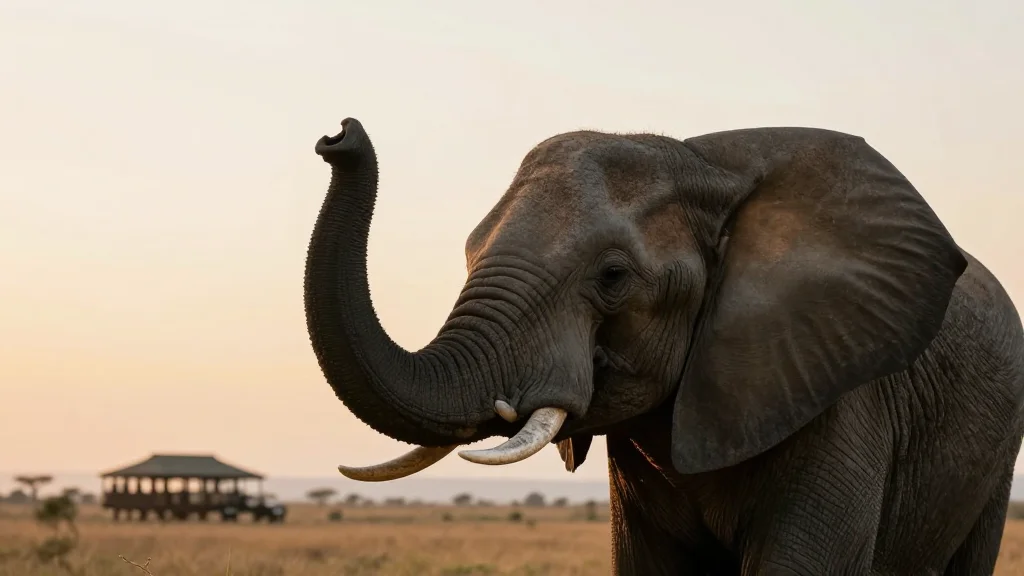
TikTok Boosts Thula Thula Sanctuary Into Top Elephant Safari Destination

Why It Matters
The Thula Thula surge highlights how social media can rapidly reshape travel demand, especially for niche wildlife experiences. By converting viral exposure into tangible bookings, the reserve demonstrates a viable model for funding conservation through premium tourism. This dynamic also pressures other destinations to adopt responsible visitor management practices, ensuring that increased footfall does not compromise ecological integrity. Moreover, the case underscores a shift in traveler expectations: guests now seek authentic, conservation‑focused narratives that they can share instantly. Destinations that can authentically align luxury with stewardship are poised to capture a growing segment of affluent, environmentally aware tourists, reshaping revenue streams across the African safari industry.
Key Takeaways
- •Thula Thula spans 5,000 hectares in Zululand, KwaZulu‑Natal
- •TikTok video featuring Lawrence Anthony’s legacy sparked a surge in bookings
- •Reserve offers luxury safari experiences while enforcing strict wildlife‑watch guidelines
- •Recent conservation milestone: collaring of four cheetahs
- •Owner Francoise Malby‑Anthony emphasizes sustainable tourism to fund anti‑poaching efforts
Pulse Analysis
Thula Thula’s TikTok‑driven popularity is a textbook example of the ‘influencer‑to‑itinerary’ pipeline that has been gaining traction across the travel sector. Historically, safari destinations relied on guidebooks, travel agents, and word‑of‑mouth within elite circles. The democratization of content creation means that a single short video can generate global curiosity, translating into high‑value bookings within weeks. This accelerates the revenue cycle for private reserves, allowing them to reinvest quickly in anti‑poaching units, veterinary facilities, and community outreach.
However, the rapid influx also introduces operational risks. Over‑booking can lead to habitat degradation, increased human‑wildlife conflict, and a dilution of the exclusive experience that high‑spending guests expect. Thula Thula’s decision to cap visitor numbers reflects an emerging best practice: aligning capacity with ecological thresholds. Other reserves will likely adopt similar models, integrating real‑time monitoring data to adjust booking limits dynamically.
From a market perspective, the Thula Thula story signals a broader trend where conservation‑centric luxury travel becomes a differentiator. Investors are watching these developments, as the blend of high margins and measurable environmental impact offers a compelling narrative for ESG‑focused capital. In the next 12‑18 months, we can anticipate a wave of private game reserves seeking partnerships with digital creators, developing immersive content, and building reservation platforms that directly capture the social‑media audience. The key to long‑term success will be maintaining authenticity—ensuring that the storytelling matches on‑ground conservation outcomes—so that the viral hype translates into lasting ecological benefit rather than a fleeting tourism fad.
TikTok Boosts Thula Thula Sanctuary into Top Elephant Safari Destination
Comments
Want to join the conversation?
Loading comments...