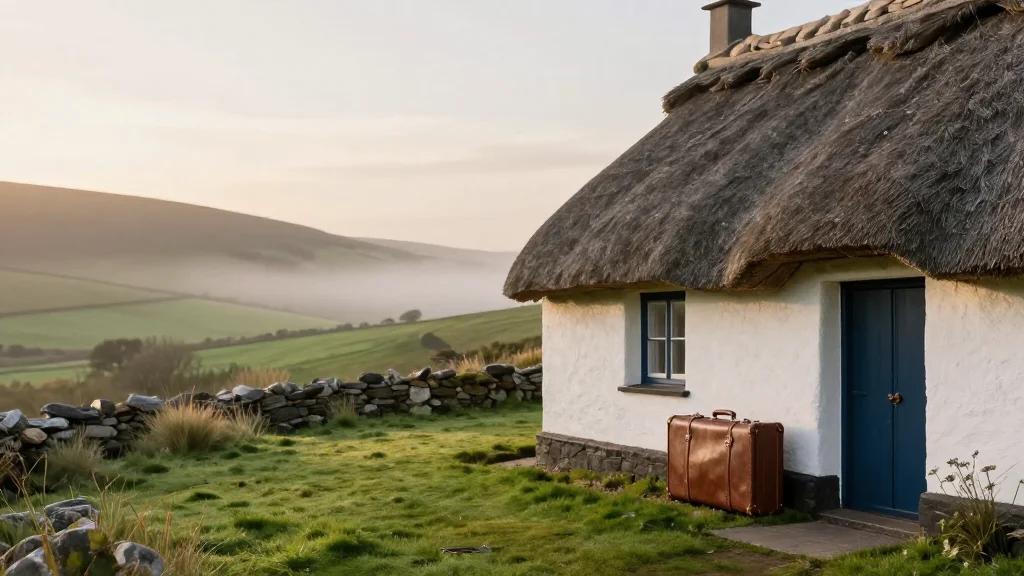
Tourism Ireland Launches ‘Ireland Unrushed’ Campaign to Boost Slow, Sustainable Travel

Why It Matters
The ‘Ireland Unrushed’ campaign arrives at a pivotal moment when travelers worldwide are rethinking the environmental footprint of their trips. By championing slower itineraries, Ireland aims to protect its natural heritage while unlocking new revenue streams for rural economies that have traditionally been sidelined by mass tourism. The initiative also signals to other destinations that sustainable growth is achievable without sacrificing visitor numbers. If the campaign demonstrates measurable shifts in visitor behavior—longer stays, reduced congestion, and higher spend on local services—it could become a template for other nations grappling with overtourism. Moreover, aligning with EU sustainability goals may unlock additional funding for green infrastructure, further reinforcing Ireland’s competitive edge in the global travel market.
Key Takeaways
- •Tourism Ireland launches ‘Ireland Unrushed’ to promote slow, sustainable travel.
- •Campaign targets summer visitors with a focus on rural and lesser‑known sites.
- •Goal is to lengthen stays and spread visitor traffic beyond traditional hotspots.
- •No specific funding details disclosed; success hinges on infrastructure upgrades.
- •Initiative aligns with EU Green Deal tourism guidelines and global sustainability trends.
Pulse Analysis
Tourism Ireland’s ‘Ireland Unrushed’ campaign reflects a broader industry pivot toward experience‑driven, low‑impact travel. Historically, Ireland’s tourism growth has been driven by high‑volume, short‑stay visitors concentrated in a handful of iconic locations. While this model delivered robust visitor numbers, it also generated strain on infrastructure and raised sustainability concerns. By deliberately encouraging a slower pace, the board is attempting to recalibrate the value proposition—from sheer volume to depth of engagement.
The timing is strategic. Post‑pandemic travelers are increasingly seeking authenticity and are willing to spend more for longer stays that allow deeper cultural immersion. Early data from European markets show a 12% rise in average length of stay for destinations that marketed “slow tourism” experiences in 2024. If Ireland can capture even a fraction of that trend, the economic impact could be significant, especially for peripheral regions that have lagged behind Dublin and Galway.
However, the campaign’s efficacy will depend on tangible support mechanisms. Without expanded public transport, reliable bike‑share networks, and incentives for eco‑certified accommodations, the messaging may remain aspirational. Competitors such as Scotland and Wales have already rolled out integrated transport‑tourism packages that make slow travel logistically feasible. Ireland’s next move—whether it be public‑private partnerships to fund green mobility or subsidies for local hosts—will determine if ‘Ireland Unrushed’ evolves from a branding exercise into a sustainable growth engine.
In the longer term, the campaign could reshape Ireland’s brand identity on the world stage, positioning it as a leader in responsible tourism. Success would likely attract further EU funding, encourage other sectors (e.g., agriculture, heritage sites) to adopt sustainable practices, and create a virtuous cycle of preservation and prosperity.
Tourism Ireland Launches ‘Ireland Unrushed’ Campaign to Boost Slow, Sustainable Travel
Comments
Want to join the conversation?
Loading comments...