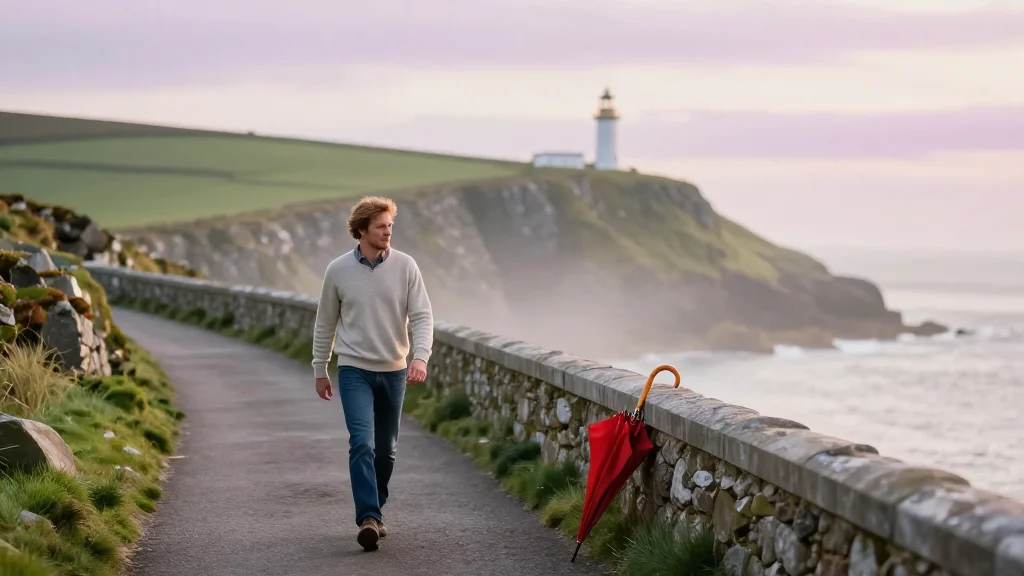
Tourism Ireland Pushes May Slow‑travel Campaign to Lure Off‑peak Visitors

Why It Matters
The campaign underscores a pivotal shift in travel behavior: tourists are prioritizing experiences that allow for reflection and connection over sheer volume. By promoting May as a low‑key travel window, Ireland aims to capture discretionary spend that would otherwise be lost to the summer lull, supporting local economies that depend on tourism year‑round. Moreover, the initiative could serve as a template for other countries grappling with overtourism, illustrating how strategic seasonal marketing can redistribute visitor flows and protect fragile attractions. For the travel industry, the success of "Ireland Unrushed" may accelerate investment in off‑peak product development, from boutique lodging to curated cultural tours. A sustained demand for slower, more immersive trips could reshape airline capacity planning, travel‑tech platforms and destination‑marketing budgets, nudging the sector toward a more balanced and resilient model.
Key Takeaways
- •Tourism Ireland launched the "Ireland Unrushed" campaign to promote May travel.
- •The initiative highlights quiet coastal walks, local markets and boutique stays.
- •May offers milder weather and lower hotel occupancy, creating a restorative experience.
- •The push aligns with the growing "slow travel" trend post‑pandemic.
- •Tourism Ireland will track booking data and visitor satisfaction through June.
Pulse Analysis
Ireland's May campaign arrives at a moment when the travel industry is recalibrating after years of pandemic‑induced volatility. Historically, Ireland's tourism peaks in July and August, leaving a pronounced trough in the shoulder months. By deliberately spotlighting May, the agency is not merely filling a calendar gap; it is attempting to reframe the country's brand from a summer‑centric destination to a year‑round haven for mindful travelers. This rebranding could have a cascading effect on ancillary sectors—rural transport services, local food producers and heritage sites—that have long suffered from seasonal revenue swings.
The "slow travel" narrative also dovetails with sustainability goals. Fewer crowds mean reduced strain on natural resources, lower carbon footprints per visitor and a better chance for communities to retain cultural authenticity. If the campaign translates into measurable occupancy gains, it could validate a business case for other destinations to adopt similar shoulder‑season strategies, potentially reshaping European tourism supply chains. Airlines might respond by adding modest capacity on mid‑week routes, while OTA platforms could develop dynamic pricing tools that reward off‑peak bookings.
However, the initiative's success hinges on execution. Without compelling on‑the‑ground experiences and clear value propositions, travelers may still gravitate toward the traditional summer window. The lack of disclosed budget or partnership details leaves an open question about the scale of investment behind the push. Monitoring key performance indicators—hotel ADR (average daily rate), length of stay and regional spend—will be essential to gauge whether "Ireland Unrushed" can sustain momentum beyond a seasonal marketing blip and become a lasting pillar of the country's tourism strategy.
Tourism Ireland pushes May slow‑travel campaign to lure off‑peak visitors
Comments
Want to join the conversation?
Loading comments...