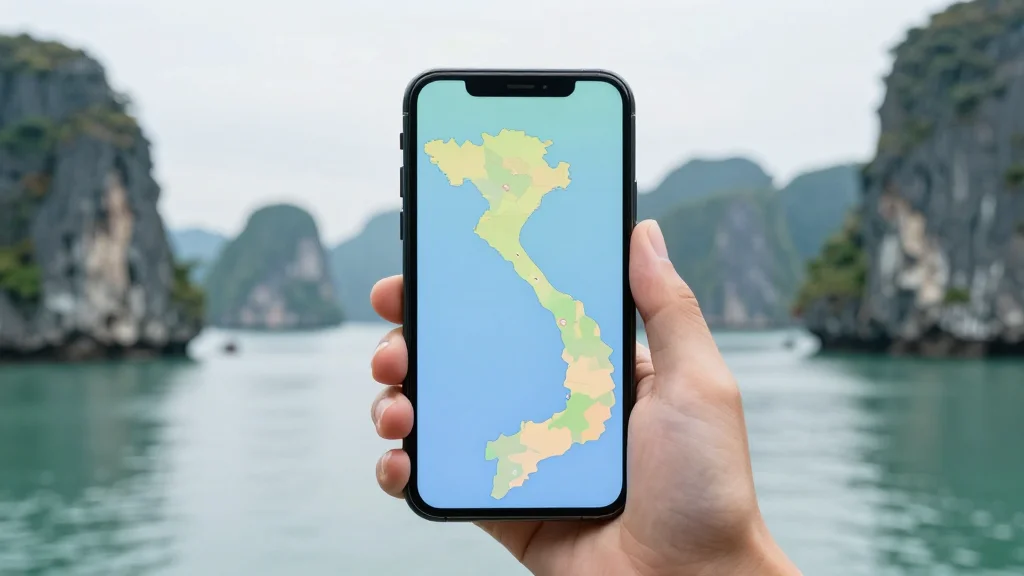
Vietnam Uses Digital Storytelling to Boost Adventure Tourism, Aims for 10.5M Visitors in 2026

Why It Matters
Vietnam’s pivot to digital storytelling reflects a broader industry shift where destinations compete on narrative depth rather than just price or infrastructure. By aligning government, media and private operators around a shared content strategy, Vietnam aims to attract higher‑value travelers who spend more and stay longer, boosting economic resilience. The approach also addresses sustainability concerns, as authentic storytelling can highlight conservation efforts and local culture, encouraging responsible visitor behavior. If successful, Vietnam’s model could reshape how Southeast Asian nations market themselves, prompting a wave of data‑driven, story‑centric campaigns that prioritize immersive experiences. This could raise the overall quality of tourism offerings in the region, benefiting both travelers and host communities.
Key Takeaways
- •Vietnam targets 10.5 million tourists in 2026, up from 9.6 million in 2025
- •Quang Tri province recorded 9.6 million visitors in 2025, a 16.9% increase year‑over‑year
- •Tourism revenue in Quang Tri reached VND11 trillion (~$423 million) in 2025
- •Digital storytelling initiative unites ministries, media, hotels and tech platforms
- •Goal includes sustainable growth, longer stays and higher spend per traveler
Pulse Analysis
Vietnam’s digital storytelling push is more than a marketing gimmick; it is a structural response to the fragmentation of traveler attention in the digital age. Historically, destination branding relied on static imagery and press releases, but the rise of short‑form video, user‑generated content and AI‑curated itineraries has democratized storytelling. By institutionalizing a coordinated narrative across public and private actors, Vietnam can ensure message consistency while leveraging the reach of global platforms.
The Quang Tri case illustrates the multiplier effect of narrative‑driven tourism. The province’s cave‑exploration brand, once a niche attraction, now draws nearly half a million international visitors and generates over $400 million in revenue. Replicating this model nationwide could shift Vietnam’s tourism mix from mass‑market beach tourism toward higher‑margin adventure and cultural segments, aligning with global trends where travelers seek experiential authenticity.
However, the strategy carries risks. Over‑reliance on digital channels may marginalize travelers in regions with limited internet access, and the rapid content churn could dilute brand equity if not carefully curated. Moreover, the competitive response from neighboring countries could spark a digital arms race, driving up marketing spend without guaranteeing proportional visitor growth. Vietnam’s success will hinge on its ability to balance compelling storytelling with genuine on‑ground experiences that meet the expectations set online.
Vietnam Uses Digital Storytelling to Boost Adventure Tourism, Aims for 10.5M Visitors in 2026
Comments
Want to join the conversation?
Loading comments...