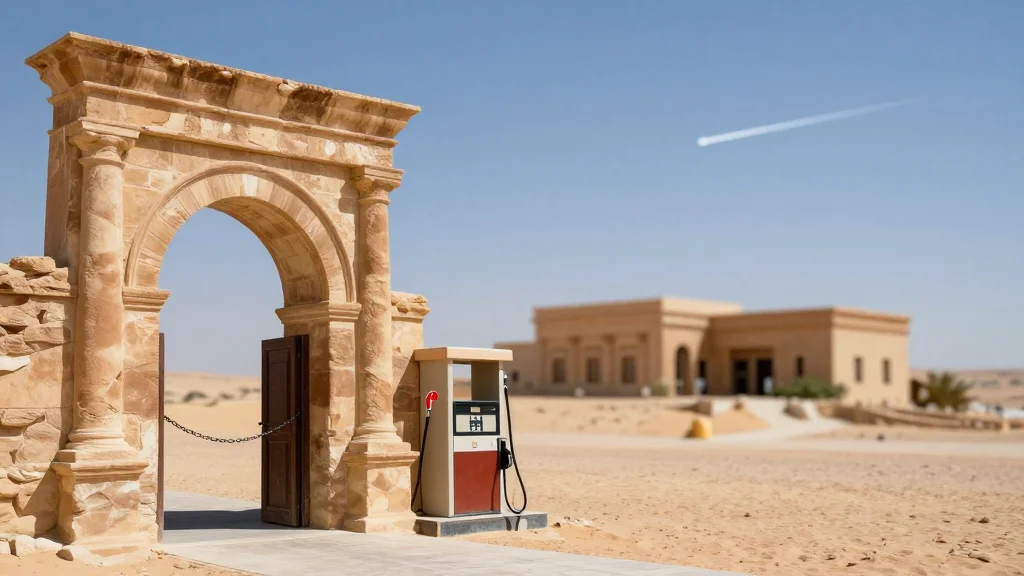
War‑Driven Curfews Slash Tourism in Egypt and Jordan, Visitor Numbers Plummet

Why It Matters
The sharp contraction in Egypt’s and Jordan’s tourism sectors threatens the economic stability of two countries that rely heavily on visitor spending for GDP growth and employment. For travelers, the curfews and security alerts raise safety concerns and limit the range of activities available, prompting itinerary changes and cancellations. The downturn also pressures regional airlines, hotels, and ancillary services, potentially leading to broader job losses and reduced foreign exchange earnings. In the longer term, sustained disruptions could erode the brand appeal of the Middle East as a safe and vibrant travel destination, giving competitors in North Africa and the Gulf an advantage. Monitoring how quickly tourism rebounds will be a key indicator of regional resilience to geopolitical shocks.
Key Takeaways
- •Egypt imposes 9 p.m. curfew for shops and eateries to cut fuel use amid Iran‑related war.
- •Jordan records only ~2,000 tourists at Petra during post‑Ramadan holiday weeks.
- •Egypt’s tourism sector handled 19 million visitors in 2025, now facing early declines.
- •Small‑business owner Diyaa Masoud reports revenue loss of 33‑50 % after curfew.
- •Around 30 % of Egyptians live on under $2 daily, heightening economic vulnerability.
Pulse Analysis
The twin shocks of energy‑saving curfews in Egypt and security alerts in Jordan illustrate how quickly regional conflicts can cascade into the travel ecosystem. Historically, both nations have leveraged their archaeological assets to attract high‑value tourists, but the current environment forces a shift toward risk‑averse behavior. Airlines may respond by reducing capacity to Cairo and Amman, while hotels could offer deeper discounts to fill rooms, eroding profit margins.
From a strategic perspective, the curfews could unintentionally accelerate a longer‑term shift toward daytime‑only tourism experiences, prompting operators to redesign itineraries around daylight hours. In Jordan, the perception of missile threats may push travel agencies to bundle Petra with safer inland destinations, or to promote alternative heritage sites in neighboring countries such as Saudi Arabia’s Al‑Ula. The competitive dynamics will likely favor destinations that can quickly certify safety and maintain consistent operating hours.
Looking forward, the resilience of Egypt’s and Jordan’s tourism sectors will hinge on three variables: the duration of fuel price volatility, the de‑escalation of regional hostilities, and the agility of local businesses to adapt service models. If the curfews are lifted and security stabilizes within the next quarter, a modest rebound is plausible, especially given the strong baseline demand evidenced by last year’s 19 million arrivals in Egypt. However, prolonged uncertainty could push travelers to permanently re‑route, reshaping the Middle East’s tourism map for years to come.
War‑Driven Curfews Slash Tourism in Egypt and Jordan, Visitor Numbers Plummet
Comments
Want to join the conversation?
Loading comments...