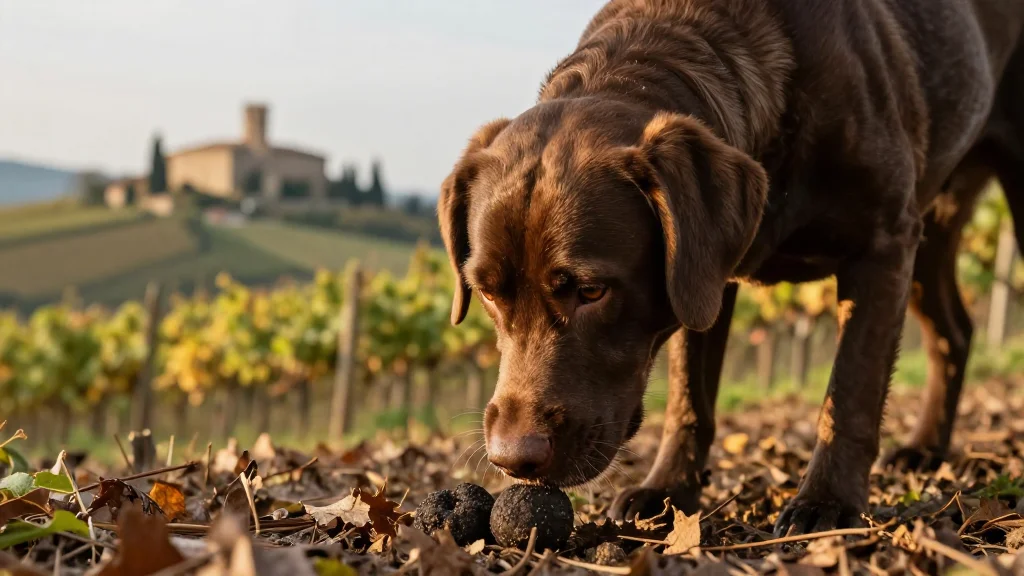
What It’s Actually Like To Go Truffle Hunting In Tuscany
Why It Matters
The experience showcases how immersive, farm‑to‑table tourism can deepen visitor engagement and drive premium revenue for regional agritourism operators.
Key Takeaways
- •Truffle hunts use trained dogs to locate underground fungi
- •Castelfalfi offers guided hunts across 1,100 hectares of estate
- •Seasonal regulations dictate species and collection periods
- •Experience links food, agriculture, and Tuscan cultural heritage
- •Guests gain deeper appreciation beyond dining on truffles
Pulse Analysis
Experiential travel is reshaping luxury tourism, and niche activities like truffle hunting are at the forefront of this shift. Tuscany’s reputation for fine food and wine makes it a natural backdrop for hands‑on experiences that go beyond passive sightseeing. By inviting guests into the forest to work alongside expert handlers and scent‑trained dogs, estates such as Castelfalfi turn a traditional culinary ingredient into a story‑driven adventure that appeals to affluent travelers seeking authenticity and education.
The success of a truffle hunt hinges on the symbiotic relationship between the dogs, the soil and regional regulations. Trained canines such as Mosca and Bianca can detect the faint aroma of mycorrhizal fungi that humans cannot, allowing for precise, low‑impact harvesting. Local authorities enforce seasonal calendars and licensing exams to protect wild truffle populations, ensuring sustainability while preserving the economic value of this high‑priced commodity. This regulatory framework not only safeguards the ecosystem but also adds an element of exclusivity that premium guests are willing to pay for.
Integrating the hunt with Castelfalfi’s broader agritourism portfolio amplifies its commercial appeal. The estate’s vineyards, olive groves and honey production provide a seamless farm‑to‑table narrative that culminates in a tasting menu featuring the freshly unearthed truffles. Such vertical integration creates multiple revenue streams—from guided tours and culinary workshops to product sales—while reinforcing the brand’s image as a steward of Tuscan heritage. As demand for immersive, locally rooted experiences grows, more estates are likely to adopt similar models, positioning truffle hunting as a cornerstone of high‑end rural tourism.
What It’s Actually Like To Go Truffle Hunting In Tuscany
Comments
Want to join the conversation?
Loading comments...