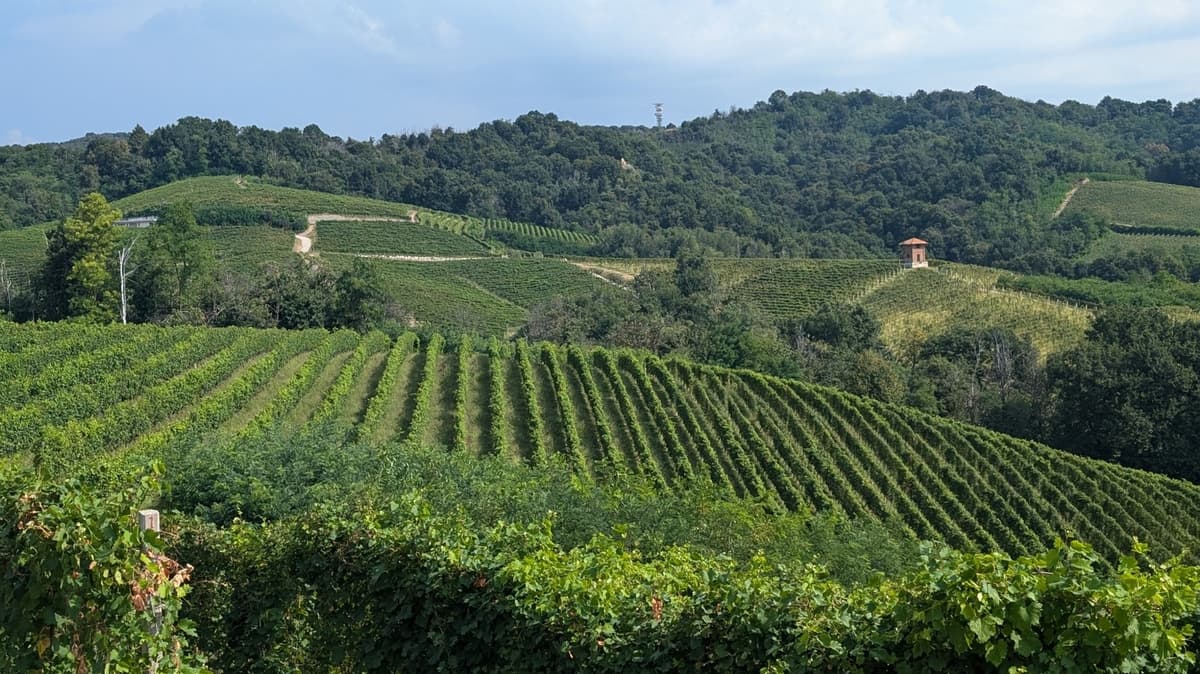
Why Alto Piemonte Should Be Your Next Wine Region Trip According To A Sommelier And A Chef
Why It Matters
The resurgence positions Alto Piemonte as a new destination for wine tourists and offers importers a high‑quality, value‑driven alternative to established Piedmont labels, reshaping the premium red market.
Key Takeaways
- •Alto Piemonte's Nebbiolo offers softer tannins than Barolo
- •Proprieta Sperino's Lessona Riserva praised alongside Burgundy pinot noirs
- •Le Piane's Boca Riserva ages well and includes Croatina
- •Gattinara remains the most intact DOCG vineyard area
- •Wines are priced affordably and available in U.S. retail
Pulse Analysis
Alto Piemonte’s comeback reflects a broader trend of rediscovering lesser‑known terroirs. Decades of harsh weather and demographic shifts once threatened the region’s vineyards, but a combination of favorable micro‑climates, limestone‑rich soils, and renewed investment has revived its Nebbiolo vines. Compared with Barolo, the local Spanna displays a more restrained tannic profile and pronounced minerality, appealing to consumers seeking elegance without the intensity of traditional Piedmont powerhouses. This nuanced style is attracting both connoisseurs and casual drinkers, expanding the market for high‑quality, mid‑price Italian reds.
Key producers are anchoring the revival. Proprieta Sperino’s eight‑hectare estate has earned accolades for its Lessona Riserva, often likened to top‑tier Burgundy pinot noirs. Le Piane, under Swiss‑born winemaker Christoph Künzli, blends classic Boca Riserva with the lesser‑known Croatina, offering a versatile aging potential. Historic houses such as Antoniolo and Travaglini in Gattinara preserve DOCG status, ensuring rigorous standards while delivering structured, juicy Nebbiolo that stands out in blind tastings. Their success signals confidence among investors and encourages younger vintners to reclaim marginal lands, further diversifying Piemonte’s wine portfolio.
Culinary pairings and experiential travel amplify the region’s appeal. Chef Alice Delcourt emphasizes the wines’ ability to complement simple, protein‑rich dishes—roasted pork neck or cabbage with horseradish—without overwhelming the palate. The Gather Experiences program curates private retreats, allowing visitors to taste wines directly from the source while enjoying farm‑to‑table cuisine. With many Alto Piemonte bottles now stocked at U.S. retailers and online platforms, the region offers an affordable entry point to premium Italian reds, positioning it for sustained growth as both a tourist hotspot and a strategic import focus.
Why Alto Piemonte Should Be Your Next Wine Region Trip According To A Sommelier And A Chef
Comments
Want to join the conversation?
Loading comments...