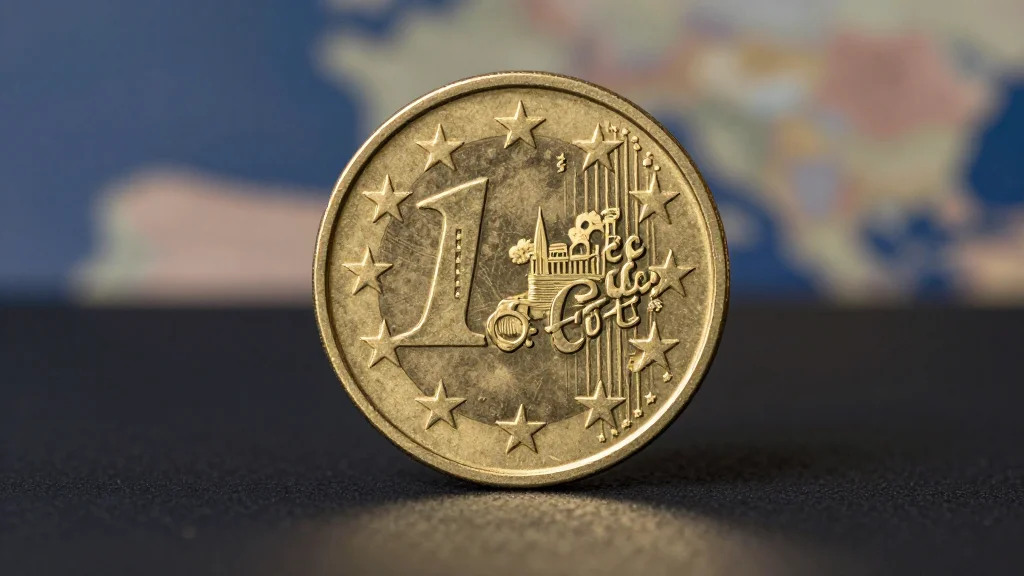
Europe Is Pouring Tens of Billions of Public Money Into VC. The Hard Part Is Making It Work
Companies Mentioned
Why It Matters
The funding could reshape Europe’s tech ecosystem, either unlocking a new wave of global‑scale companies or crowding out private capital and entrenching market inefficiencies.
Key Takeaways
- •EIF launches €15 bn ETCI 2 fund aiming to unlock €80 bn for scale‑ups
- •Germany's WIN and France's Tibi together target €19 bn by 2030
- •Europe’s VC market still 78% smaller than US, especially at growth stage
- •Talent, market fragmentation, and low profitability remain biggest scaling hurdles
- •Public funds risk crowding out private investors if “additionality” fades
Pulse Analysis
The European Union has embarked on an unprecedented capital‑raising campaign to bolster its venture ecosystem. By aggregating roughly $86 billion in public and leveraged funds—through the EIF’s €15 bn ETCI 2 vehicle, Germany’s WIN programme, France’s Tibi initiative, the Scaleup Europe Fund and the European Innovation Council—the bloc hopes to bridge a financing chasm that leaves European scale‑ups vastly under‑funded compared with their U.S. peers. The strategy mirrors a “fund‑of‑funds” approach, spreading capital across a hundred managers and targeting strategic sectors such as AI, quantum computing and biotech, with the explicit goal of unlocking up to €80 bn (≈$86 bn) in private follow‑on investment.
However, capital alone does not resolve the deeper structural impediments that have hamstrung European growth companies. A majority of founders cite talent acquisition and the fragmented single market—varying tax, regulatory and employment regimes across 27 states—as the primary scaling obstacle. Profitability remains elusive; only two of the continent’s ten most valuable startups are cash‑positive, and a striking 72% of early‑stage ventures operate with less than a year of runway. These fundamentals suggest that even a massive influx of public money could be absorbed by firms that lack the operational maturity to become globally competitive.
The real test will be whether public funds can act as a catalyst rather than a substitute for private capital. Early studies show public involvement can increase total investment, but the current scale—public money now representing roughly a quarter of Europe’s €66 bn (≈$71 bn) annual VC market—risks crowding out market‑driven decision‑making and eroding the discipline that private investors bring. If the new programmes deliver strong returns, they may shift the risk‑averse culture of European pension funds and insurers, creating a self‑sustaining venture ecosystem. Conversely, without parallel reforms to talent mobility, market integration and fiscal incentives, the €80 bn infusion could simply inflate valuations without producing the scale‑up champions needed to rival U.S. tech giants.
Europe is pouring tens of billions of public money into VC. The hard part is making it work
Comments
Want to join the conversation?
Loading comments...