7 Tips To Optimize Your Walks & Improve Healthspan All At Once
Why It Matters
Optimizing walking mechanics and timing amplifies a free, universally accessible activity into a powerful tool for disease prevention and metabolic health, reshaping how individuals and wellness programs approach daily movement.
Key Takeaways
- •Swing arms naturally to boost rotational energy and endurance
- •Keep spine tall to lengthen stride and enhance free-return momentum
- •Light heel strike and roll foot to improve shock absorption
- •Walk briskly 130‑135 steps/min for cardio and cancer risk reduction
- •Add 15‑minute post‑meal walk to lower blood‑sugar spikes
Pulse Analysis
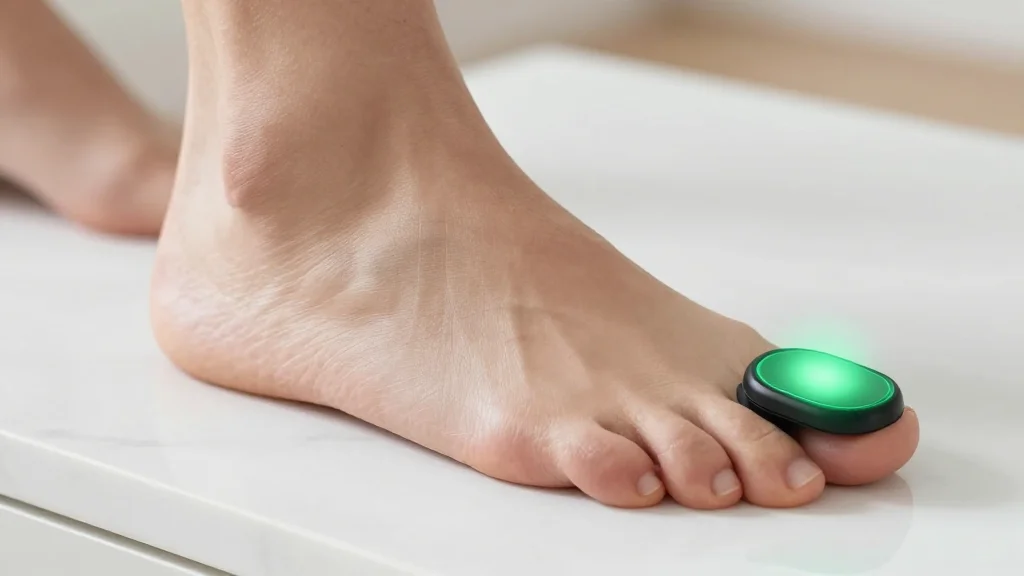
Walking is often dismissed as a low‑intensity activity, yet recent research and expert guidance reveal it as a cornerstone of preventive health. By treating gait as a physiological system—where arm swing, spinal alignment, and foot roll generate kinetic efficiency—individuals can extract more energy from each step. This biomechanical perspective aligns with emerging trends in digital health, where wearables track cadence and posture, allowing users to fine‑tune their stride in real time. Conley’s emphasis on natural rotation and tall posture mirrors findings that even modest adjustments can reduce joint stress and improve overall mobility.
Beyond mechanics, the intensity and timing of walks drive measurable health outcomes. A brisk pace of roughly 130‑135 steps per minute pushes heart rate into zone 2, a sweet spot linked to improved aerobic capacity and lowered incidence of several cancers, according to longitudinal studies. Adding a weighted vest or hill intervals can further amplify cardiovascular strain without requiring a gym membership. Meanwhile, a short 15‑minute walk after meals leverages post‑prandial glucose spikes, pairing muscular uptake with pancreatic function to blunt blood‑sugar excursions—a strategy gaining traction among endocrinologists and nutritionists alike.
For practitioners and employers, translating these insights into habit‑forming programs is increasingly feasible. Simple tools such as walking poles, posture cues, and step‑rate alerts can be integrated into corporate wellness platforms or tele‑health coaching. As the wellness industry leans into data‑driven, low‑cost interventions, optimized walking stands out as a scalable solution that delivers measurable returns on health investment, reinforcing its role as a foundational pillar of longevity and performance.
7 Tips To Optimize Your Walks & Improve Healthspan All At Once
Comments
Want to join the conversation?
Loading comments...