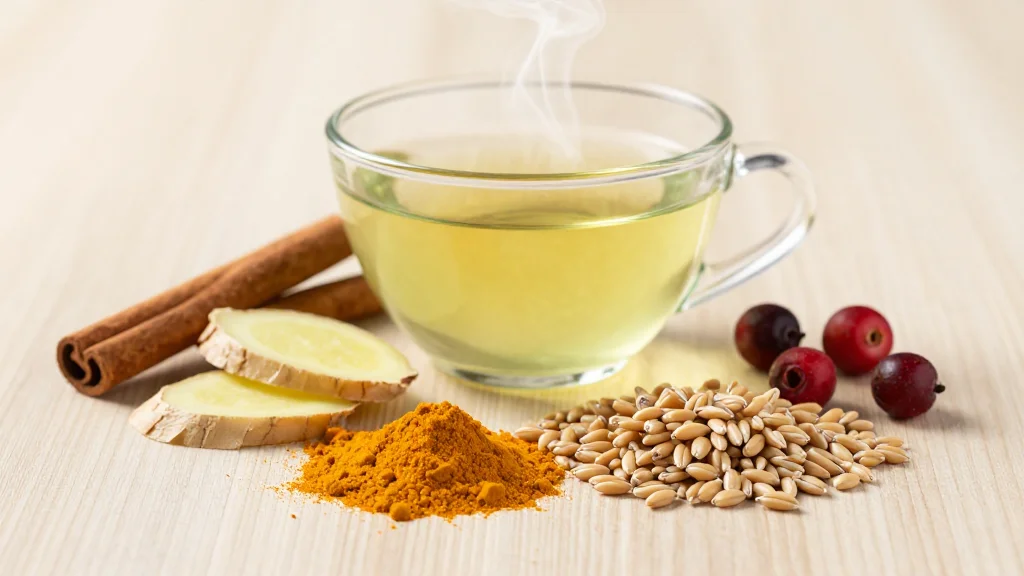
7 Ways To Naturally Boost GLP-1 Production & Improve Metabolism
Why It Matters
Natural GLP‑1 enhancers expand affordable, tolerable options for weight and glucose management, addressing gaps in access and patient preference. Their integration could personalize metabolic care and reduce reliance on costly pharmaceuticals.
Key Takeaways
- •Berberine activates AMPK, raising GLP‑1 secretion
- •Cinnamon extract stimulates gut bitter‑taste receptors
- •Ginger’s gingerol boosts GLP‑1 release pathways
- •Green tea polyphenols enhance GLP‑1 activity post‑fermentation
- •Quercetin‑rich foods increase GLP‑1 sensitivity
Pulse Analysis
The surge in GLP‑1‑based drugs has reshaped obesity and diabetes treatment, yet high costs and side‑effects leave many patients searching for alternatives. Researchers are now turning to nutrition science, probing whether everyday ingredients can nudge the same hormonal pathways. By aggregating decades of animal and human studies, the Toxicology Reports review provides a roadmap of bioactive compounds that modestly elevate endogenous GLP‑1, offering a complementary strategy for those hesitant to start injectable therapy.
Key natural candidates—berberine, cinnamon, ginger, green tea, curcumin, wheat protein, and quercetin‑laden produce—operate through diverse mechanisms. Berberine and curcumin activate cellular energy sensors like AMPK, while cinnamon and ginger engage bitter‑taste receptors in the gut to trigger hormone release. Fermented tea compounds and wheat‑derived peptides further sensitize GLP‑1 receptors, amplifying satiety signals. These actions collectively slow gastric emptying, enhance insulin secretion, and curb post‑prandial glucose spikes, mirroring the metabolic benefits of pharmaceutical analogues, albeit at lower magnitude.
For clinicians and health‑focused consumers, the implications are twofold. First, incorporating these foods into a balanced diet can provide a low‑cost, low‑risk adjunct to conventional treatment, potentially improving adherence and outcomes for patients who cannot afford or tolerate injections. Second, the emerging evidence invites deeper clinical trials to quantify dosage, synergistic effects, and long‑term safety. As the market for natural metabolic aids expands, regulators and insurers may soon recognize scientifically backed nutraceuticals as viable components of personalized diabetes and weight‑management programs.
7 Ways To Naturally Boost GLP-1 Production & Improve Metabolism
Comments
Want to join the conversation?
Loading comments...