A Healthy Diet May Still Make a Difference for People at Higher Risk of Dementia
Why It Matters
The findings suggest that dietary modifications can still influence brain health after early disease markers appear, offering a potentially actionable strategy for at‑risk older adults. This could shape preventive guidelines and public‑health messaging around dementia.
Key Takeaways
- •Healthier diets linked to lower dementia risk in older adults
- •Anti‑inflammatory eating reduced risk up to 30% for high‑biomarker individuals
- •Mediterranean and guideline‑based diets helped those with lower biomarker levels
- •Study followed 1,900 Swedes 60+ for up to 15 years
- •Observational design cannot prove causation between diet and dementia
Pulse Analysis
Dementia, a leading cause of disability among seniors, often begins its pathological cascade long before clinical symptoms emerge. Recent advances in blood‑based biomarkers—such as amyloid‑beta fragments, neurofilament light chain, and markers of oxidative stress—allow researchers to identify individuals with early, subclinical brain changes. While genetics and cardiovascular health have long been recognized as risk factors, the role of modifiable lifestyle elements, particularly nutrition, remains a hotly debated topic. Understanding whether diet can alter the trajectory of disease after biomarkers turn positive is crucial for developing timely interventions.
The Swedish cohort study followed 1,900 participants aged 60+ for up to 15 years, recording dietary intake through repeated questionnaires and monitoring dementia incidence via clinical assessments. Across three diet quality indices—Mediterranean adherence, general healthy‑eating guidelines, and dietary inflammatory index—the researchers observed a consistent inverse relationship between diet quality and dementia risk. Notably, participants with elevated biomarker levels who consumed low‑inflammatory diets experienced up to a 30 % relative risk reduction, highlighting inflammation as a plausible mechanistic link between nutrition and neurodegeneration.
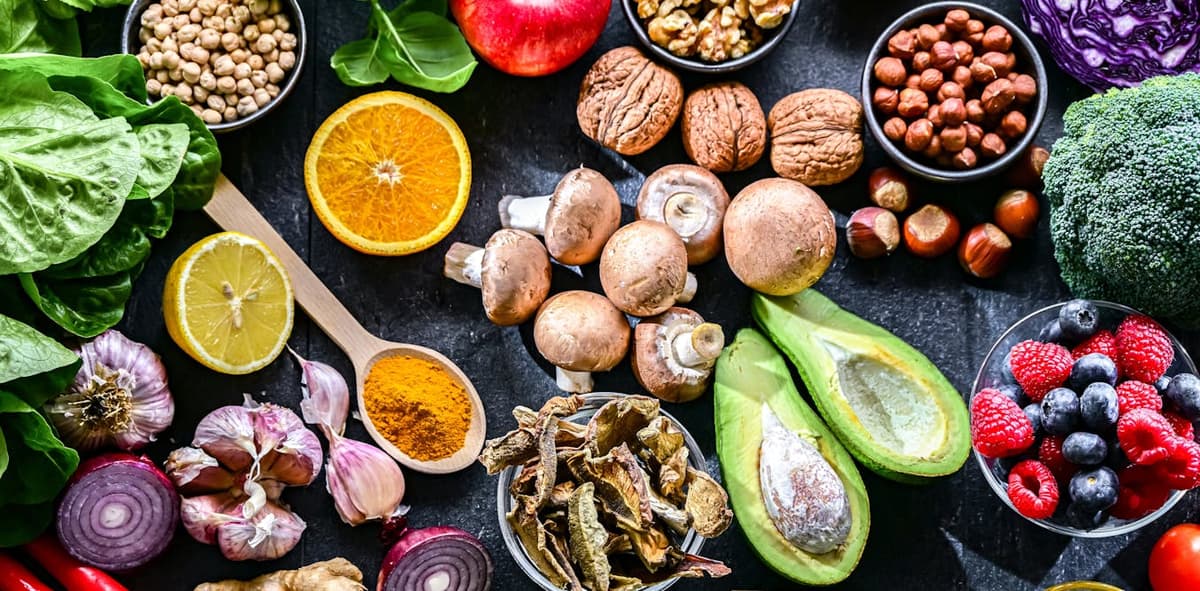
Although the observational design precludes definitive causal claims, the study adds weight to a growing body of evidence that anti‑inflammatory foods—vegetables, fruits, whole grains, legumes, tea, and coffee—may protect brain health even in the presence of early pathology. Clinicians and policymakers can leverage these insights to refine dietary recommendations for older adults, emphasizing inflammation‑lowering patterns alongside cardiovascular benefits. Future research should aim for randomized trials and biomarker‑driven dietary interventions to pinpoint the specific nutrients driving the protective effect, ultimately translating findings into precise, evidence‑based dementia‑prevention strategies.
A healthy diet may still make a difference for people at higher risk of dementia
Comments
Want to join the conversation?
Loading comments...