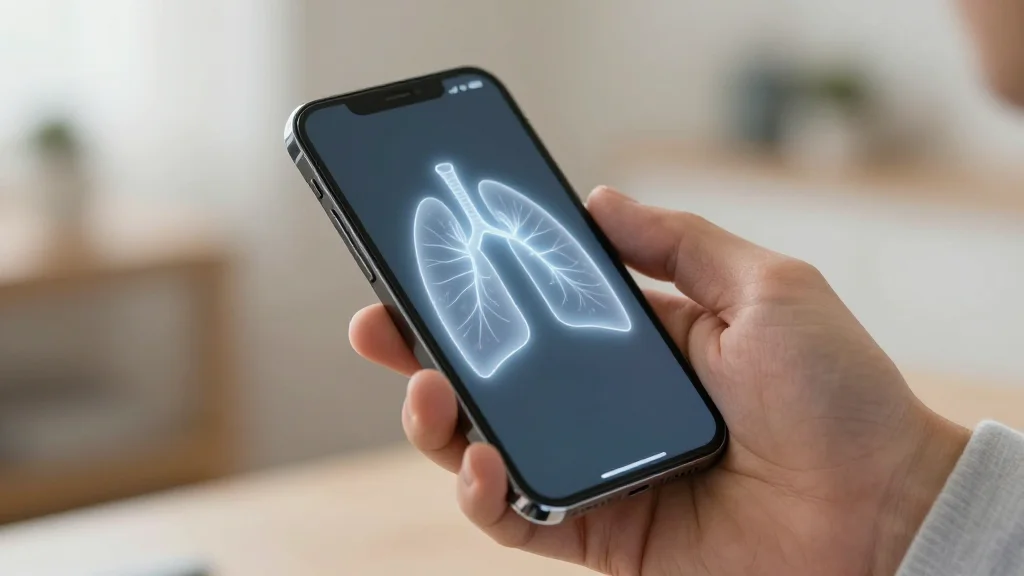
AI‑Powered App Boosts Home Time for Asthma and COPD Patients

Companies Mentioned
Why It Matters
The success of Intermountain Health’s AI app signals a turning point for the wellness industry, where data‑rich, clinically backed tools can directly influence health outcomes. By reducing emergency visits and enabling patients to manage symptoms at home, the technology promises both improved quality of life and lower systemic costs. Moreover, the model demonstrates how health systems can leverage AI to extend care beyond the clinic, fostering a more continuous, patient‑centered approach that could reshape reimbursement structures and regulatory frameworks. For consumers, the app offers a tangible example of how everyday wearables can be integrated into serious disease management, expanding the perceived value of wellness devices. For providers, it provides a new channel to monitor patients remotely, potentially easing the strain on overburdened respiratory clinics and allowing earlier interventions that prevent costly hospitalizations.
Key Takeaways
- •Intermountain Health and CareCentra launched an AI‑driven app for asthma and COPD patients after a two‑year pilot.
- •Patient Jill Bailey reports spending more time at home and fewer hospital visits thanks to the app.
- •Dr. Peter Crossno calls the tool "a digital twin in your pocket" that proactively prevents exacerbations.
- •Asthma affects ~8% of U.S. adults; COPD is a top‑10 cause of death, underscoring the market need.
- •The app could reduce respiratory‑related healthcare costs by up to 15% if broader adoption follows.
Pulse Analysis
The Intermountain initiative arrives at a moment when the wellness sector is scrambling to prove clinical relevance. Historically, fitness trackers and meditation apps have struggled to demonstrate measurable health outcomes beyond user engagement metrics. By embedding AI that interprets physiological data against environmental variables, the new app bridges that gap, offering a quantifiable reduction in acute events. This aligns with a growing investor appetite for digital therapeutics that can be reimbursed, a shift catalyzed by recent CMS policy updates that recognize remote patient monitoring as a billable service.
From a competitive standpoint, the app pits traditional health systems against tech‑first entrants like Apple and Google, which are also piloting AI health assistants. Intermountain’s advantage lies in its integrated care network and direct access to patient records, enabling a feedback loop that pure consumer platforms lack. However, scaling the solution will require robust data‑governance frameworks and clear pathways for FDA clearance, hurdles that have slowed similar ventures in the past.
If the forthcoming peer‑reviewed data confirm the anecdotal improvements reported by patients, we can expect insurers to negotiate value‑based contracts that tie reimbursement to reductions in emergency visits. Such arrangements could accelerate adoption across health systems, turning AI‑enhanced wellness apps from niche experiments into standard components of chronic‑care pathways. The ripple effect may also inspire parallel developments for other high‑prevalence conditions, cementing AI’s role as a cornerstone of the next generation of wellness technology.
AI‑Powered App Boosts Home Time for Asthma and COPD Patients
Comments
Want to join the conversation?
Loading comments...