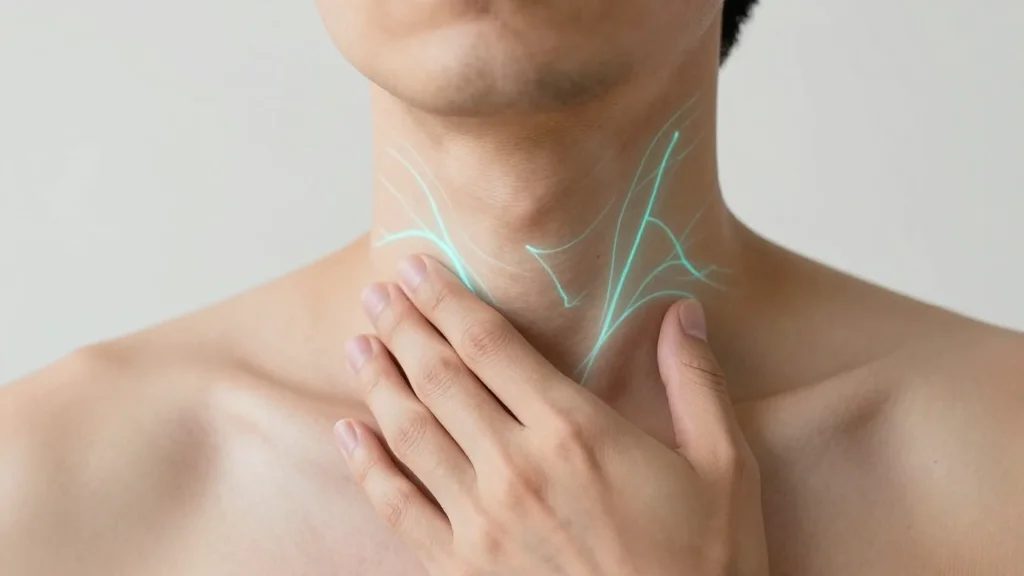
Are Vagal Nerve Stimulators a Scam?
Companies Mentioned
Why It Matters
Understanding the gap between clinically validated neurostimulation and influencer‑driven products helps investors, regulators, and consumers avoid costly misinformation and potential health hazards.
Key Takeaways
- •Influencers promote DIY vagus stimulators lacking FDA clearance.
- •FDA‑approved implants treat epilepsy and depression, not consumer wearables.
- •Market forecast predicts >$1 billion revenue for vagus tech by 2030.
- •Misleading claims risk consumer safety and regulatory scrutiny.
- •Legitimate devices require prescription or surgical implantation.
Pulse Analysis
The vagus nerve, often called the body’s "autonomic highway," links the brain to vital organs and modulates inflammation, heart rate, and digestion. In recent years, bioelectronic medicine has spotlighted vagus nerve stimulation (VNS) as a therapeutic avenue, leading to FDA‑approved implantable devices for refractory epilepsy and treatment‑resistant depression. These clinical tools deliver precisely calibrated pulses via surgically placed leads, a stark contrast to the low‑cost, battery‑powered wearables flooding social feeds.
Consumer enthusiasm for VNS stems from a broader wellness trend that equates electrical stimulation with quick fixes for sleep disturbances, stress, and cognitive fog. Influencers such as Kelly Ripa and Andrew Huberman have amplified this narrative, often blurring the line between evidence‑based practices—like deep breathing or humming, which naturally engage the vagus—and unproven gadgets that claim to “zap” the nerve. Regulatory bodies have repeatedly flagged many of these devices for lacking FDA clearance, highlighting concerns over inconsistent dosing, skin irritation, and potential interference with cardiac pacemakers.
Despite the scientific uncertainty, market analysts forecast a global VNS sector surpassing $1 billion by 2030, driven by both legitimate medical manufacturers and a burgeoning consumer‑tech segment. This growth presents opportunities for investors but also underscores the need for clearer guidelines and consumer education. Stakeholders—from venture capitalists to healthcare providers—must differentiate between clinically validated neurostimulation and hype‑driven products to safeguard public health and maintain market credibility.
Are Vagal Nerve Stimulators a Scam?
Comments
Want to join the conversation?
Loading comments...