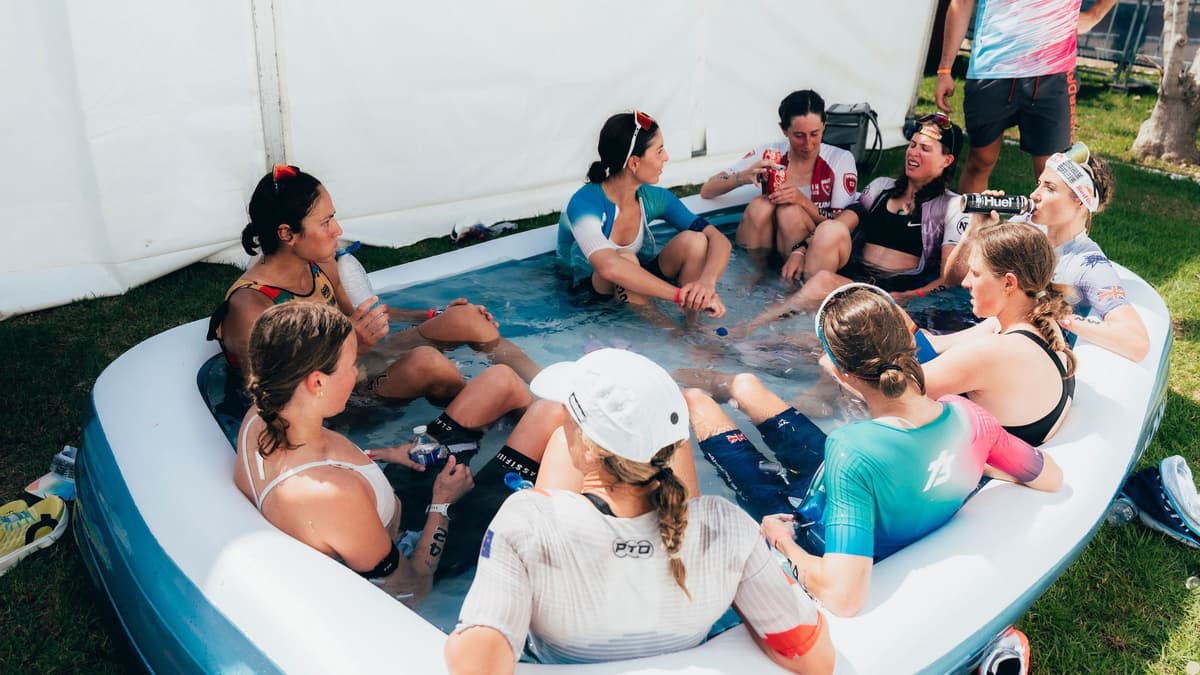
Cold Water Immersion for Triathletes: Science and Ice Bath Protocols
Why It Matters
Understanding CWI’s nuanced effects helps athletes avoid counterproductive recovery habits and informs coaches on evidence‑based protocols, potentially preserving long‑term performance gains.
Key Takeaways
- •Optimal CWI: 9‑12 °C for 10‑15 min improves endurance recovery
- •Frequent post‑resistance CWI may blunt strength and muscle gains
- •Research focuses on moderately active males; female data remains scarce
- •Timing and dosage of CWI lack consensus; individual trial essential
Pulse Analysis
The surge in cold‑water immersion among endurance athletes reflects a broader wellness trend, yet the science is still catching up. Since the early 2000s, researchers have documented modest short‑term benefits—reduced muscle soreness and inflammation—after isolated training sessions. However, many of those studies used homogeneous samples of moderately active men, leaving a gap in knowledge about how women, older athletes, or those with higher training volumes respond. This limited demographic scope means that commercial hype often outpaces peer‑reviewed evidence, prompting athletes to treat each ice bath as a personal experiment.
When it comes to performance adaptation, the distinction between resistance and endurance training is critical. Evidence indicates that regular CWI immediately after strength work can dampen hypertrophy and power gains, likely by blunting the inflammatory signaling needed for muscle remodeling. In contrast, post‑endurance CWI appears largely neutral, neither enhancing nor hindering aerobic adaptations. Timing also matters; emerging data suggest that delaying immersion—perhaps hours after a workout—might mitigate any negative impact, though definitive protocols remain elusive. As a result, coaches are advised to reserve ice baths for occasional use, especially after high‑intensity interval sessions where rapid recovery is essential.
Practical guidelines recommend water temperatures between 9 °C and 12 °C (48 °F‑54 °F) for 10‑15 minutes, a range most athletes find tolerable. Beginners should start with shorter exposures and partial immersion to avoid the cold‑shock response, which can spike heart rate and blood pressure. No specialized equipment is required— a standard bathtub filled with ice and cold tap water suffices. Importantly, the perceived benefits of CWI are partly placebo‑driven; athletes who believe in its efficacy often report better outcomes. Future research must broaden its participant pool, explore gender‑specific responses, and pinpoint optimal dosing schedules to turn anecdotal hype into reliable, evidence‑based practice.
Cold Water Immersion for Triathletes: Science and Ice Bath Protocols
Comments
Want to join the conversation?
Loading comments...