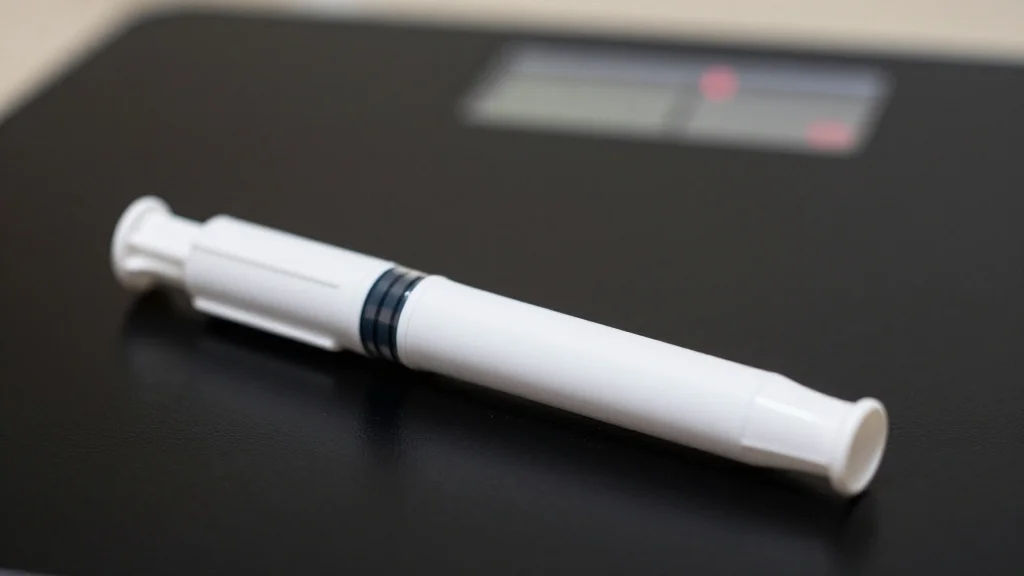
Doctors Warn GLP‑1 Weight‑Loss Drugs Fuel Rise in Eating‑Disorder Cases

Why It Matters
The rise of GLP‑1 misuse threatens to reverse decades of progress in eating‑disorder treatment by re‑introducing severe appetite suppression that undermines natural hunger cues. As these drugs become more visible in popular culture, the pressure on vulnerable individuals—especially adolescents—to achieve rapid weight loss intensifies, potentially increasing the prevalence of life‑threatening conditions such as anorexia nervosa. Beyond individual health, the trend raises broader public‑health questions about how prescription‑drug marketing, telehealth accessibility, and regulatory oversight intersect. If unchecked, the unchecked proliferation of GLP‑1s could strain mental‑health services, inflate healthcare costs, and erode trust in medical guidance for weight management.
Key Takeaways
- •Doctors report a sharp rise in GLP‑1 misuse among eating‑disorder patients.
- •An analysis estimates >420,000 Americans could develop an eating disorder from long‑term GLP‑1 use.
- •Patients are falsifying age, weight and health information to obtain drugs online.
- •FDA labels currently omit eating‑disorder risk, prompting calls for new warnings.
- •Professional societies plan to lobby for stricter prescribing rules and age verification.
Pulse Analysis
The GLP‑1 boom illustrates a classic case of market hype outpacing clinical safeguards. When semaglutide‑based drugs entered the weight‑loss arena, their dramatic efficacy eclipsed the modest side‑effect profile that had been acceptable for diabetes patients. Yet the same pharmacologic potency that drives weight loss also hijacks the brain’s hunger pathways, a mechanism that mirrors the neurobiology of anorexia. This overlap was predictable, but the regulatory response has lagged.
Historically, new weight‑loss agents have faced backlash once off‑label misuse surfaced—think of the fen‑fen and ephedra episodes of the early 2000s. The GLP‑1 story differs because the drugs are already embedded in mainstream prescribing, and telehealth platforms have lowered the barrier to acquisition. The current wave of misuse is less about illicit diversion and more about a cultural shift that normalizes extreme thinness as a purchasable commodity. The medical community’s challenge is two‑fold: protect patients from iatrogenic harm while preserving access for those with genuine metabolic disease.
Looking ahead, the most consequential lever will be policy. If the FDA mandates explicit eating‑disorder warnings and enforces age‑verification protocols, the market may self‑correct as prescribers become more cautious. Conversely, without regulatory pressure, the trend could accelerate, compelling insurers and mental‑health providers to allocate additional resources for screening and treatment. The outcome will shape not only the future of GLP‑1 therapy but also the broader dialogue on how pharmaceutical innovation is balanced against public‑health responsibility.
Doctors Warn GLP‑1 Weight‑Loss Drugs Fuel Rise in Eating‑Disorder Cases
Comments
Want to join the conversation?
Loading comments...