FDA Approves First‑In‑Human Trial of Motif Neurotech’s Depression Brain Implant

Why It Matters
Motif Neurotech’s FDA‑cleared trial could redefine how clinicians address treatment‑resistant depression, a condition that affects millions and often leads to chronic disability. By offering a minimally invasive, programmable neuromodulation platform, the technology promises a scalable alternative to electroconvulsive therapy and implanted deep‑brain stimulators, which require more invasive surgery and extensive hospital stays. Beyond the immediate therapeutic promise, the approval signals a broader shift in regulatory attitudes toward brain‑computer interfaces for mental health. Successful outcomes could pave the way for a pipeline of neuro‑tech solutions targeting anxiety, PTSD, and other psychiatric disorders, potentially reshaping the mental‑health care market and prompting insurers to reconsider coverage models for digital neuromodulation.
Key Takeaways
- •FDA grants first‑in‑human trial clearance for a depression‑focused BCI
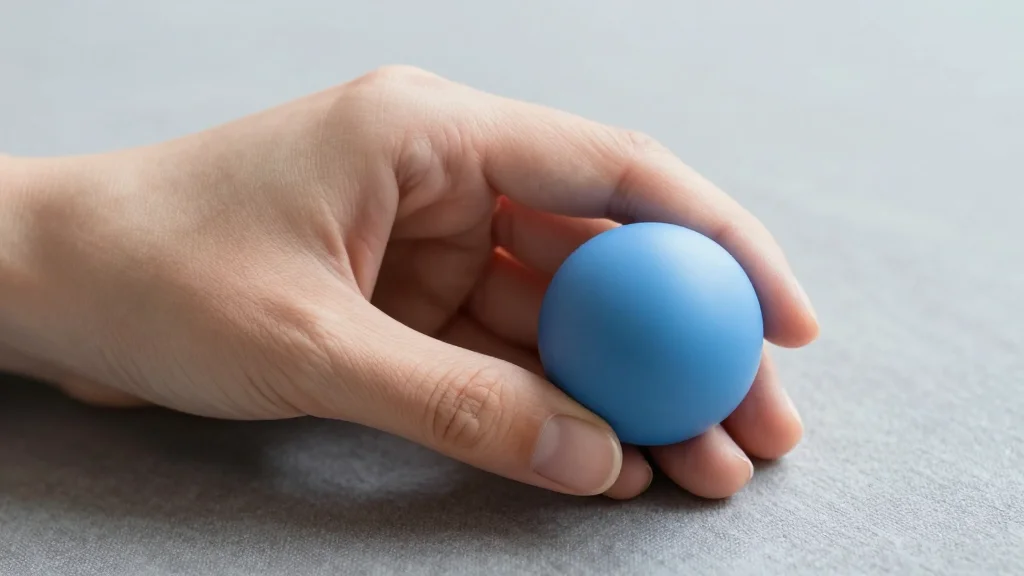
- •DOT implant is about the size of a blueberry and is wirelessly powered
- •Procedure can be done outpatient in 20‑30 minutes, avoiding skull opening
- •Motif aims to treat the roughly three million U.S. adults with treatment‑resistant depression
- •Success could launch a new class of digital neuromodulation therapies for mental health
Pulse Analysis
Motif Neurotech’s entry into the mental‑health arena arrives at a convergence of three trends: rising demand for rapid‑onset depression treatments, rapid advances in wireless neuromodulation, and a regulatory environment increasingly comfortable with digital therapeutics. Historically, neuromodulation for mood disorders has been dominated by invasive deep‑brain stimulation (DBS) systems, which require craniotomies and carry significant procedural risk. Motif’s approach—leveraging magnetoelectric stimulation that can be delivered through a thin dura‑placed device—offers a less invasive alternative that could lower both cost and patient hesitancy.
From an investment perspective, the approval may act as a catalyst for capital inflows into the neuro‑tech sector. Venture firms have poured over $2 billion into BCI startups in the past two years, but most of that money has been earmarked for motor‑control applications. A successful depression trial would diversify the market narrative, attracting investors focused on mental‑health outcomes and potentially prompting larger pharmaceutical players to explore partnership or acquisition opportunities. However, the path forward is not without hurdles; long‑term safety data, device durability, and the ethical management of brain‑data will be scrutinized by both regulators and the public.
Clinically, the trial could shift treatment algorithms if the device demonstrates rapid symptom relief comparable to electroconvulsive therapy but with a more favorable side‑effect profile. That would give psychiatrists a new tool that bridges the gap between pharmacotherapy and invasive neurosurgery. As the trial progresses, the industry will watch closely for signals on efficacy, patient adherence to the wearable cap, and any adverse events, all of which will inform the scalability of BCI‑based mental‑health interventions.
FDA Approves First‑In‑Human Trial of Motif Neurotech’s Depression Brain Implant
Comments
Want to join the conversation?
Loading comments...