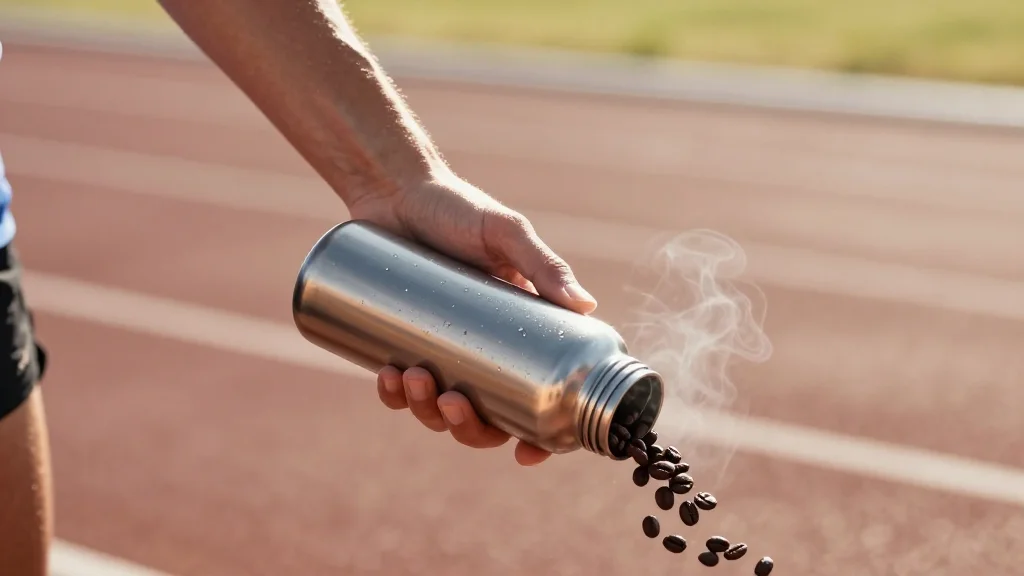
Feeling Drained During Hot Workouts? Drinking This Beforehand Can Help
Why It Matters
The findings give athletes and the fitness industry a science‑backed tool to maintain performance in hot conditions, while highlighting dosage and safety considerations essential for widespread adoption.
Key Takeaways
- •6 mg/kg caffeine eliminated heat‑induced performance drop.
- •Higher caffeine dose improved lung ventilation and VO₂ peak.
- •Perceived exertion decreased only with 6 mg/kg caffeine.
- •Recommended intake: 60 min before workout; start with 3 mg/kg.
- •Hydration remains essential due to caffeine’s mild diuretic effect.
Pulse Analysis
The recent double‑blind trial involving 17 trained athletes provides concrete evidence that caffeine can offset the physiological strain of exercising in hot environments. Participants performed four treadmill sessions at 76 °F and 92 °F, ingesting either a placebo, 3 mg/kg, or 6 mg/kg of caffeine 60 minutes before the workout. The higher dose fully neutralized the typical decline in endurance time, improved pulmonary ventilation, and raised VO₂ peak, while the moderate dose offered modest gains. These findings confirm caffeine’s dual role as a metabolic stimulant and a central‑nervous‑system fatigue blocker.
For the fitness industry, the data validates the growing market for caffeine‑based pre‑workout formulas, especially those targeting outdoor and endurance athletes. A 6 mg/kg dose translates to roughly 400 mg of caffeine for a 150‑pound individual—about four to five strong cups of coffee—suggesting that a single serving of a high‑caffeine supplement can deliver comparable benefits without the volume of liquid. However, the study also warns of individual variability; caffeine‑sensitive users should begin at 3 mg/kg or less and monitor heart rate, sleep, and gastrointestinal response.
Heat stress remains a major performance limiter, and the study underscores that caffeine alone is not a silver bullet. Proper hydration, electrolyte balance, and acclimatization are still prerequisites for safe training in temperatures near 92 °F. As personalized nutrition gains traction, coaches may incorporate timed caffeine dosing into periodized training plans, adjusting for genetics and tolerance. Future research could explore gender differences, long‑term adaptation, and the interaction between caffeine and other ergogenic aids, shaping evidence‑based guidelines for athletes seeking a competitive edge in the heat.
Feeling Drained During Hot Workouts? Drinking This Beforehand Can Help
Comments
Want to join the conversation?
Loading comments...