Google Advances AI‑Driven Wearable While Researchers Unveil Clinical‑Grade Fatigue Sensor

Companies Mentioned
Why It Matters
The two initiatives illustrate how AI is moving beyond fitness tracking to address mental and cognitive health, areas traditionally underserved by consumer wearables. By delivering clinically validated fatigue detection, the research prototype could reduce workplace accidents and inform preventive health policies. Google’s conversational assistant, if realized, may redefine user interaction with health data, lowering barriers to sustained engagement and potentially improving outcomes for millions seeking holistic wellness guidance. Both projects also foreground data‑privacy debates. As wearables collect increasingly granular biometric information, regulators and consumers will demand transparent data handling, shaping the future of health‑tech business models and influencing investment in privacy‑preserving AI architectures.
Key Takeaways
- •Google is developing a screen‑less wearable paired with Gemini AI for conversational health coaching.
- •The device aims to integrate multiple biometric signals into prescriptive wellness advice.
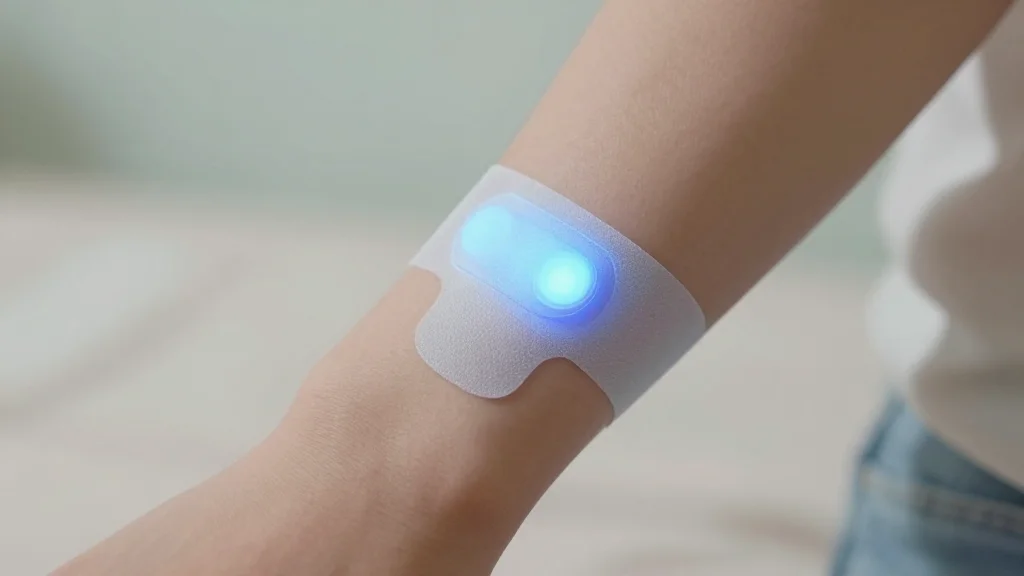
- •Researchers have created a hydrogel‑based sensor that detects mental fatigue and stress with clinical accuracy.
- •The fatigue sensor distinguishes cognitive strain from physical exertion using AI‑driven multi‑signal analysis.
- •Privacy and baseline personalization are identified as key challenges for both technologies.
Pulse Analysis
The convergence of AI and sensor tech in wellness is moving from novelty to necessity. Google’s approach leverages its massive AI infrastructure to create a user experience that eliminates the need for constant visual checks, addressing the “data fatigue” problem that has limited long‑term adoption of wearables. By embedding the assistant in a discreet form factor, Google is betting on a future where health insights are delivered as a seamless part of daily conversation, a shift that could broaden the market beyond fitness enthusiasts to older adults and chronic‑condition patients who prefer low‑maintenance devices.
Meanwhile, the academic fatigue sensor demonstrates that clinical‑grade monitoring is no longer confined to labs. Its hydrogel interface solves a long‑standing engineering hurdle—motion‑induced noise—making continuous, real‑world data collection viable. If the baseline personalization challenge is solved, the technology could become a standard safety tool in sectors where human alertness is critical, prompting a new regulatory category for occupational health wearables.
Together, these developments signal a bifurcation in the wellness wearables market: one path led by tech giants focusing on consumer engagement and holistic coaching, the other driven by research institutions targeting precise, clinically validated metrics for safety and health outcomes. Companies that can bridge these paths—offering both engaging user experiences and rigorous clinical validation—are likely to capture the next wave of growth in the wellness ecosystem.
Google Advances AI‑Driven Wearable While Researchers Unveil Clinical‑Grade Fatigue Sensor
Comments
Want to join the conversation?
Loading comments...