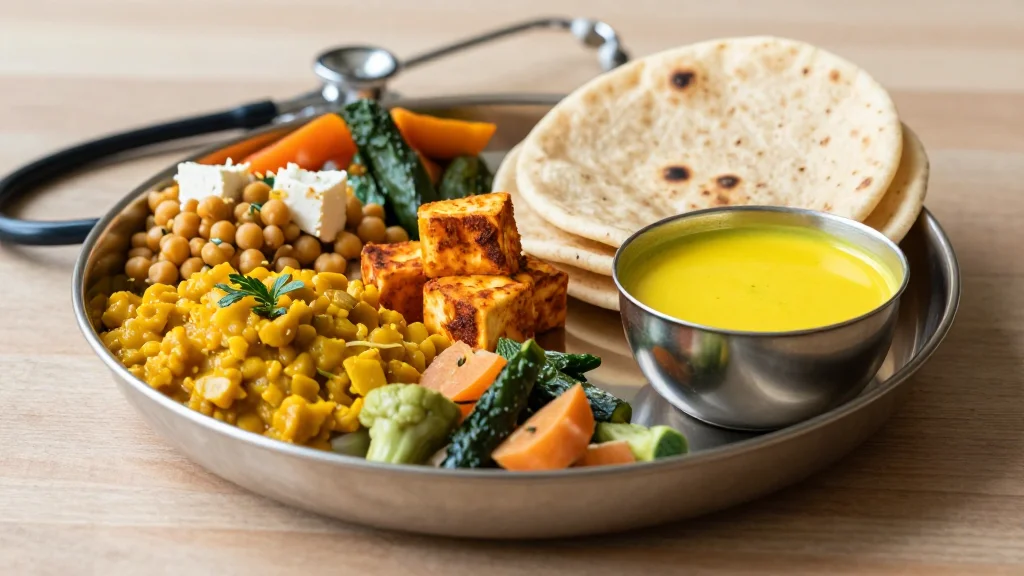
Madhavbaug Launches FoodRx, Prescribing Traditional Thali Meals as Medicine

Why It Matters
FoodRx exemplifies a shift from reactive, pill‑centric care to proactive, nutrition‑first strategies in a country battling a massive lifestyle‑disease burden. By grounding a traditional diet in clinical evidence, Madhavbaug bridges Ayurveda and modern medicine, offering a scalable model that could lower healthcare costs and improve population health. If successful, the program may inspire similar prescription‑based nutrition initiatives, prompting insurers, policymakers and food manufacturers to rethink the role of diet in chronic disease management. The initiative also highlights the growing consumer appetite for wellness solutions that are both culturally resonant and scientifically validated. As Indian consumers become more health‑savvy, demand for evidence‑backed functional foods is likely to surge, creating new market opportunities and intensifying competition among traditional food producers and health‑tech startups alike.
Key Takeaways
- •Madhavbaug launches FoodRx, a prescription‑style thali program targeting metabolic disease prevention
- •Program draws on clinical data from over 1 million patients treated for diabetes, heart disease and obesity
- •Madhavbaug operates 350+ clinics and four hospitals, listed on the NSE
- •FoodRx is available at clinics, the company website and major e‑commerce platforms like Amazon and Flipkart
- •Pilot corporate wellness rollout planned for Q4 2026 in Mumbai and Bengaluru
Pulse Analysis
The FoodRx launch marks a pivotal moment in India's wellness ecosystem, where traditional dietary practices are being reframed through a clinical lens. Historically, Ayurveda has been positioned as a complementary or alternative therapy, often sidelined by mainstream allopathic providers. Madhavbaug’s strategy flips this narrative by using Ayurveda‑informed meals as a first‑line preventive tool, leveraging a massive patient database to claim efficacy. This data‑driven approach could set a new standard for wellness brands, forcing competitors to substantiate health claims with real‑world outcomes rather than marketing hype.
From a market perspective, FoodRx could catalyze a convergence of the health‑care and food‑service sectors. Insurers facing rising costs from chronic disease management may view prescription meals as a cost‑saving intervention, especially if early pilots demonstrate reduced medication usage. Simultaneously, food manufacturers may accelerate product lines that meet clinical criteria, blurring the line between nutrition and pharma. However, regulatory clarity will be crucial; without clear guidelines, FoodRx could encounter hurdles around health claims, labeling and reimbursement.
Looking ahead, the success of FoodRx will hinge on measurable health outcomes and scalability. If Madhavbaug can publish robust data showing reductions in HbA1c, blood pressure or weight among participants, it could unlock broader adoption across public health programs and corporate wellness schemes. Conversely, failure to demonstrate tangible benefits may reinforce skepticism toward food‑based prescriptions. Either way, FoodRx is likely to influence how investors, policymakers and consumers view nutrition as a therapeutic modality in India’s fight against lifestyle diseases.
Madhavbaug Launches FoodRx, Prescribing Traditional Thali Meals as Medicine
Comments
Want to join the conversation?
Loading comments...