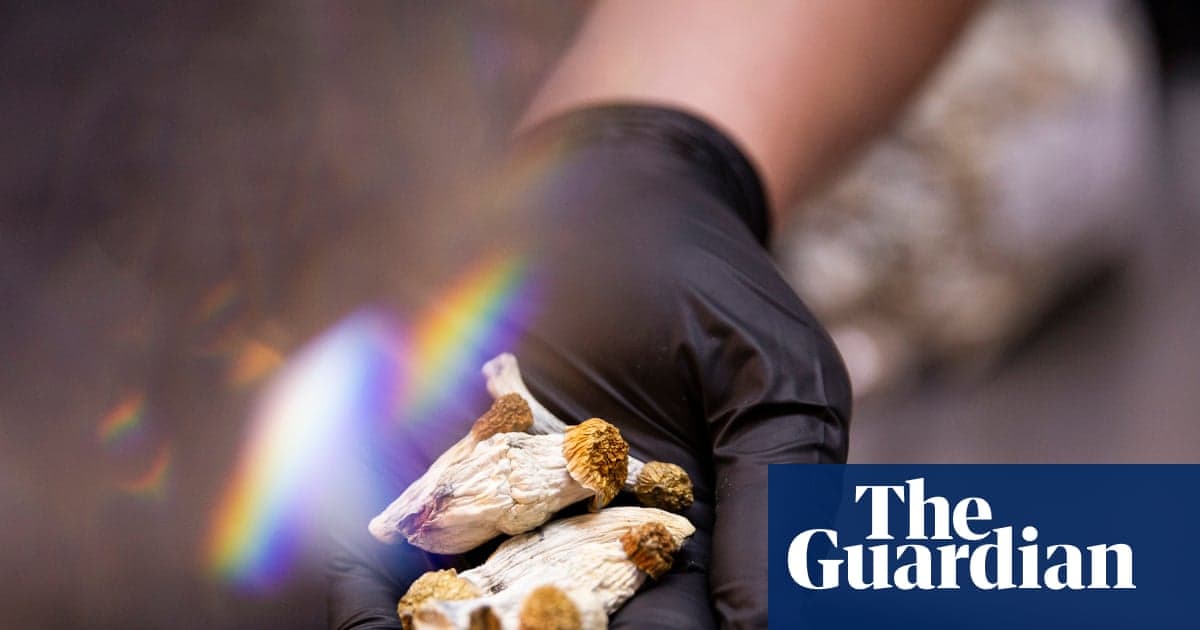
Magic Mushrooms Could Be Effective Treatment for Cocaine Addiction, Study Shows
Why It Matters
The trial offers a potential first‑in‑class treatment for a disorder that currently lacks approved drugs, which could lower relapse rates and associated criminal‑justice costs. Demonstrating efficacy in a diverse cohort also strengthens the case for broader, inclusive research.
Key Takeaways
- •Single-dose psilocybin increased abstinence rates vs placebo in cocaine trial
- •Study enrolled 19 psilocybin and 17 placebo participants, all Black-majority
- •No FDA-approved medications exist for cocaine-use disorder currently
- •Psilocybin acts as a therapeutic catalyst, not a maintenance drug
- •Trial recruited participants seeking to quit cocaine, reducing expectation bias
Pulse Analysis
The United States is confronting a surge in stimulant‑related mortality, with cocaine overdoses climbing despite limited pharmacologic options. Currently, no FDA‑approved medication addresses cocaine‑use disorder, leaving clinicians to rely on behavioral interventions that achieve modest success. The recent JAMA Network Open trial, led by University of Alabama at Birmingham, offers a rare glimpse of a biologically driven solution: a single oral dose of psilocybin produced higher abstinence rates than a diphenhydramine placebo among 36 participants. This result revives interest in psychedelic‑assisted therapy as a potential breakthrough for a market estimated at billions of dollars.
Psilocybin’s therapeutic promise stems from its ability to transiently boost neuroplasticity and disrupt entrenched cognitive patterns, a mechanism distinct from traditional agonist‑replacement drugs such as methadone or nicotine patches. In the study, participants received structured psychotherapy to integrate the acute psychedelic experience, turning a brief altered state into a catalyst for lasting behavioral change. Unlike maintenance medications that require daily dosing, the single‑session model reduces pill burden and side‑effect risk, while targeting the psychological drivers of cocaine cravings—bad dreams, agitation, and depressive rumination.
The findings, though derived from a modest sample, pave the way for larger, multisite trials that could satisfy regulatory requirements and attract commercial investment. Notably, the trial’s majority‑Black cohort addresses longstanding diversity gaps in psychedelic research, suggesting that future studies can be both scientifically rigorous and demographically representative. If subsequent phases confirm efficacy, psilocybin could become the first approved pharmacologic option for stimulant addiction, reshaping treatment algorithms, reducing incarceration rates linked to cocaine use, and opening a new revenue stream for biotech firms specializing in psychedelic therapeutics.
Magic mushrooms could be effective treatment for cocaine addiction, study shows
Comments
Want to join the conversation?
Loading comments...