Navigated TMS Cuts Combat PTSD Symptoms for 85% in Landmark Trial

Why It Matters
Combat‑related PTSD remains a leading cause of disability among U.S. service members, affecting an estimated 500,000 veterans from the Iraq and Afghanistan wars alone. A treatment that can reliably reduce symptoms for the majority of patients would alleviate personal suffering, lower suicide risk, and decrease the economic burden on the Department of Defense and Veterans Affairs. Moreover, the trial demonstrates that advanced neurotechnology can be safely deployed in a residential setting, opening pathways for similar interventions in other trauma‑related disorders. Beyond the military, the success of navigated TMS could accelerate adoption of image‑guided neuromodulation across civilian mental‑health clinics, where treatment‑resistant depression and anxiety are also prevalent. By proving that precise, robot‑assisted stimulation can augment psychotherapy, the study may inspire a new generation of hybrid treatment protocols that blend behavioral and biological therapies for a range of psychiatric conditions.
Key Takeaways
- •85% of combat‑related PTSD participants showed clinically significant symptom reduction with navigated TMS plus psychotherapy
- •Study involved 119 active‑duty service members and veterans, 92% with severe PTSD
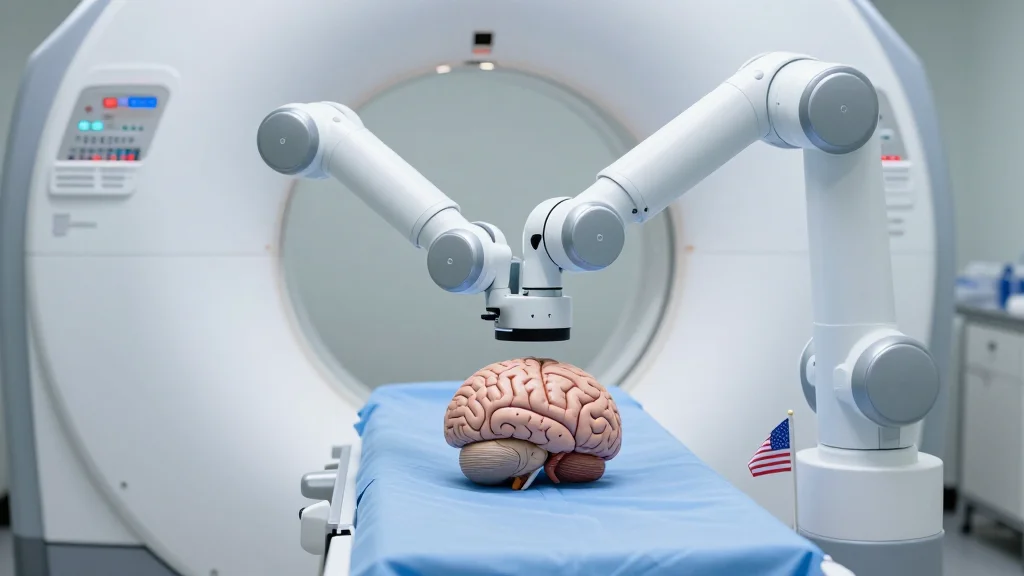
- •Navigated TMS uses MRI data and a robotic arm to target brain regions with high precision
- •Trial conducted at Laurel Ridge Treatment Center; control group received sham TMS
- •Findings published in JAMA Network Open; next steps include larger multi‑site trials and FDA clearance
Pulse Analysis
The navigated TMS trial arrives at a moment when the military health system is under pressure to modernize its mental‑health toolkit. Historically, PTSD treatment has relied on a binary model: medication or talk therapy. Both have well‑documented limitations, and the high attrition rates in exposure‑based therapies have spurred interest in adjunctive modalities. By integrating a hardware‑driven, image‑guided approach, UT Health San Antonio is effectively bridging the gap between neuroscience research and frontline care.
From a market perspective, the technology could catalyze a new segment within the neurostimulation industry. Companies that have focused on depression‑focused TMS may pivot to develop military‑grade, image‑guided systems, leveraging existing FDA pathways while tailoring protocols for trauma. The partnership with the Department of Defense and VA also suggests a potential bulk‑purchase model, which could drive down per‑treatment costs and accelerate economies of scale. However, widespread adoption will hinge on rigorous cost‑effectiveness analyses and clear reimbursement frameworks.
Looking ahead, the key challenge will be translating the controlled environment of a residential program into more scalable outpatient settings. If future studies confirm durability of benefits and identify optimal dosing regimens, navigated TMS could become a standard adjunct to evidence‑based psychotherapies, reshaping clinical guidelines for PTSD and possibly other trauma‑related disorders. The technology’s precision also raises ethical considerations around access and equity, especially for underserved veteran populations. Stakeholders will need to balance rapid deployment with safeguards to ensure that the promise of neuromodulation translates into real‑world improvements for those who have served.
Navigated TMS Cuts Combat PTSD Symptoms for 85% in Landmark Trial
Comments
Want to join the conversation?
Loading comments...