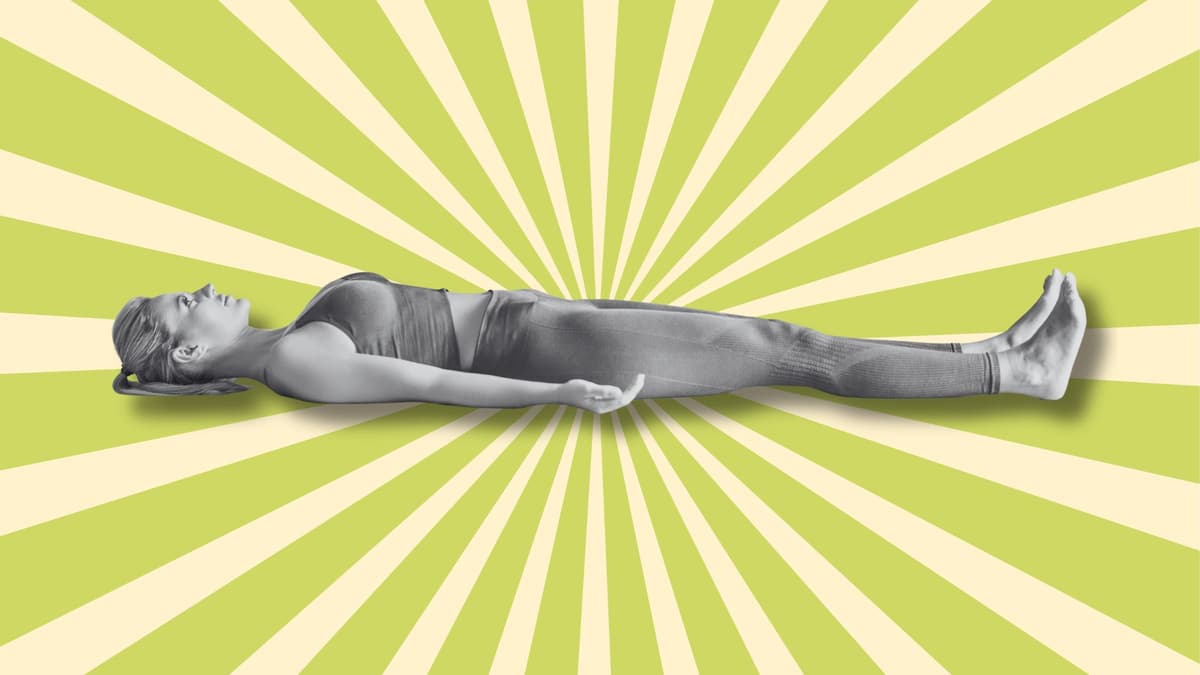
New Research Identifies 4 Exercises You Can Do On Your Back to Improve Posture and Balance
Why It Matters
The findings offer a low‑risk, time‑efficient solution for aging adults and anyone seeking to enhance core stability without gym equipment, addressing a growing demand for accessible wellness interventions.
Key Takeaways
- •Four lying‑down moves target core, glutes, heels, foot coordination
- •Ten‑minute daily routine boosted balance after two weeks
- •Study involved 40 participants across two small experiments
- •Experts advise 2‑5 sessions weekly to avoid overuse
Pulse Analysis
Posture and balance are foundational to everyday function, yet many adults struggle to maintain them as age‑related muscle loss and sedentary habits take hold. Traditional solutions—yoga, single‑leg squats, or weighted core work—often require equipment, space, or a baseline of strength that can deter consistent practice. By shifting the focus to supine movements, the new protocol removes the gravitational load that typically challenges the trunk and lower limbs, making it easier for beginners and those with limited mobility to engage in regular training.
The PLOS One study employed a concise, ten‑minute circuit performed once daily over a two‑week period. Researchers measured participants’ balance and agility during upright tasks before and after the intervention, observing statistically significant improvements despite the modest sample size of 40 volunteers. The lying position isolates core activation while allowing precise foot‑to‑ankle coordination, a combination that appears to translate into better trunk stability when standing. This mechanistic insight aligns with long‑standing physical‑therapy principles that emphasize segmental control before functional loading.
For the broader fitness and rehabilitation market, the implications are twofold. First, the regimen offers a scalable, equipment‑free option that can be integrated into home‑based wellness apps, senior‑center programs, and post‑injury protocols. Second, clinicians can prescribe the routine as a low‑intensity complement to more demanding strength work, reducing injury risk while still delivering measurable gains. As research expands to larger cohorts and longer durations, these supine exercises could become a staple in preventive health strategies, reinforcing the value of simple, evidence‑backed movements in a crowded digital‑exercise landscape.
New Research Identifies 4 Exercises You Can Do On Your Back to Improve Posture and Balance
Comments
Want to join the conversation?
Loading comments...