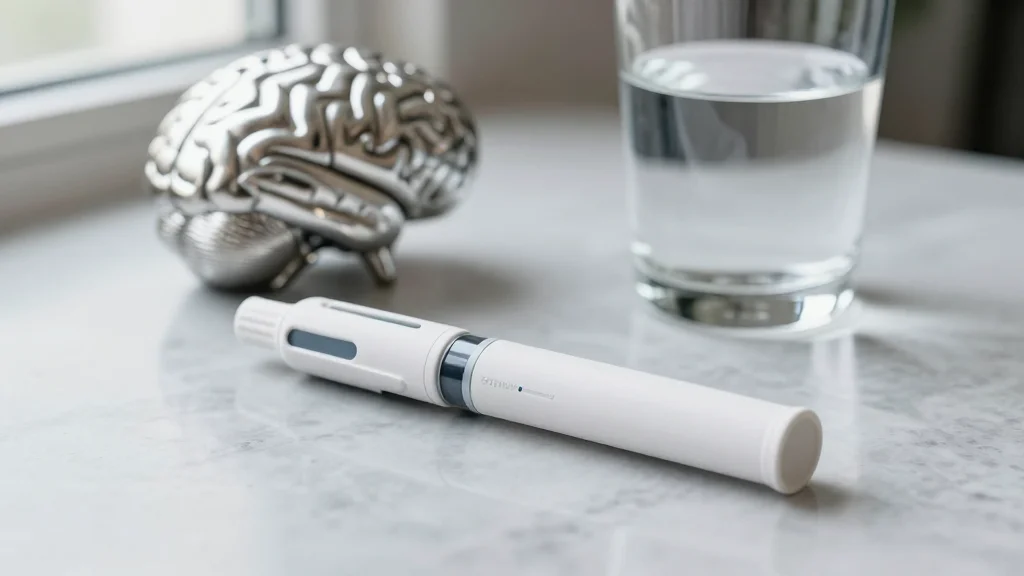
NIH Study Finds Weekly Semaglutide Cuts Heavy Drinking by 41% When Paired With CBT

Why It Matters
The NIH findings could redefine how the wellness industry approaches alcohol‑use disorder, a condition that accounts for millions of lost workdays and health‑care costs each year. By pairing a weight‑loss drug with behavioral therapy, the study bridges two traditionally separate wellness domains—metabolic health and mental health—offering a more holistic, data‑driven treatment model. If adopted widely, the approach may reduce reliance on less effective medications, lower relapse rates, and expand the role of wellness centers in delivering medically supervised addiction care. Moreover, the low NNT suggests that fewer patients need to be treated to achieve one additional success, translating into potential cost savings for insurers and employers. This could accelerate the integration of prescription‑grade GLP‑1 agents into corporate wellness programs, fitness clubs, and tele‑health platforms that already dispense CBT, thereby expanding access to a broader, often underserved population.
Key Takeaways
- •26‑week RCT showed weekly semaglutide + CBT cut heavy‑drinking days by 41.1%
- •Placebo group achieved a 27.4% reduction, making the GLP‑1 advantage 13.7 points
- •Number‑needed‑to‑treat (NNT) for semaglutide was 4.3, versus ≥7 for existing meds
- •Adverse events were limited to mild, transient gastrointestinal symptoms
- •Next trial will enroll 300 participants over 52 weeks to assess long‑term outcomes
Pulse Analysis
The semaglutide‑CBT combo arrives at a moment when the wellness sector is aggressively courting the addiction‑treatment market. Historically, wellness brands have offered CBT‑based programs, yoga, and nutrition counseling, but have shied away from pharmacotherapy due to regulatory hurdles. The NIH data provides a scientifically vetted bridge, allowing wellness providers to partner with medical clinics or leverage tele‑medicine platforms to prescribe GLP‑1 agents under physician oversight. This could catalyze a new hybrid model where a single subscription covers both medication delivery and behavioral coaching.
From a market perspective, the GLP‑1 class has already generated billions in sales for obesity and diabetes indications. Extending its use to alcohol‑use disorder opens a sizable, untapped revenue stream estimated at $5‑$7 billion annually in the U.S. alone. Companies that control the supply chain—pharma manufacturers, digital health platforms, and large‑scale wellness chains—stand to capture a disproportionate share of this emerging market. However, the pathway is not without friction: insurers may demand robust cost‑effectiveness data, and clinicians will need clear guidelines to identify patients who are most likely to benefit, such as those with concurrent obesity.
Looking ahead, the 2027 expansion trial will be a litmus test for scalability. Success could prompt the FDA to consider a dedicated indication for alcohol‑use disorder, prompting a wave of off‑label prescribing and potentially spurring competition from biosimilar GLP‑1 developers. Conversely, if safety signals emerge or efficacy wanes over longer periods, the wellness industry may retreat to non‑pharmacologic interventions, reinforcing the importance of the upcoming data. Either way, the NIH report has already shifted the conversation, positioning GLP‑1 agonists as a credible, evidence‑based tool in the broader wellness toolkit.
NIH Study Finds Weekly Semaglutide Cuts Heavy Drinking by 41% When Paired With CBT
Comments
Want to join the conversation?
Loading comments...