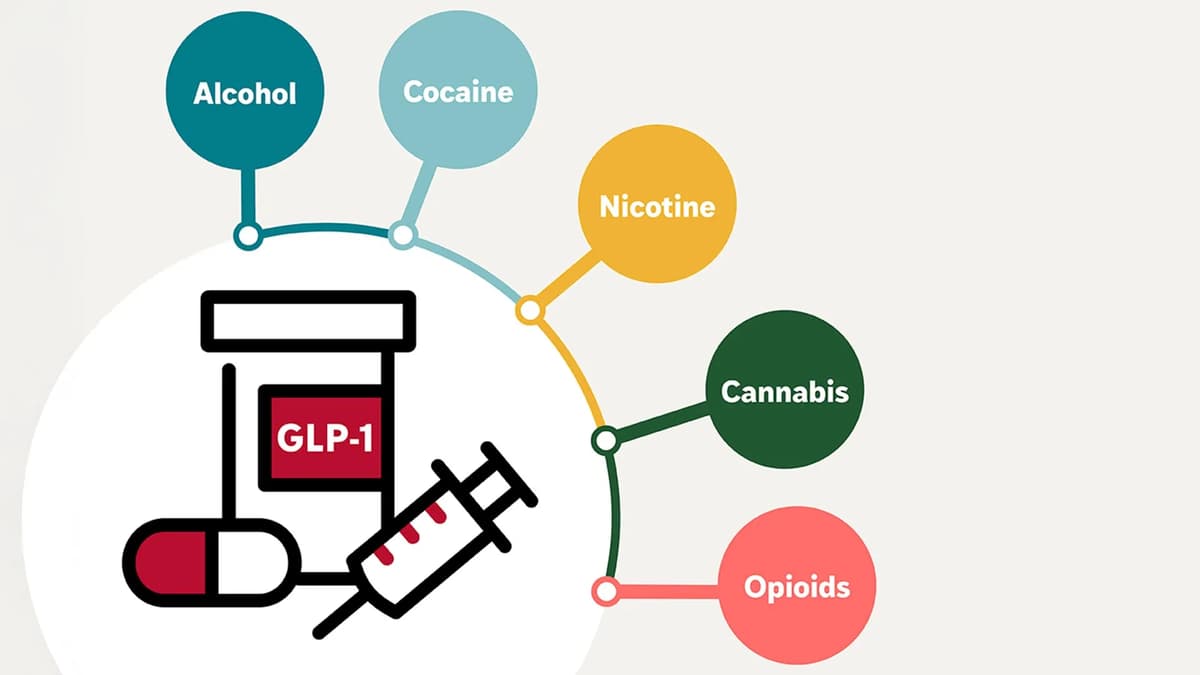
Popular GLP-1 Weight-Loss Drugs Linked to Lower Risks of Addiction and Overdose
Why It Matters
If confirmed, GLP‑1 therapies could become the first medication to address multiple addictions simultaneously, reshaping treatment paradigms and reducing overdose deaths nationwide.
Key Takeaways
- •GLP‑1 users 14% lower risk of new substance‑use disorder
- •Reductions: alcohol 18%, cannabis 14%, cocaine 20%, nicotine 20%, opioids 25%
- •GLP‑1 cut overdoses 40% and deaths 50% in SUD patients
- •Study of 606,000 veterans tracked outcomes for three years
- •Findings imply GLP‑1 targets craving, a common addiction pathway
Pulse Analysis
GLP‑1 receptor agonists such as semaglutide, liraglutide and dulaglutide have surged in popularity for diabetes management and dramatic weight loss. Beyond their metabolic effects, clinicians have observed patients reporting diminished interest in alcohol, cigarettes, and other substances. This anecdotal evidence prompted researchers to explore whether the drugs influence the neurobiology of craving, a hypothesis supported by the presence of GLP‑1 receptors in brain reward circuits. The convergence of metabolic and behavioral benefits positions GLP‑1 agents at the intersection of endocrinology and addiction medicine.
The Veterans Health Administration analysis examined electronic health records of more than 600,000 veterans over a three‑year period, comparing GLP‑1 users with peers on alternative diabetes drugs. Results showed a 14% relative reduction in new substance‑use disorder diagnoses, with consistent benefits across alcohol, cannabis, cocaine, nicotine and opioids. Among participants already battling addiction, GLP‑1 therapy cut emergency department visits by 30%, hospitalizations by 25%, overdoses by 40% and drug‑related deaths by half. These robust, cross‑substance effects suggest the medication may dampen the underlying craving signal rather than targeting individual substances.
The implications are far‑reaching. A single prescription could simultaneously address obesity, diabetes and multiple addictions, streamlining care for patients with complex comorbidities. Public‑health officials see a potential tool to curb the nation’s overdose crisis, while pharmaceutical firms anticipate new market opportunities and the need for dedicated clinical trials. As the evidence base expands, insurers and clinicians will weigh the cost‑effectiveness of repurposing GLP‑1 drugs as a universal addiction therapy, potentially reshaping treatment guidelines across the United States.
Popular GLP-1 weight-loss drugs linked to lower risks of addiction and overdose
Comments
Want to join the conversation?
Loading comments...