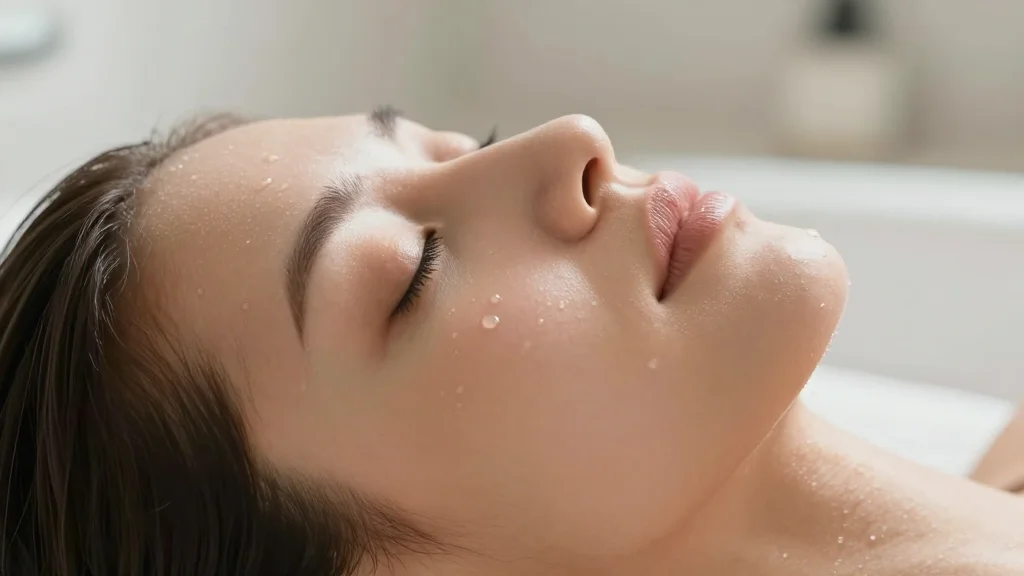
Shower Therapy Gains Attention as Simple Anxiety‑Relief Tool

Why It Matters
Shower therapy illustrates how everyday habits can be reframed as mental‑health interventions, expanding the toolkit available to individuals who may lack access to professional care. By highlighting a method that requires no special equipment beyond a standard bathroom, the discussion lowers barriers to entry and encourages broader public engagement with self‑care. Moreover, the attention from wellness writers may spur scientific inquiry, potentially validating a practice that could be incorporated into clinical recommendations. If validated, shower therapy could also shift consumer spending toward home‑environment products that support mental well‑being, prompting manufacturers to innovate around temperature precision and user experience. This convergence of health behavior and product design underscores the growing commercial relevance of mental‑health‑focused lifestyle solutions.
Key Takeaways
- •Fomat Medical highlights shower therapy as an evidence‑based anxiety‑relief method.
- •Cold showers may trigger a brief sympathetic surge followed by calming parasympathetic activity.
- •Warm showers can relax muscle tension and improve circulation, easing physical anxiety symptoms.
- •The practice is positioned as a low‑cost complement to traditional treatments and other self‑care techniques.
- •Potential market impact includes increased demand for temperature‑controlled shower hardware and wellness app integrations.
Pulse Analysis
The emergence of shower therapy in wellness coverage reflects a broader shift toward democratizing mental‑health care. Historically, anxiety management has relied on medication, psychotherapy, or structured programs like CBT. The current narrative pivots to everyday actions that can be immediately implemented, signaling a consumer desire for agency and simplicity. This trend aligns with the rise of 'micro‑interventions'—brief, targeted practices that fit into daily routines without requiring extensive training.
From a market perspective, the focus on temperature‑based self‑care creates a niche for hardware manufacturers. Companies that previously marketed smart showers for luxury or energy efficiency now have a new selling point: mental‑health benefit. Early adopters may leverage data from wearable devices to personalize shower settings, turning a routine into a data‑driven therapeutic session. However, the lack of rigorous clinical evidence means that any commercial claims must be carefully framed to avoid regulatory pushback.
Looking ahead, the key question is whether academic research will substantiate the physiological pathways suggested by wellness writers. If randomized trials confirm measurable reductions in cortisol or heart‑rate variability, shower therapy could transition from a wellness anecdote to a clinically endorsed adjunct. Until then, its value lies in offering an accessible, low‑risk option that empowers individuals to experiment with self‑care, while prompting the industry to explore how ordinary fixtures can support mental health.
Shower Therapy Gains Attention as Simple Anxiety‑Relief Tool
Comments
Want to join the conversation?
Loading comments...