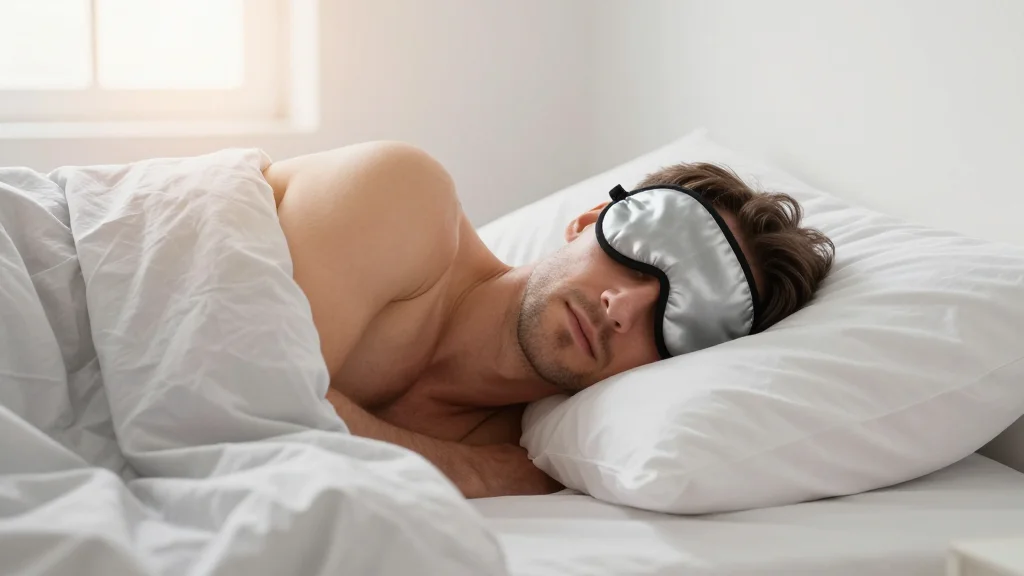
Sleep Quality Beats Exercise in Shielding Workers From Stress, Study Finds

Why It Matters
The study reframes the conversation around employee wellness by highlighting sleep as a critical, yet often overlooked, lever for health protection. As organizations grapple with rising burnout rates and associated healthcare costs, shifting resources toward sleep‑focused policies could yield measurable returns in productivity and reduced absenteeism. Moreover, the nuanced findings on alcohol use underscore the need for personalized wellness approaches rather than one‑size‑fits‑all prescriptions. For policymakers, the research adds weight to calls for regulations that limit after‑hours communications and enforce reasonable work hours, recognizing that structural job design and personal habits together shape health outcomes. By quantifying the protective power of sleep, the study provides a data‑driven foundation for both corporate and public‑sector strategies aimed at curbing the long‑term health burden of work stress.
Key Takeaways
- •Study analyzed 10 years of data from 2,871 Canadian workers.
- •High‑quality sleep was the strongest buffer against work‑stress health impacts.
- •Exercise improved overall health but did not specifically mitigate stress effects.
- •Nutrition also showed a meaningful stress‑buffering effect.
- •Lower alcohol use correlated with better health overall, yet high‑stress low‑drinkers fared worse.
Pulse Analysis
The discovery that sleep quality eclipses exercise in protecting workers from stress‑related health decline signals a paradigm shift for the wellness industry. Historically, corporate wellness budgets have funneled the majority of funds into fitness facilities, group classes, and step‑count challenges, operating under the assumption that physical activity is the primary antidote to workplace strain. This study forces a reevaluation of that allocation, suggesting that a more balanced portfolio—one that invests in sleep education, flexible work arrangements, and nutrition support—could deliver higher ROI.
From a market perspective, vendors offering sleep‑tracking technology, circadian‑aligned lighting, and on‑site nap pods are poised to benefit from renewed corporate interest. Simultaneously, traditional fitness providers may need to augment their offerings with stress‑specific programming, such as mindfulness‑guided recovery sessions that complement physical training. The nuanced alcohol findings also hint at a potential niche for responsible‑drinking initiatives that address stress coping mechanisms without stigmatizing moderate consumption.
Looking forward, the next wave of research should test whether integrating sleep‑focused interventions with existing wellness frameworks produces synergistic effects. If companies can demonstrate that modest investments in sleep hygiene translate into lower healthcare claims and higher employee engagement, the industry could see a rapid pivot toward holistic, evidence‑based wellness models that prioritize restorative rest as much as cardio minutes.
Sleep Quality Beats Exercise in Shielding Workers from Stress, Study Finds
Comments
Want to join the conversation?
Loading comments...