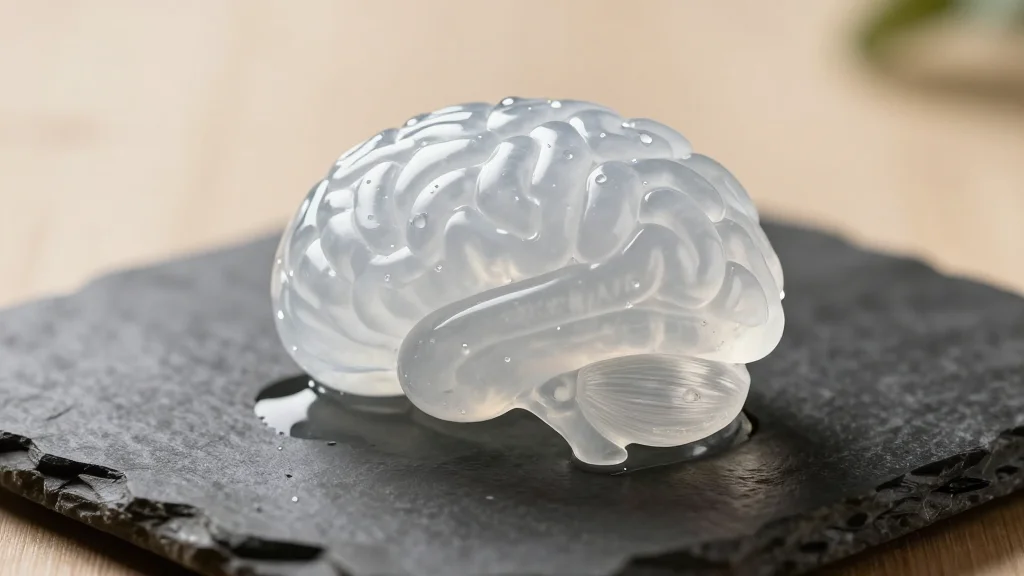
Stress Disrupts Brain's Learning Integration, New Study Shows

Why It Matters
Understanding that acute stress selectively disrupts memory integration reshapes how educators, employers, and clinicians approach performance under pressure. In education, curricula may need to incorporate stress‑reduction breaks before tasks that require synthesis of information, such as essay writing or problem‑solving. In mental health, the study provides a mechanistic link between stress hormones and the cognitive symptoms of anxiety and psychosis, suggesting that therapies targeting hippocampal resilience could improve patients' ability to construct coherent narratives. Moreover, the research adds a concrete neural explanation to the everyday experience of "blanking out" during stressful moments, reinforcing the importance of proactive stress‑management strategies. For the broader wellness industry, the findings validate the market for interventions—mindfulness apps, biofeedback devices, and workplace wellness programs—that aim to lower cortisol spikes before critical learning or decision‑making events. Companies that can demonstrate measurable reductions in stress‑induced hippocampal disruption may gain a competitive edge, as both individuals and institutions seek evidence‑based tools to protect cognitive performance.
Key Takeaways
- •Acute stress reduces hippocampal activity during memory integration tasks.
- •Participants exposed to the Trier Social Stress Test failed to infer indirect A‑C links.
- •Direct recall of learned pairs (A‑B, B‑C) remained unchanged across stressed and control groups.
- •Study published in Science Advances by researchers from the University of Hamburg.
- •Findings suggest stress‑management techniques could preserve cognitive integration in high‑pressure settings.
Pulse Analysis
The Hamburg study arrives at a moment when the wellness sector is increasingly quantifying the cognitive costs of stress. While mindfulness and meditation apps have long claimed to boost focus, few have offered a neurobiological explanation for how stress interferes with higher‑order learning. By isolating the hippocampal integration pathway, Schüren and Schwabe provide a targetable mechanism that could be leveraged by both pharmaceutical developers and digital health platforms. Future products might incorporate real‑time cortisol monitoring—via wearable sensors—to trigger personalized interventions before a learning session, aligning physiological data with cognitive outcomes.
Historically, stress research has focused on memory consolidation, showing that cortisol can enhance the encoding of emotionally salient events while impairing retrieval of older memories. This new evidence expands the narrative, indicating that the brain's ability to synthesize new information across episodes is uniquely vulnerable. Companies that previously marketed stress relief as a way to "improve memory" may need to refine their messaging to emphasize integration and inference, which are critical for problem‑solving and creativity. As organizations adopt data‑driven wellness programs, the study's methodology—combining behavioral testing with fMRI—sets a benchmark for rigor that could become a standard for evaluating the efficacy of stress‑reduction interventions.
Looking ahead, the intersection of neuroimaging, wearable tech, and behavioral science could produce a feedback loop where stress‑induced integration deficits are detected early, and adaptive interventions are deployed in real time. Such a paradigm shift would move wellness from a reactive to a proactive discipline, aligning corporate performance goals with employee cognitive health. The Hamburg findings thus not only illuminate a specific neural disruption but also chart a roadmap for the next generation of evidence‑based wellness solutions.
Stress Disrupts Brain's Learning Integration, New Study Shows
Comments
Want to join the conversation?
Loading comments...