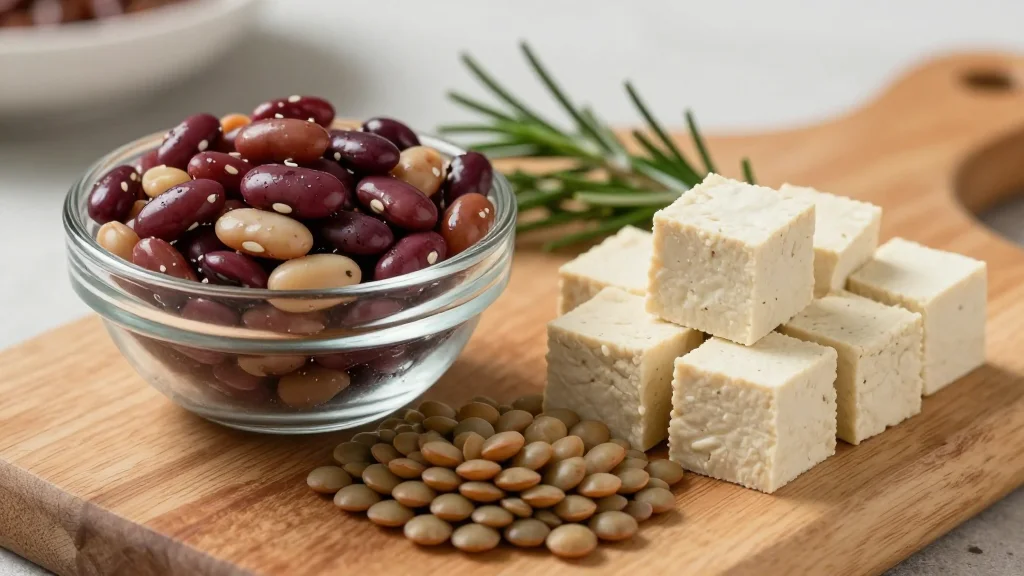
Study Finds Beans, Lentils and Tofu Cut Hypertension Risk by Up to 19%

Why It Matters
Hypertension is a silent driver of cardiovascular disease, and dietary interventions are among the most scalable tools for prevention. By pinpointing beans, lentils and tofu as effective protein sources, the study gives both clinicians and the public a concrete, low‑cost strategy to curb blood‑pressure spikes. The findings also reinforce the broader shift toward plant‑forward eating, supporting policy initiatives that aim to reduce reliance on processed animal proteins. Beyond individual health, the research could influence food industry trends, encouraging manufacturers to develop more accessible, ready‑to‑eat legume and soy products. If adoption grows, the cumulative effect could lower national healthcare costs linked to hypertension‑related complications.
Key Takeaways
- •Study of 2,200+ adults over ~10 years links high bean, lentil and tofu intake to 19% lower hypertension risk
- •Overall plant‑protein consumption associated with a 24% reduction in high‑blood‑pressure incidence
- •Benefit strongest when plant proteins replace processed animal proteins, not when added alongside them
- •American Heart Association recommends whole‑food plant proteins for balanced diets
- •Researchers suggest substituting one animal protein serving daily with beans, lentils or tofu
Pulse Analysis
The new evidence arrives at a moment when the wellness market is saturated with vague "plant‑based" messaging. By delivering a specific, risk‑quantified benefit, the study differentiates beans, lentils and tofu from broader categories like "vegetables" or "whole grains." This granularity is likely to drive targeted product development, from pre‑cooked legume mixes to tofu‑based snack lines, as brands seek to claim measurable health outcomes.
Historically, hypertension guidelines have emphasized sodium reduction and weight control. The current data adds a third pillar—protein source quality—suggesting that dietary recommendations can evolve from macronutrient ratios to food‑type specificity. If insurers begin to reimburse for plant‑protein‑rich meals, we could see a ripple effect across corporate wellness programs, school cafeterias and even Medicare nutrition counseling.
Looking ahead, the study's next steps—expanding age ranges and testing fortified products—will be crucial. Should future trials confirm that the risk reduction translates into fewer heart attacks and strokes, policymakers may incorporate bean‑ and soy‑centric targets into national dietary standards. For now, the actionable insight is clear: swapping a single animal protein serving for a plant alternative each day offers a measurable path to lower blood‑pressure risk, a message that aligns well with both public‑health goals and consumer appetite for simple, evidence‑backed wellness changes.
Study Finds Beans, Lentils and Tofu Cut Hypertension Risk by Up to 19%
Comments
Want to join the conversation?
Loading comments...